
Commercial Model Categories: A Casting Guide for Brands

Commercial modeling is the work of putting a believable human face, body or gesture behind a product, a service or an idea. The main categories are catalog and e-commerce, lifestyle, advertising and TV, fitness and active, parts, mature and family, plus-size and petite, and promotional or event work. Fit modeling sits next to them as a technical specialty. Each category answers a different question for a brand, so the right booking starts with the question you need answered.
This guide is written for the person doing the booking: the brand manager, creative director, producer or activation lead who has a brief and needs to know which kind of talent it calls for.
TL;DR
- Commercial models sell products and services through relatable, versatile looks, while fashion models (runway, editorial, high fashion) sell a designer’s vision.
- The core commercial categories are catalog, lifestyle, advertising, fitness, parts, mature and family, plus-size and petite, and promotional.
- Fit models are a technical category: they test garments for designers and pattern cutters, and their measurements are set by each client’s sample size.
- Choose the category from the job the image must do, then write the brief around it. A clear brief shortens casting.
- ANT books talent for shoots, events and shows anywhere in the world, from a managed shortlist or through the ANT Talent App.
Table of Contents
- What a commercial model actually does
- The main commercial model categories
- Where commercial modeling sits among fashion model types
- Fit models: what they do, and who needs one
- How to choose the right category for your brief
- Our perspective
- Booking commercial talent through ANT
- FAQ
- Sources
- Book your talent
What a commercial model actually does
A commercial model creates marketing material for a product or service. According to a fashion school’s overview of the two disciplines, that material includes magazines, billboards, catalogs, brochures, websites and television commercials. The common thread is that the viewer should see themselves, or someone they know, in the frame.
That is the practical difference from fashion modeling. A runway or editorial model is cast for a precise physical template and a strong artistic presence. A commercial model is cast for range: expression, ease on camera, the ability to hold a believable moment of drinking coffee, opening a laptop or laughing across a dinner table. Height and size requirements loosen, and age, ethnicity and body type widen with them.
For a brand, this widening is the point. A campaign aimed at families, retirees, athletes or office workers needs faces that match those audiences. The category you choose is really a decision about whom your customer will recognize.
The main commercial model categories
The labels below are industry shorthand, and agencies draw the borders slightly differently. Treat them as a vocabulary for your brief rather than rigid boxes. Many working models cross two or three.
Catalog and e-commerce models
Catalog work is the engine room of retail imagery: product pages, lookbooks, brochures and marketplace listings. The brief is clarity. The garment must be shown accurately, from the front, the side and the back, in clean light, repeatedly and quickly.
The ideal catalog model is consistent, fast and comfortable in a long shoot day with many outfit changes. Expression is friendly and neutral rather than dramatic. If your shoot involves dozens of looks, ask for talent with proven stamina and a feel for posing that shows fabric and fit. A well-organized brief makes a measurable difference here, which is why we built a one-page model brief template for marketers.
Lifestyle models
Lifestyle imagery places a product inside a life: a family breakfast, a weekend road trip, a skincare routine, a coworking space. Poses are unposed by design. The model acts, interacts and often shares the frame with other talent.
This category rewards natural acting ability and chemistry. For brands in food, travel, hospitality, finance, home and technology, lifestyle is usually the most versatile category, because the same shoot can feed social, web, out-of-home and print.
Advertising and TV commercial models
Advertising models appear in campaigns across billboards, print and video. Here, the work often overlaps with acting: delivering a line, reacting to a product, holding a performance across multiple takes. Casting leans on on-camera presence and the ability to take direction.
Celebrity and fashion names can also cross into commercial work. Coca-Cola’s own media center describes its Diet Coke campaign with Kate Moss, which returned for a second season and reinterpreted earlier Diet Coke Break advertising. It shows how a fashion figure can anchor a mainstream commercial message, and why the line between the categories is porous.
Fitness and active models
Fitness models bring athletic bodies and credible movement to sportswear, supplements, gyms, wellness and equipment campaigns. The skill is not only physique but technique: a believable squat, a convincing stride, a safe and correct form.

If your brief calls for real sporting credibility rather than a gym-ready look, consider sports talent as a separate booking: athletes bring authentic movement that an ordinary model cannot imitate.
Parts models
Parts models are booked for one feature: hands, feet, hair, lips, eyes, legs or teeth. They appear in jewelry, nail, watch, shoe, cosmetic and food close-ups. What matters is the condition and shape of that body part, along with steadiness and patience for repeated takes.
Book parts talent when the product is the hero and the face would distract. A watch campaign, for example, may cast a face for the wider story and a hand model for the product macro.
Mature, family and timeless models
Brands that speak to older customers or multigenerational households need faces that carry authority, warmth and lived experience. This is among the fastest-growing needs in advertising, because the audience is large and chronically underrepresented.
For refined mature casting, our female timeless models and male timeless models pages are the place to start. Family casting, including children and teens, is its own discipline, with extra attention to guardians, schedules and on-set welfare.
Plus-size and petite models
These are commercial categories defined by size rather than a different type of work. Retailers use them to show how a garment truly fits across their customer base. Plus-size casting is now routine for apparel, intimates, swimwear and wellness. If your range extends beyond standard sample sizes, you can review plus-size models arriving in Dubai alongside the standard roster.
Promotional, hostess and event models
Promotional models work live: product sampling, brand ambassadorship, launch events, conferences and exhibitions. The skills are communication, stamina, languages and a professional manner with the public.
At a trade show, the people on the stand are part of the design. A stand built well, such as the ones produced by specialists in exhibition booth design, gives hosts and promoters a clear stage to work from, and the staffing brief should be written alongside the stand concept rather than after it. ANT books hostesses, promoters and event staff for events and shows anywhere in the world.
Modest fashion and culturally specific casting
Some markets require a casting approach that respects dress codes and audience expectations. In the GCC, this is a daily consideration for retail, hospitality and beauty campaigns. We cover it in detail in our guide to modest fashion models and a modesty charter.
Where commercial modeling sits among fashion model types
When readers search for fashion model types, they usually want a map. This table gives one, framed for the person who books.
| Category | Typical use | What the brief prioritizes | Size and look flexibility |
|---|---|---|---|
| Runway | Shows, presentations | Walk, posture, consistency of proportions | Narrow, set by designer |
| Editorial | Magazines, creative stories | Artistic expression, distinct features | Moderate, often distinctive |
| High fashion and campaign | Luxury and designer imagery | Aura, name value, strong look | Narrow |
| Commercial (catalog, lifestyle, advertising) | Retail, consumer brands, services | Relatability, acting, versatility | Wide |
| Fit | Garment development | Stable measurements, feedback | Narrow, per client |
| Showroom | Buyer presentations | Sample-size accuracy, presentation | Narrow, per collection |
| Parts | Product close-ups | One standout feature | Specific to the body part |
| Promotional | Events, activations | People skills, stamina | Wide |
If you are planning a catwalk presentation rather than an advertising shoot, the staffing and casting conversation changes. Our notes on runway show staffing and runway casting cover that side.
Fit models: what they do, and who needs one
Fit modeling is technical rather than visual, so it is often missing from lists of commercial categories, yet brands that manufacture clothing depend on it.
What does a fit model do?
A fit model wears garments so that designers, pattern cutters and garment technologists can assess cut and proportion and spot problems such as shallow pockets or tight armholes, as Business of Fashion explains. The model is a living form that can say how the garment feels and moves, which a mannequin cannot.

The pace depends on the client. The same article reports one fit model working for Zara, Burberry and Dunhill, from rapid high-street trouser fittings to months on a single high-end piece.
Fit model requirements
There is no universal fit-model measurement. Requirements follow the client’s sample size. A 2024 Fashion Nova fit-model posting asked for a height of 5’6" to 5’7", a 35-inch bust, a 27-inch waist, a 39-inch hip and a 22-inch thigh. A 2026 fit-model listing from On asked applicants to match specific sample-size measurements, keep a consistent figure, attend in-person fittings in the Zurich region and test performance garments in motion, including treadmill running.
For a menswear example, Business of Fashion describes a fit model who stood 6’1" with a 40-inch chest and a 32-inch waist, which represented an average medium for that client.
The lesson for a booking: send your technical measurements with the brief, including the size you grade from, and say whether movement testing is part of the job.
Fit model vs fashion model
A fashion model is booked for how a garment looks in an image. A fit model is booked for how it behaves on a body. Fashion models are valued for presence and expression, fit models for consistency and precise feedback. A fit model’s measurements must stay stable across seasons so that a block does not drift, while a fashion model’s measurements matter mainly at the point of casting.
Fit model vs showroom model
A showroom model wears finished or near-finished samples for buyers and press, usually at a fixed sample size, so that the collection looks its best when presented. A fit model works earlier, in development, when the garment is still being corrected. In short, the showroom model presents the result and the fit model shapes it. Some talent does both when their measurements match the house sample size.

How to choose the right category for your brief
Start from the job the image has to do, not from a look you have in mind.
- Define the outcome. Is the image there to show a product accurately (catalog), build a feeling (lifestyle), deliver a message (advertising), or make a physical detail irresistible (parts)?
- Name the audience. The talent should resemble the people you want to reach, in age, background and attitude.
- Set the usage. Social-only, regional print, national television and global out-of-home all carry different usage terms, and talent costs follow them. Say so in the brief.
- List the technical needs. Measurements, skills, languages, swimwear or nudity limits, driving, sports ability or acting lines.
- Confirm logistics. Dates, location, call time, overtime expectations and travel.
One point on terms: on ANT’s booking page, overtime is charged at 15% per hour, and cancellations within 48 hours carry a 50% fee, within 24 hours 100%. Planning a realistic day with a buffer avoids both.
Our perspective
Commercial modeling is often described as the practical cousin of high fashion. We see it differently. A good commercial shoot is choreography: a face, a gesture and a product meeting in a single frame with enough rhythm that a stranger stops scrolling.
That is why we treat category as a creative decision, not a filing label. The same brand may need a catalog specialist on Monday, a lifestyle ensemble with children on Wednesday, a stunt performer for a launch film on Friday and a team of hostesses for the event that follows. Running those through separate suppliers multiplies emails, contracts and risk.
ANT was built as one licensed agency in Dubai for everything in front of and behind the camera: models, kids, actors, influencers, athletes, stunt performers, hostesses, promoters and production crew. Send a brief and we aim to return a shortlist of available talent within an hour in working hours. We send talent to shoots, events and shows anywhere in the world, with our base in Dubai and the GCC.
The best briefs we receive describe the audience and the job in plain words. Everything else, from measurements to mood, follows from there.
ANT
Booking commercial talent through ANT
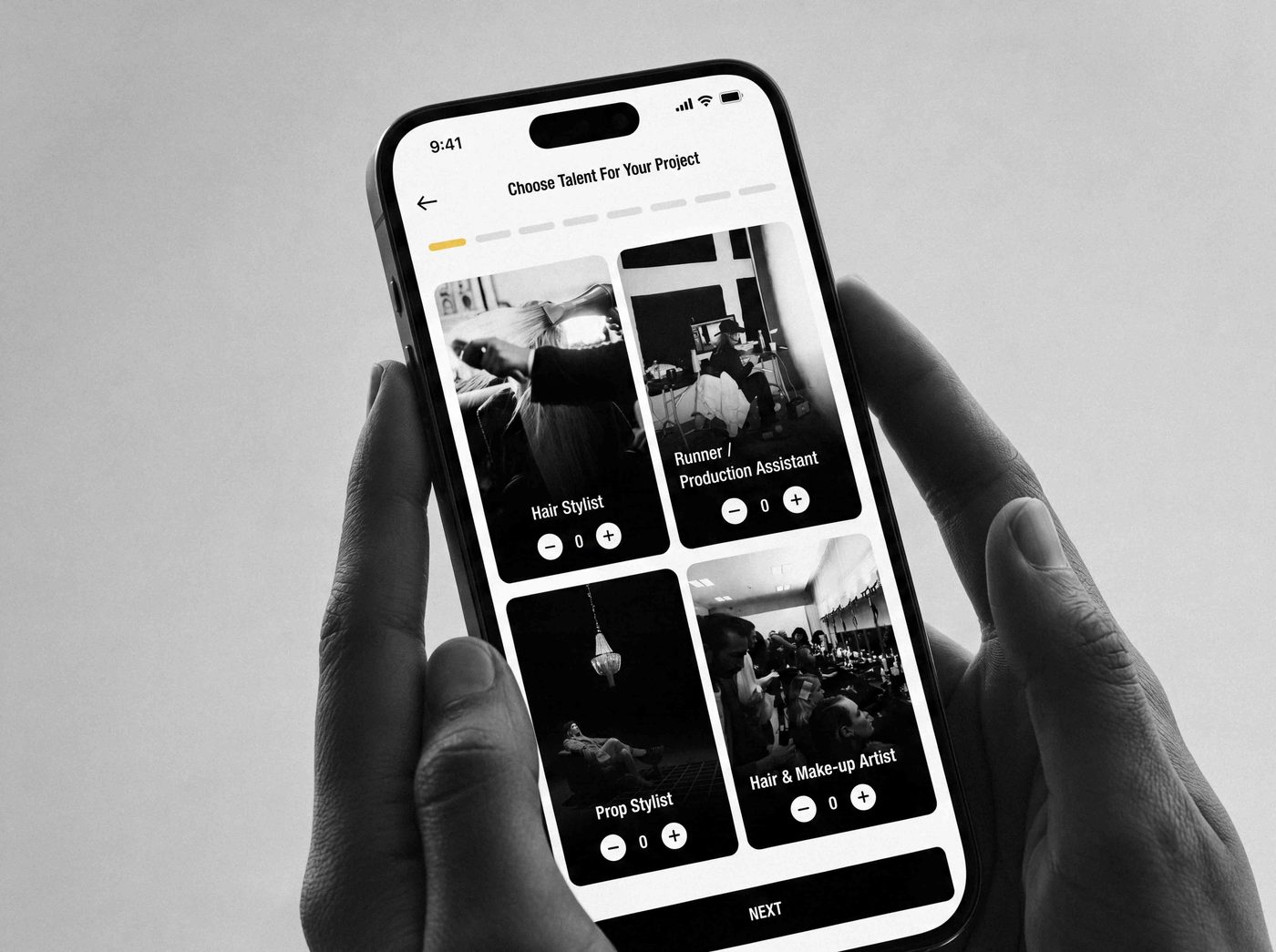
Whether the brief is a catalog week, a lifestyle campaign or a three-day exhibition, you can book in two ways. Send the brief to our team and receive a shortlist from a managed service, or post the job on the ANT Talent App and book vetted talent directly, with verified profiles and escrow-protected payment processed by Stripe. The app covers the UAE, Kuwait, Qatar and Saudi Arabia. Current prices are shown in the app.
For a wider look at what is available, see our model booking service, or browse talent booking, influencer marketing and stunt performers when the brief goes beyond models.
FAQ
What is a commercial model?
A commercial model appears in marketing material for products and services, such as magazines, billboards, catalogs, websites and television commercials. The look is relatable and versatile rather than tied to a narrow fashion template. Acting ability and ease on camera often matter as much as appearance.
What are examples of commercial modeling?
Typical examples include e-commerce product pages, a lifestyle campaign for a hotel or bank, a television commercial for a beverage, a fitness campaign for sportswear and a hand model in a watch ad. Trade-show hosting and product sampling are the live-event counterparts.
Is a fit model the same as a fashion model?
No. A fit model helps designers and pattern cutters refine the cut and proportions of garments during development. A fashion model is booked for how clothing looks in imagery or on a runway. Fit models are valued for stable measurements and precise feedback.
How do I know which category to book?
Work backward from the job. If the image must show product detail, book catalog. If it must tell a story about daily life, book lifestyle. If it must present a single feature, book parts. A short brief covering audience, usage and measurements lets us shortlist accurately.
Can ANT book commercial talent outside the UAE?
Yes. ANT books talent for shoots, events and shows anywhere in the world, and the ANT Talent App covers the UAE, Kuwait, Qatar and Saudi Arabia.
Sources
- Commercial vs. Fashion Modeling, The Miami School of Fashion & Design
- Diet Coke by Kate Moss, Coca-Cola media center
- What It’s Really Like Being a Fit Model, Business of Fashion
- Fit Model, Fashion Nova job posting
- On Fit Model job listing, Business of Fashion
- Exhibition booth design
Book your talent
Two ways to book: send a booking request to ANT Management, or post a job on the ANT Talent App and book vetted models, actors, influencers and creatives in Dubai in minutes, with escrow-protected payment. Clients who prefer a managed service can also write to info@antmgmt.com.
Recommended
Planning a shoot in Dubai?
Prefer to book on your phone?
Post a job on the ANT Talent App and let approved talent come to you.
- Every profile approved by ANT
- Chat with talent in the app
- Payment held until the job is done

Free on iPhone
- 5.0on Google, 200+ reviews
- Since 2022modelling and talent agency
- Worldwideshoots, events and shows anywhere
- Licensed in Dubai. See our licence and booking terms