
GCC Cultural Considerations: 5 Trust Rules Before a Shoot

To work well across the GCC, six states bound by shared Arab and Islamic traditions, put relationships first, accept hospitality graciously, dress with modesty, and plan around prayer times and Ramadan. Ask before you photograph anyone. Arabic coffee, honored by UNESCO as a gesture of generosity, shows the spirit of the region. Our team at ANT MANAGEMENT briefs talent on all of it.
TL;DR:
- Seek a mutual introduction, greet the eldest or most senior person first, and leave extra time for meetings because decisions follow relationships, not agendas.
- Coffee is served in small cups, with the oldest guest first; accept graciously, use your right hand, and gently jiggle the cup when finished.
- During Ramadan, avoid eating, drinking, smoking, or chewing gum in public during daylight; check shorter business hours and schedule meetings around prayer times.
- Get signed consent before filming identifiable people, check posting and site rules, and secure permits; Qatar warns that unauthorized photography can bring fines or imprisonment.
Table of Contents
- How do you build trust and rapport in the GCC?
- What should you know about Arabic coffee and hospitality?
- How do Ramadan and prayer times affect business?
- What should you wear for meetings and public spaces?
- How should you handle greetings, meetings and time?
- What are the norms for cross-gender interactions?
- What are the rules on photography, filming and privacy?
- What should you confirm and pack before a GCC visit?
- Why cultural fluency is part of the creative brief
- Work with a team that already knows the terrain
- FAQ
- Sources
How do you build trust and rapport in the GCC?
The Gulf Cooperation Council groups six member states: Bahrain, Kuwait, Oman, Qatar, Saudi Arabia and the United Arab Emirates. They are distinct countries, yet they share foundational cultural and social identities. Business here moves at the speed of trust, so rapport is the first deliverable, not a courtesy before the real work.
- Seek an introduction through a mutual contact. A warm referral opens doors that a cold email rarely will.
- Favor face-to-face meetings, since personal relationships carry real weight in Gulf commerce.
- Open with unhurried small talk: your journey, your host’s city, family in general terms, your impressions of the country.
- Defer to seniority. Greet the eldest or most senior person first and let decision-makers set the pace.
- Expect decisions to take longer, because they follow the relationship rather than the agenda.
If you are weighing audience insight before entering a Gulf market, a local research firm can sharpen your read of the room.
What should you know about Arabic coffee and hospitality?

Hospitality in the Gulf is a ritual, and the clearest expression of it is Arabic coffee. UNESCO inscribed the preparation and serving of Arabic coffee as intangible cultural heritage, recognizing it as an expression of hospitality and generosity across several GCC states.
Oman’s national inventories describe the choreography: coffee arrives in small cups, the oldest guest is served first, and a guest who wants no more gently jiggles the cup to signal it.
- Accept the first cup. If you decline, do so politely and with appreciation for the host’s offer.
- Use your right hand for cups, cards and gifts.
- Gifts are welcome, but avoid alcohol-based perfumes and anything related to pork.
Pro Tip: On set, assign one crew member to manage refreshments and hosting, and brief talent in advance on how to accept and decline offers politely.
How do Ramadan and prayer times affect business?
Faith shapes the working day. During Ramadan business activity typically slows and many companies shorten their hours, so schedule important meetings well outside the month or in the late morning.
- Do not eat, drink, smoke or chew gum in public during daylight hours in Ramadan.
- Build meetings around prayer times, and check whether local shops or offices adjust their hours.
- Check opening hours before you travel, and follow local dress codes.
- Keep your tone respectful at all times: in Kuwait, insulting or humiliating a person in public can lead to arrest or prosecution.
Official warning: GOV.UK’s Kuwait advice states that public eating or drinking during Ramadan is not permitted, so plan hospitality for crews and talent behind closed doors.
For campaign planning in the holy month, see our guide to Ramadan brand activations.
What should you wear for meetings and public spaces?
Favor conservative business clothing, taking local expectations into account. Regional business overviews note that knowledge of Islam and Gulf heritage signals respect, and your wardrobe is the first signal you send.
- Pack long sleeves and trousers or full-length skirts for meetings.
- Carry a light scarf for women, useful in conservative settings.
- Check local dress expectations for government buildings before you go.
- Avoid showing the soles of your shoes when seated.
- For on-camera work, agree wardrobe in advance and set clear modesty boundaries with talent.
Our approach to this is laid out in our piece on modest fashion models and a modesty charter, which we use when curating wardrobe for regional shoots.
How should you handle greetings, meetings and time?
Gulf communication prizes respect, generosity and politeness, and personal questions and gestures often serve as rapport-building rather than intrusion. English is widely used in business, yet a few Arabic phrases land well.
- Greet with “Assalamu alaikum” and greet the eldest first, as UAE business guidance advises. Offer your right hand for cards.
- Wait for cues before shaking hands across genders. Intercultural guidance for Saudi Arabia encourages adjusting your own behavior to complement local expectations.
- Listen for indirect answers. A soft “we will see” may be a polite no, and saving face matters more than winning a point.
- Stay calm when phones ring or guests walk in. Interruptions are normal, not disrespectful.
- Confirm meetings a few days ahead, expect them to run long, and leave room for follow-up.
What are the norms for cross-gender interactions?
In cross-gender interactions, let the other person lead on physical contact. Wait for a cue before offering a handshake, a point British Council guidance makes about working in the kingdom.
- Greet with a nod and a hand on the heart if no hand is offered.
- Women should prepare modest attire and carry a scarf, then take their lead from the host’s setting.
- Avoid asking about female relatives; keep family questions general.
- Accept compliments with a simple thank-you rather than deflecting at length.
- In conservative settings, a senior colleague’s introduction can open the conversation smoothly.
What are the rules on photography, filming and privacy?
Treat every lens as a question of consent. Qatar’s official travel guidance warns that photographing people without consent can lead to fines or imprisonment in some cases, and that privacy and public-behavior laws are strict. Check local rules before filming at religious, military or government sites.
- Obtain signed consent forms from talent and extras.
- Check social-media posting rules before publishing anything with identifiable people.
- Designate a cultural liaison for every shoot.
Pro Tip: Prepare a permit checklist before arrival and brief the whole crew on local dos and don’ts at the call-sheet stage.
What should you confirm and pack before a GCC visit?
Use this list before departure and again on the morning of the meeting or shoot.
- Reconfirm logistics with your local contact, including time, venue and who will attend.
- Check local prayer times and holiday dates, including Ramadan and Eid, since market guides advise verifying the local workweek and Ramadan timing.
- Pack conservative wardrobe, including a scarf, long sleeves and closed shoes.
- Bring business cards printed in English and Arabic, and save local contact numbers offline.
- Prepare consent forms and location permits, and carry copies.
- Give talent and crew a short cultural briefing covering greetings, hospitality and photography.
- Plan buffer time, because a hospitable meeting rarely ends on the dot.
Why cultural fluency is part of the creative brief
A shoot succeeds when the people on it feel at ease. In our experience, the cultural briefing is not an add-on to the creative direction; it is the quiet structure that lets the creative breathe. We brief talent and crews before they travel, curate wardrobe with modesty in mind, shift schedules around Ramadan, and agree photography consent protocols before a single frame is made. Details of our work are available through our booking and casting teams.
— ANT
Work with a team that already knows the terrain
When a campaign or event touches the GCC, we handle the cultural preparation alongside the casting: selecting and briefing talent, coordinating crews, and advising on wardrobe, scheduling and consent. Whether you need models, creatives or a full production crew, our team can brief everyone before they land. Explore our talent booking or contact us through our homepage to plan your next regional project.

FAQ
What is GCC culture?
GCC culture is the shared set of values across Bahrain, Kuwait, Oman, Qatar, Saudi Arabia and the UAE, rooted in Arab and Islamic traditions. Each state has its own character, so treat shared norms as a starting point, not a universal rule.
What are examples of cultural consideration in the Gulf?
Examples include accepting Arabic coffee, using your right hand to pass items, dressing modestly, and avoiding public eating during Ramadan daylight hours. Asking before you photograph anyone is another. Each shows respect for local customs.
How should you prepare for a business meeting in the GCC?
Confirm the meeting a few days ahead, check prayer and holiday dates, and dress conservatively. Allow time for small talk and expect the meeting to run long. Relationship-building comes before the agenda.
Is Arabic coffee important in business settings?
Yes. UNESCO inscribed the preparation and serving of Arabic coffee as intangible cultural heritage, recognizing it as an expression of hospitality and generosity. Accepting a cup signals goodwill, and jiggling the cup gently tells your host you are finished.
Sources
- Mei
- Gov
- Decision of the Intergovernmental Committee: 10.COM 10.b.32 - UNESCO Intangible Cultural Heritage
Recommended
Planning a shoot in Dubai?
Prefer to book on your phone?
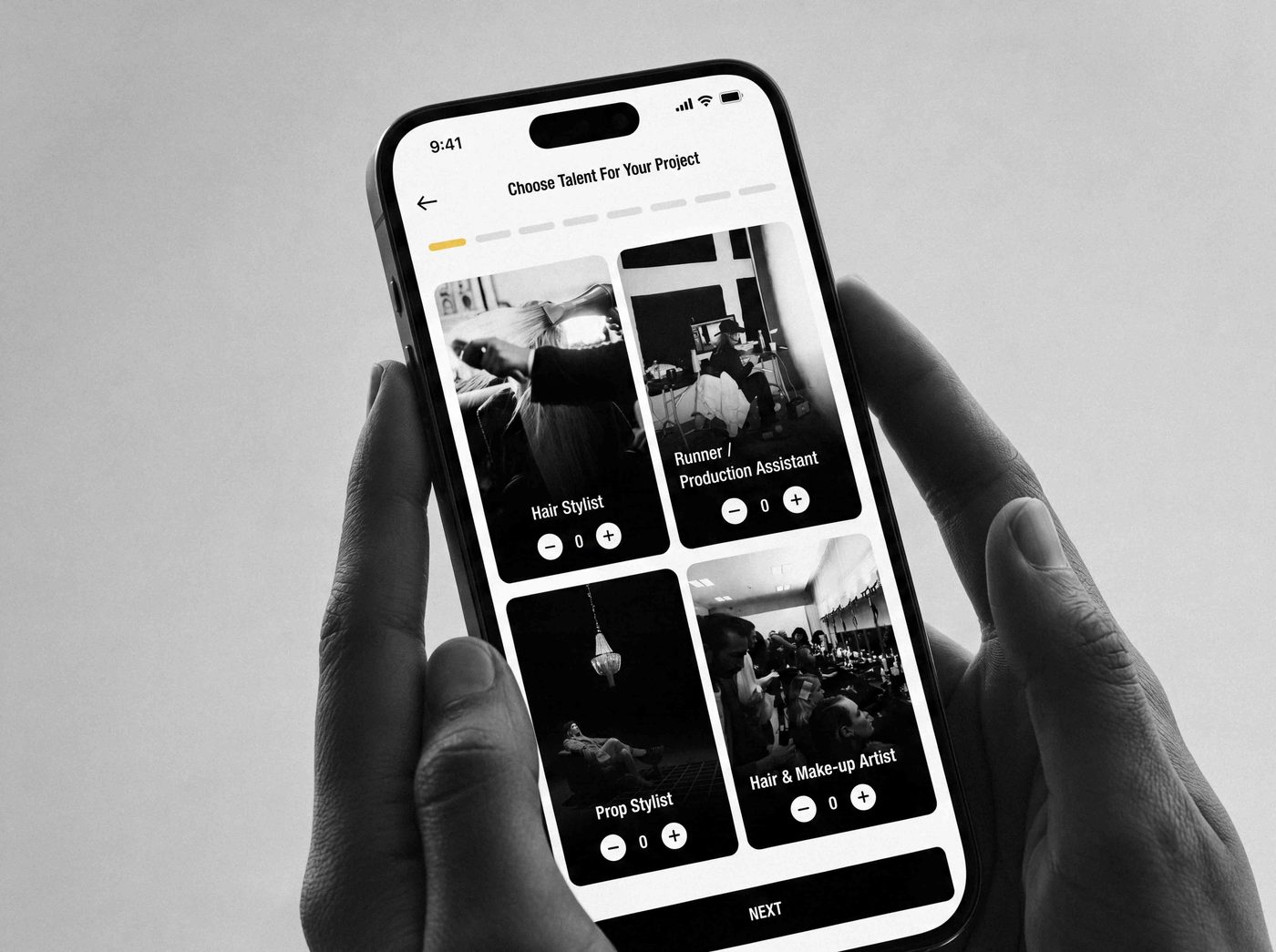
Post a job on the ANT Talent App and let approved talent come to you.
- Every profile approved by ANT
- Chat with talent in the app
- Payment held until the job is done

Free on iPhone
- 5.0on Google, 200+ reviews
- Since 2022modelling and talent agency
- Worldwideshoots, events and shows anywhere
- Licensed in Dubai. See our licence and booking terms