
Hire Models for Your Photoshoot: A Complete U.S. Guide
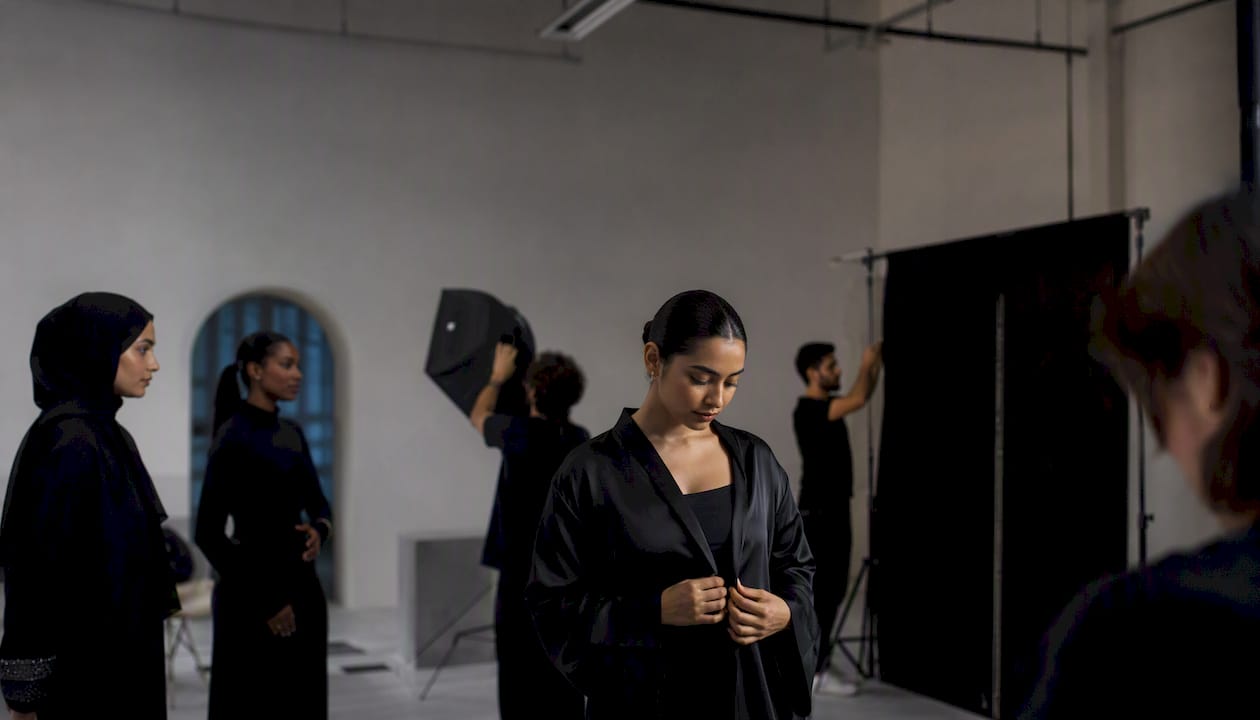
Hiring a model comes down to two routes: book through an agency for speed, legal coverage, and curated talent, or go direct via casting platforms for lower cost and hands-on control. A seven-step workflow covers the full arc from brief to shoot day, and the choice between the routes shapes every step. Agency bookings typically close in a few days; DIY sourcing through platforms like Backstage or Model Mayhem usually takes several days to a couple of weeks from posting to confirmed booking.
Key Takeaways
Hiring models well requires choosing the right sourcing route, locking usage rights in writing, and building enough lead time for proper vetting.
| Point | Details |
|---|---|
| Two routes, one decision | Agency bookings close in 24–72 hours; DIY platform sourcing typically takes one to two weeks. |
| Usage rights are non-negotiable | The shoot fee and the usage license are separate costs; never conflate them or skip the written grant. |
| Releases before images go live | No signed model release means no legal right to publish, regardless of what was agreed verbally. |
| Minors require extra steps | Guardian consent, state work permits, and Coogan Law compliance apply before any minor appears on set. |
| ANT Management | Provides curated shortlists, licensing support, and global talent access for commercial and editorial productions. |
Table of Contents
- How to hire models: your step-by-step checklist
- Where can you find the right models for your project?
- How do you write a casting call that attracts the right talent?
- How do you vet model portfolios and spot red flags?
- What should you budget for hiring a model in the U.S.?
- What contracts and releases do you need before the shoot?
- What goes on a call sheet, and how do you run a smooth shoot day?
- When is hiring an agency worth the extra cost?
- What are your options when the budget is limited?
- What the industry gets wrong about hiring models
- ANT Management: curated talent, handled end to end
- Practical resources for your next shoot
- Sources
How to hire models: your step-by-step checklist
Work through these steps in sequence. Each carries a minimum lead time that, if compressed, tends to surface problems on set rather than before it.
- Define the brief (Day 1): project type, aesthetic direction, required look, wardrobe, and deliverables.
- Set the budget (Day 1): include model fee, usage license, travel, catering, and agency markup if applicable.
- Write and post the casting call (Day 1–2): publish on your chosen platform with full specs and a clear deadline.
- Source and shortlist candidates (Days 2–7): review portfolios, flag three to five finalists.
- Interview and cast (Days 7–10): video or in-person call, confirm availability, review ID.
- Negotiate fee and usage rights (Days 10–12): agree on shoot fee, license scope, and payment schedule.
- Sign the contract and model release (Days 12–13): no shoot without a signed release.
- Send the call sheet (24–48 hours before): arrival time, parking, contacts, shot list, breaks.
- Execute the shoot: confirm wardrobe, meals, and on-set etiquette in advance.
Pro Tip: Post your casting call at least ten business days before the shoot date. Anything tighter and you are selecting from whoever is available, not whoever is right.
Where can you find the right models for your project?
Sourcing channels vary dramatically in speed, cost, and the verification they provide. The right channel depends on your budget, timeline, and how much legal exposure you can absorb.
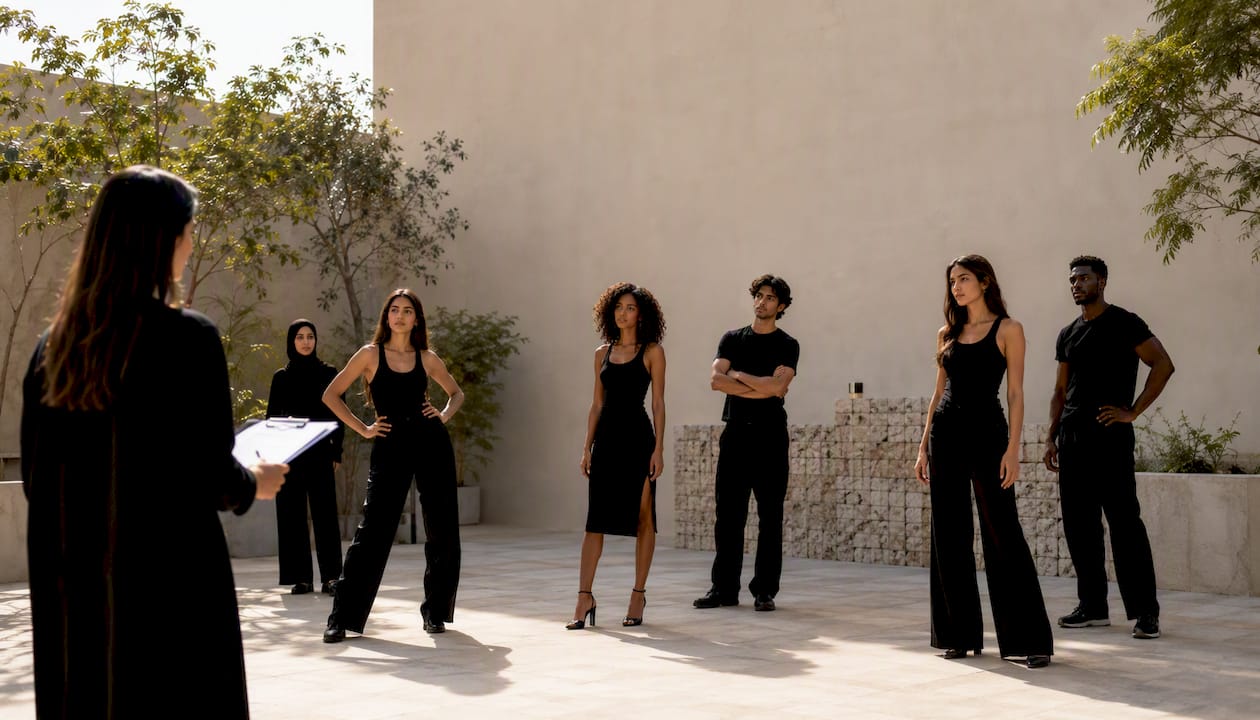
Talent agencies remain the highest-assurance route. They pre-vet portfolios, confirm IDs, manage contracts, and often provide backup talent if a booking falls through.
Casting platforms give you direct access to a large pool of working talent:
- Backstage: strong for commercial and editorial work; robust posting tools and applicant management make it a reliable first stop for U.S. shoots.
- Model Mayhem: community-driven, skews toward editorial and test shoots; verification is lighter, so portfolio review matters more.
- Casting Networks: favored for union and commercial productions; integrates SAG-AFTRA status checks.
- StarNow: mobile-first job posting and profile search; fast to post, though verification responsibility sits with the hirer.
- Swipecast: direct talent booking with in-app messaging, positioned to reduce agency overhead for straightforward commercial hires.
- ZJELL: positions itself as a curated shortlist platform delivering profiles within 24–48 hours, with explicit usage-rights support built into the workflow.
Instagram and social media work well for lifestyle and influencer-adjacent briefs. Search by location hashtag, review engagement quality, and always confirm usage rights in writing before the shoot.
Modeling schools and college programs are a practical source for editorial test shoots and low-budget commercial work. Students are motivated, rates are modest, and the work often carries genuine creative energy.
Pro Tip: When using mobile-first platforms like StarNow or Swipecast, build your own verification step into the process: request a government-issued ID and at least two professional references before confirming any booking.
How do you write a casting call that attracts the right talent?
A casting call is a creative brief compressed into a single posting. Vague specs attract volume; precise specs attract fit. Backstage’s posting guidelines reinforce that clarity in the original post is the single biggest driver of qualified applicant quality.
What every casting call must include:
- Project title and type (editorial, commercial, e-commerce, event)
- Shoot date, time, and location (city and studio or general area)
- Pay rate and usage scope (paid, TFP, or buyout with territory and duration)
- Look and size requirements, stated inclusively
- Required submission materials (portfolio link, comp card, measurements)
- How to apply and submission deadline
- Contact name and email
Casting call template:
[Project Title] — Paid Commercial Shoot, [City], [Date]
We are casting [number] model(s) for a [product/brand category] commercial shoot. Shoot date: [date]. Location: [city/studio]. Rate: $[X] for [half/full] day, including [usage scope: e.g., digital, 12 months, U.S. only]. Looking for: [age range], [gender identity if relevant], [any specific look notes]. Please submit: portfolio link or comp card, measurements, and two professional references. Deadline: [date]. Contact: [name, email].
Dos and don’ts:
- Do state pay and usage upfront; models screen out unpaid work quickly.
- Do use inclusive language for look requirements; avoid language that could read as discriminatory under federal or state law.
- Do specify if the shoot involves minors; state that guardian consent and work permits are required.
- Don’t list vague specs like “must be photogenic” without context.
- Don’t omit the usage scope; it is the most common source of post-shoot disputes.
How do you vet model portfolios and spot red flags?
Portfolio review is where creative direction meets professional judgment. A strong portfolio shows range across formats: headshots, lifestyle, editorial, and commercial. Multi-format portfolio tools can accelerate screening by presenting assets in interactive, comparable layouts, which is useful when reviewing ten or more candidates.
Vetting checklist:
- Portfolio contains work relevant to your project type (not just fashion if you need commercial)
- Social proof: consistent professional presence, credible credits
- References: at least two, from photographers or art directors, not personal contacts
- Valid government-issued ID confirmed before contracting
- Union status: if the job is union-eligible, confirm SAG-AFTRA membership and follow union compensation rules
- Availability confirmed in writing for the exact shoot date
Sample interview questions:
- “Walk me through a recent shoot where the brief changed on set. How did you adapt?”
- “Are you comfortable with [specific wardrobe or pose requirements]? Any restrictions I should know?”
- “Can you provide two professional references I can contact this week?”
Red flags to act on immediately: inconsistent or heavily filtered portfolios with no raw or behind-the-scenes work; refusal to sign a model release before the shoot; evasive answers about prior bookings or payment disputes; references who cannot be independently verified.
What should you budget for hiring a model in the U.S.?
Freelance models commonly charge a moderate hourly rate; agency models run around a higher hourly rate plus typical agency fees. Day rates for newer models start at a modest level, while experienced commercial talent can command substantially higher daily compensation.
The shoot fee and the usage fee are two distinct line items. The shoot fee covers the model’s time on set. The usage fee covers the right to publish those images across specific media, territories, and durations. Conflating the two is the most common budgeting error in first-time productions.
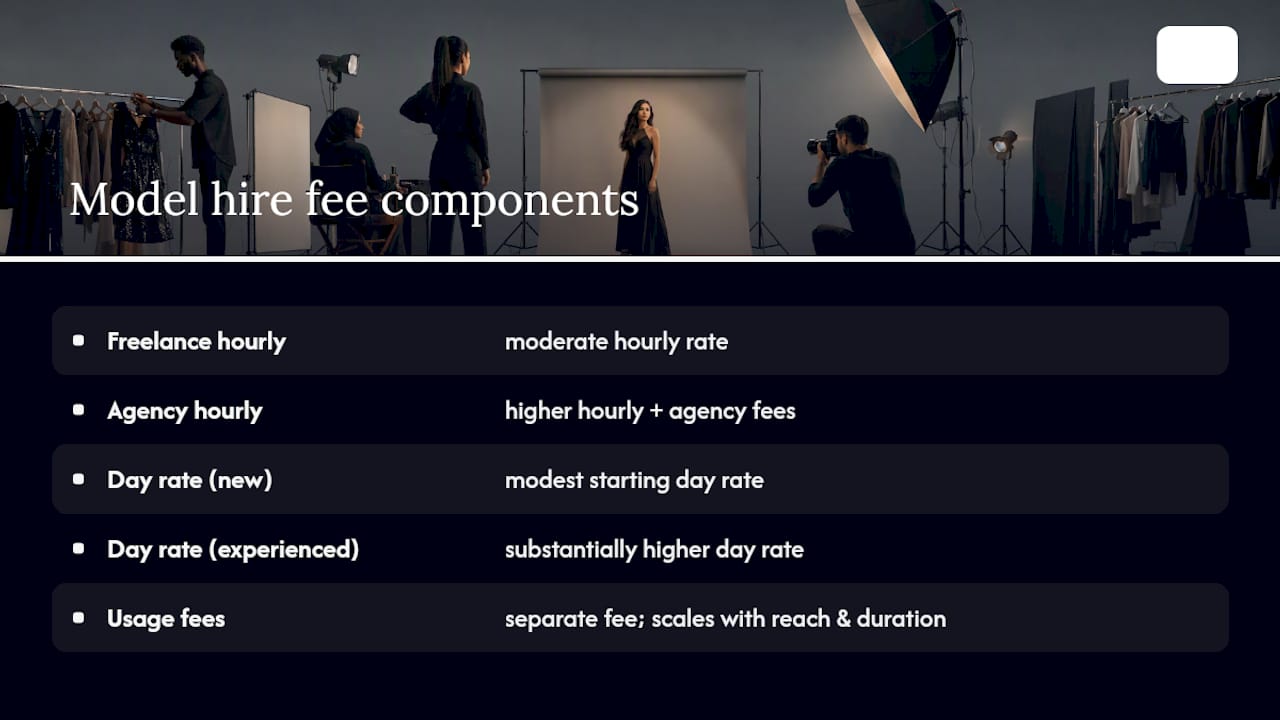
Usage licenses scale with reach: a social-only license costs less than a national broadcast buyout. Negotiate the scope before signing, not after the images are delivered.
What contracts and releases do you need before the shoot?
No images should be used commercially without a signed model release. This is not a formality; it is the legal instrument that grants you the right to publish.
Contract essentials:
- Full legal names and contact details of both parties
- Shoot date, call time, and location
- Total fee, payment schedule, and method
- Deliverables: number of looks, shot types, and estimated duration
- Cancellation and rescheduling terms, including deposit handling
- Usage rights: medium, territory, duration, and exclusivity (if any)
- Indemnity and insurance clauses for high-stakes commercial work
Model release checklist:
- Clear grant of usage rights (specify medium, territory, duration)
- Exclusivity clause if required
- Credit line requirements (or waiver)
- Signature, date, and witness line
- For minors: parent or legal guardian signature, plus state-mandated work permit
Minors require additional layers. State child labor laws govern scheduling, break frequency, and maximum hours on set. Guardian consent must be in writing, and the release must be co-signed by the guardian. Several states require a Coogan Law trust account for minors earning above a threshold. Confirm your state’s specific rules before casting anyone under 18.
What goes on a call sheet, and how do you run a smooth shoot day?
The call sheet is the operational spine of the shoot day. Send it 24–48 hours in advance and confirm receipt.
Call sheet must-haves:
- Model’s call time and arrival window
- Studio or location address, parking instructions, and entry contact
- Shot list with estimated time per look
- Wardrobe and styling notes (who provides what; practical wardrobe guidance helps models prepare)
- Meal and break schedule
- Emergency contact and nearest medical facility
On-set etiquette shapes the quality of the work. Phones off or on silent during shooting. Wardrobe and makeup handled by designated crew only. Confidentiality about the brand or campaign maintained until the client releases it publicly.
Rescheduling and cancellations: a 48-hour notice window is the standard minimum for either party. State this explicitly in the contract.
Pro Tip: Build a 30-minute buffer into the call sheet before the first shot. Wardrobe and makeup always run longer than planned, and that buffer is invisible to the client but invaluable to the crew.
When is hiring an agency worth the extra cost?
An agency earns its fee by handling the work that is hardest to do well under time pressure: talent vetting, contract drafting, usage-rights guidance, backup talent coordination, and production logistics. For a first-time producer or a high-stakes commercial campaign, that coverage is rarely optional.
An agency is the right call when:
- The timeline is under two weeks from brief to shoot
- The images will appear in national or broadcast media (usage licensing complexity rises sharply)
- The job requires union talent and SAG-AFTRA compliance
- You need multiple models or a full creative crew (stylists, photographers, videographers)
- International talent or travel is involved
Questions to ask any agency before signing:
- What is your typical turnaround for a curated shortlist?
- How do you structure your fees and markups?
- Do you provide usage-rights guidance and contract templates?
- What is your policy if the booked talent cancels within 48 hours?
- Do you carry production insurance, and does it extend to the client?
What are your options when the budget is limited?
Low-budget shoots are not low-standard shoots. The legal obligations remain identical; only the compensation structure changes.
Practical low-budget options:
- Trade-for-prints (TFP): the model receives edited images in exchange for their time. Works for editorial test shoots and portfolio building; usage must still be defined in writing.
- Student models from local programs: motivated, available, and often eager for editorial credits. Rates are modest; verify age and obtain releases as with any booking.
- Micro-influencers and UGC creators: effective for lifestyle and social-first content; negotiate usage rights carefully, as creators often retain content rights by default.
- Community boards and local Facebook groups: viable for lifestyle and community-oriented briefs; verification is entirely the hirer’s responsibility.
Low-budget checklist:
- Define usage scope in writing before the shoot, even for TFP
- Pay at minimum a small cash stipend or cover travel expenses
- Sign a simple model release covering the agreed usage
- Never waive the usage clarity clause, regardless of compensation level
The one item you cannot trade away is explicit written permission to use the images. A handshake agreement is not a license.
What the industry gets wrong about hiring models
The most common mistake producers make is treating the model release as an afterthought rather than a precondition. Images shot without a signed release cannot be used commercially, full stop. The second most common mistake is under-budgeting usage rights: a model’s day rate is often a fraction of what the license to publish those images across national media actually costs.
There is also a persistent tendency to conflate “available” with “right for the brief.” Speed of response is not a vetting criterion. The model who replies within ten minutes and the model who fits your creative direction are rarely the same person. Build the shortlisting step into your timeline rather than compressing it under deadline pressure.
ANT Management: curated talent, handled end to end
For brands and producers who need more than a name on a call sheet, ANT Management delivers curated shortlists, contract and licensing support, and access to a global talent network spanning fashion, commercial, and creative disciplines. The agency handles the vetting, the paperwork, and the production coordination so the creative team can focus on the work itself.
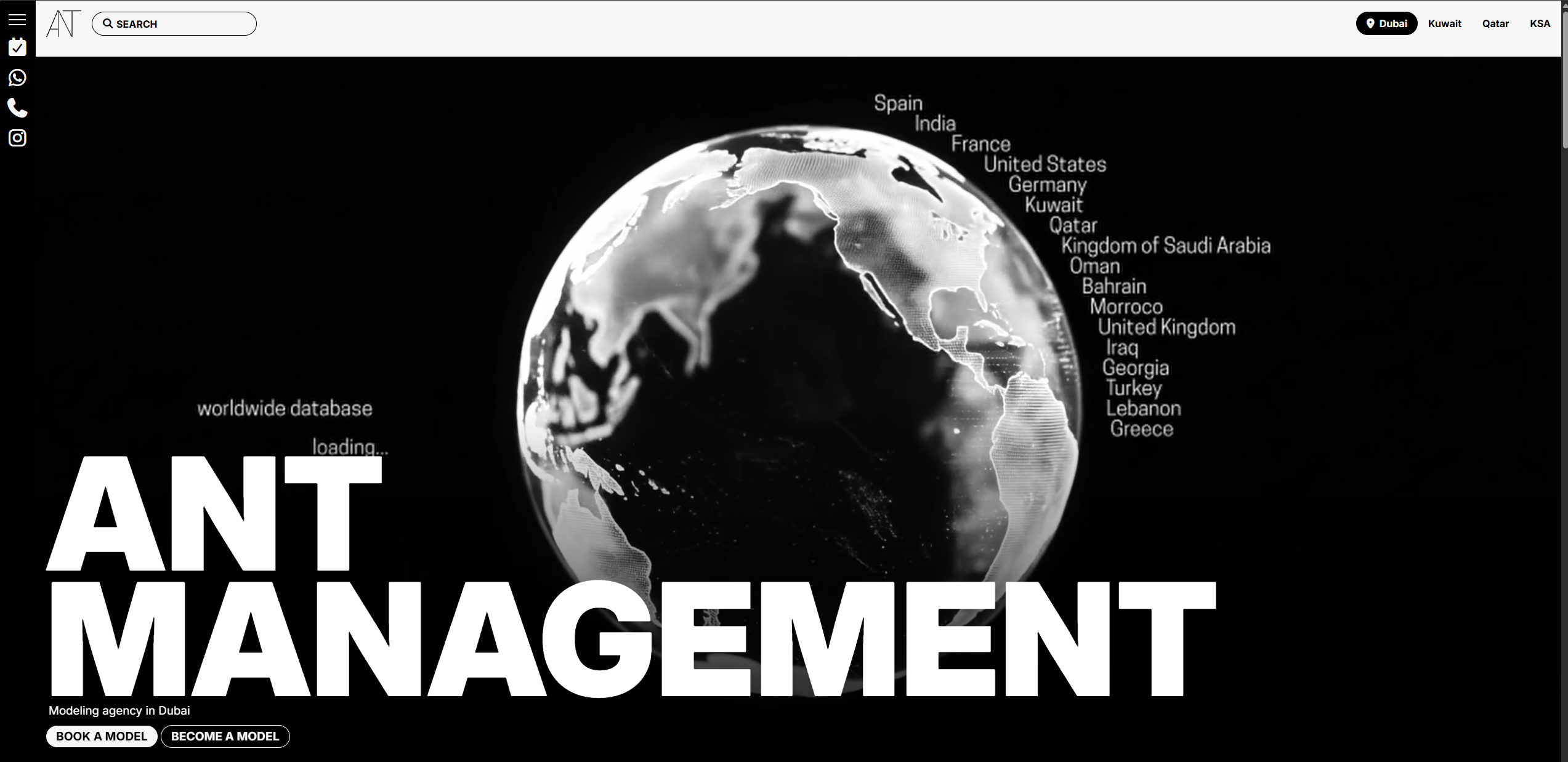
Before reaching out, prepare the following: a project brief with aesthetic references, your budget range (model fee and usage scope), shoot dates, and the media channels where images will appear. With those details in hand, the team at ANT Management can return a curated shortlist and a clear fee structure quickly. Contact the agency directly to begin.
Practical resources for your next shoot
The templates and platforms below cover the core documents and sourcing tools referenced throughout this guide.
Templates and documents:
- Casting call template: the one-paragraph format in the casting call section above is ready to copy; customize project title, rate, usage scope, and deadline before posting.
- Model release template: standard releases are available through legal template services; customize for usage medium, territory, duration, and minor-specific clauses before any shoot.
- Call sheet template: build from the must-have elements listed in the shoot-day section; add brand-specific confidentiality language for commercial productions.
Platforms for sourcing talent:
- Backstage: posting tools, applicant management, and union-status filtering for U.S. commercial and editorial work.
- StarNow: mobile-first job posting; fast to deploy, hirer-verified.
- Swipecast: direct booking and in-app messaging for commercial hires.
- ZJELL: curated shortlists with usage-rights support; useful for time-sensitive commercial briefs.
Portfolio evaluation:
- Alloquy: interactive, multi-format portfolio presentation that accelerates candidate screening when reviewing large applicant pools.
Agency support:
- ANT Management: full-service talent booking, licensing guidance, and production coordination for brands and creative teams.
Sources
- How To Hire A Model For A Day: 7 Essential Steps
- Help
- Hire Models Online Worldwide | Commercial & E-Commerce Models | ZJELL
- Apps
- Apps