
3 Proven Ramadan Activation Models for Marketers in 2026

The most effective Ramadan brand activations are culturally grounded, timed precisely to sahur and iftar moments, and built as a layered composition of community-first physical presence and platform-native digital amplification, led by creators who actually live the month. Study three 2026 cases before you brief anything: Canva’s #DigordeninCanva street takeover, Bear Brand’s Grab-powered sahur campaign, and Almarai’s Snap Map AR experience. Done well, these formats move reach, engagement, and purchase intent well beyond a standard seasonal push.
TL;DR:
- Focus on physical activations that leverage existing rituals, like street food behaviors or community spaces, rather than relying solely on symbolic imagery.
- Align digital amplification with the physical activation by incorporating real-time content and location-based formats such as AR lenses or Promoted Places.
- Prioritize the final two weeks of Ramadan for media spend and retail search investments, as consumer interest peaks sharply before Eid.
- Set clear, objective-specific KPIs before campaign launch and use trackable assets like QR codes and promo codes to measure direct impact.
- Book talent and plan operations at least three to six weeks ahead, ensuring cultural sensitivity, fasting accommodations, and permit timelines are addressed effectively.
Table of Contents
- Building a Ramadan Campaign Framework That Works
- How Ramadan Reshapes Audience Behavior and Attention
- Choosing High-Impact Activation Formats, With 2026 Proof Points
- Measuring What Actually Moved During Ramadan
- Hiring and Briefing Talent for Ramadan Activations
- Budgeting and Logistics for a Ramadan Activation
- Creative Rules That Earn Resonance Instead of Risk
- Navigating Regulatory and Cultural Sensitivities in Ramadan Advertising
- Messaging That Speaks to Ramadan’s Actual Values
- Integrating Digital and Offline Channels Into One Campaign
- What 2026’s Ramadan Campaigns Actually Taught Us
- How ANT MANAGEMENT Supports Your Ramadan Activation
- FAQ
- Sources
Building a Ramadan Campaign Framework That Works
A Ramadan activation is choreography, not a single gesture: it needs objectives that match the right channel, a calendar that respects the month’s rhythm, and KPIs set before a single asset is designed. Treat the brief like a score, each phase building tension toward Eid rather than repeating the same note for thirty days.
Start by pairing goals to formats instead of defaulting to the channel your team already knows:
- Awareness: hyper-local street or retail activations paired with short-form video for earned reach.
- Engagement: AR lenses, Promoted Places, or branded in-app placements that reward attention with play.
- Consideration: creator collaborations that demonstrate product use inside real sahur or iftar routines.
- Conversion: retail media and sampling loops that compress discovery into purchase within the same session.
The calendar itself splits into three creative postures. The first ten days favor anticipation and community seeding, soft-launch content, local partnerships, and talent briefings. The middle third of the month is where daily-ritual content performs best: sahur convoys, iftar countdowns, and recurring creator appearances. The final stretch compresses hardest toward commerce, as retail search in some markets approaches Black Friday intensity in the run-up to Eid, according to Google and Visa’s commerce analysis.
Set three to five KPIs before creative begins, each tied to a single objective rather than a vague “engagement” catch-all: reach and impressions for awareness, average playtime or click-through rate for engagement, and redemption or install counts for conversion. Benchmark each against the phase, not the whole month, since early-Ramadan numbers and pre-Eid numbers are not comparable.
Before anything ships, run a short internal checklist: cultural consultation signed off by a local voice, legal review of any religious imagery, talent availability confirmed against fasting hours, and a fallback plan if a partner venue’s permit timeline slips.
How Ramadan Reshapes Audience Behavior and Attention
Ramadan does not just shift what people buy, it rewires when and how they pay attention, and activations that ignore the new clock waste most of their media weight. Days effectively split into two attention windows: the pre-dawn sahur period and the post-sunset iftar hours, both dense with mobile use as people break from fasting rhythms and reconnect with screens.
Several behavioral shifts matter for planning:
- Mobile search and video consumption climb through the evening hours, making late-day media flighting more efficient than daytime pushes.
- Retail search intensifies sharply in the final two weeks, with apparel and beauty categories showing the clearest spikes ahead of Eid, per Google and Visa.
- In-app engagement patterns change as people spend more time inside super-apps and social platforms during fasting hours, when physical outings taper off.
Segment audiences by the ritual they are performing rather than by static demographics alone: ritual-driven segments gathering for iftar, gift buyers shopping ahead of Eid, family planners coordinating meals and travel, and late-night browsers active after taraweeh prayers. Layer signals like time-of-day, location proximity to retail or mosque clusters, search intent keywords, and in-market segments to time creative drops when each group is actually receptive, not simply when your media plan has inventory to spend.
Choosing High-Impact Activation Formats, With 2026 Proof Points
Pick the format that matches your objective and your appetite for logistics, because the four formats below carry very different cost and complexity profiles even when they share a Ramadan theme.
- Retail and mall activations. Physical re-theming, whether a mall atrium or a cluster of storefronts, works when it reflects a real local habit rather than generic crescent-and-lantern décor. Build a checklist before committing: venue permit lead time, prayer-space accommodation, crowd flow during iftar rushes, and a dismantle plan before Eid traffic peaks.
- Hyper-local street activations. Canva’s #DigordeninCanva campaign transformed dozens of Jakarta street-food stalls, or warungs, into creative billboards built around “digordenin,” a local frying ritual, then amplified the transformation through creator-led TikTok Live sessions. The resonance came from activating a behavior people already recognized, not from inventing a new one.
- Immersive, platform-native activations. Almarai’s Harat ALYOUM experience paired an AR Lens with Promoted Places on Snap Map, reaching more than 15 million people and drawing 9 million virtual visitors, according to Campaign Middle East. The mechanic let users explore a branded virtual neighborhood from their phones, then layered commercials and Chat Ads on top to extend reach beyond the Lens itself.
- Retail-media and ecosystem partnerships. Bear Brand built its 2026 campaign inside Grab’s ecosystem rather than beside it: branded driver uniforms, in-app placements, and sahur convoys turned a ride-hailing app into a retail-media channel, as detailed by The Drum. Sampling happened inside a trip people were already taking, compressing discovery and purchase into a single commute.
Combining physical and digital rarely needs new infrastructure: a QR code on a warung banner, a Promoted Place pin layered under an AR Lens, or an in-app placement timed to a sahur delivery order all link a real-world moment to a trackable digital endpoint. For teams testing this for the first time, a QR code campaign guide covers quick-turnaround setups that fit a Ramadan production window.
Pro Tip: Choose one physical format and one digital format per campaign rather than four scattered ones; depth in two channels beats a thin layer across all of them.
Measuring What Actually Moved During Ramadan
Attribution across a mixed physical and digital Ramadan campaign only works when the KPI is decided before launch, not reverse-engineered from whatever data happens to be available afterward.
Map each objective to a single primary metric:
- Awareness objectives track to reach and impressions, the metric Almarai’s AR experience reported at scale with 207.9 million impressions.
- Engagement objectives track to average playtime, click-through rate, or Lens interaction time.
- Conversion objectives track to purchases, app installs, or promo-code redemptions.
Trackable assets are what turn a street activation into measurable data: unique QR codes per site, promo codes tied to specific creator posts, and UTM-tagged links on any digital surface. A short-lived landing page per activation location lets scans and redemptions roll up into a single uplift estimate rather than an undifferentiated campaign total, a method the retail QR playbook walks through in practical detail.
Where budget allows, run a simple uplift test: hold out one region or store cluster from the physical activation while running digital media everywhere, then compare conversion lift between the two. Retail search intensity in the final two weeks of Ramadan can approach Black Friday levels in some markets, according to Google and Visa’s analysis, which makes that window the highest-value stretch for any uplift test you can afford to run.
Hiring and Briefing Talent for Ramadan Activations
Casting the right person for the right role matters more during Ramadan than any other campaign window, because fasting schedules, cultural sensitivity, and production pace all compress into a shorter working day.
Match the role to the need rather than defaulting to influencers for everything:
- Creators bring authenticity when they genuinely observe the month, lending credibility that paid talent cannot replicate.
- Promoters and hostesses suit retail and event activations where consistent brand presentation matters more than personal following.
- Trained talent fits scripted or produced content where performance craft carries the message.
A briefing checklist worth repeating on every job: confirm cultural consultation has shaped the script and wardrobe, define usage rights and payment timelines in writing before the shoot, and set shift schedules that respect fasting hours with appropriate rest breaks for non-fasting crew. Usage-rights disputes are among the most common budget leaks on influencer-led work, and a clear usage-rights negotiation guide is worth reviewing before any contract goes out.
ANT MANAGEMENT curates talent across fashion, commercial, and creator categories through a selective process, and our ANT Camp training program develops talent readiness ahead of peak booking seasons like Ramadan. Our brand activation staffing guide covers the operational side of hiring promoters at pace.

Pro Tip: Lock talent availability against the Ramadan calendar at least three weeks before the month starts, since the best creators are booked fastest in the final pre-Ramadan week.
Budgeting and Logistics for a Ramadan Activation
Ramadan budgets skew differently than a standard campaign: talent and production costs often rise earlier in the month to cover consultation and briefing time, while media spend concentrates hardest in the final two weeks ahead of Eid.
A workable allocation splits cost into five buckets: creative development, media and retail-media placement, talent and staffing, sampling or production materials, and a contingency line for permit delays or venue changes. Build the timeline backward from Eid rather than forward from the first day of Ramadan:
- Eight weeks out: confirm venue permits and vendor contracts, since mall and street-activation lead times stretch longest in this window.
- Four weeks out: finalize talent bookings and complete cultural consultation on scripts and wardrobe.
- Two weeks out: lock media flighting for the pre-Eid surge and confirm sampling logistics.
- First week of the final stretch: run a dry walk-through covering food handling standards, prayer-space coordination at any physical site, and crowd-control staffing for iftar-hour rushes.
Vendor blackout dates cluster around the final ten days of Ramadan and the days immediately before Eid, so confirm production crew availability early rather than assuming standard turnaround times will hold.
Creative Rules That Earn Resonance Instead of Risk
Creative that starts from a crescent moon and a lantern instead of a real local habit reads as decoration, not storytelling, and audiences notice the difference immediately. Canva’s warung transformation worked because it activated an existing ritual rather than inventing a symbolic one from scratch.
A few rules keep creative grounded:
- Start with community insight, not a mood board of generic religious iconography, and bring a local consultant into the room before scripts are finalized.
- Front-load the message in short-form video, since attention during fasting hours is split across multiple screens and tasks.
- Design for the platform’s native mechanics, building AR assets for Promoted Places or Lenses rather than repurposing a TV cutdown.
- Use countdown creative for iftar, a format that taps directly into the shared daily anticipation of breaking the fast.
A localization pass should check language accuracy against the specific dialect or market, confirm imagery respects modesty norms, and verify any local reference actually reflects the ritual it claims to represent. A campaign moodboard reference is useful shorthand for aligning a creative team before the first draft.
Pro Tip: Run every script past someone who observes Ramadan personally, not just a cultural consultant brought in for sign-off at the end.
Navigating Regulatory and Cultural Sensitivities in Ramadan Advertising
Ramadan advertising sits closer to cultural judgment than hard regulation in most markets, but a handful of principles hold consistently. Avoid depicting eating, drinking, or smoking during daylight hours in any market observing the fast, since broadcast and outdoor standards in several Gulf and Southeast Asian markets restrict or discourage this explicitly.
Religious imagery, including verses, prayer postures, or sacred sites, should never function as a logo backdrop or a hook for a sale. IKEA’s “Iftar at Ours” activation avoided this trap by consulting Muslim-led partners to design pop-up spaces that reflected how people actually gather to break fast, according to LBB Online’s coverage of 2026 localization. That consultation step, not a compliance checklist, is what separates respectful work from tokenism.
Dos worth repeating across every brief: time promotional pushes around sahur and iftar rather than midday, credit local creators and partners by name, and let charity or community messaging stand on its own without a hard sales layer attached. Don’ts: never use fasting as a punchline, never show food waste in Ramadan-themed content, and never rush a cultural sign-off to hit a production deadline. A missed permit is recoverable, a tone-deaf execution circulating on social media the next morning is not.
Messaging That Speaks to Ramadan’s Actual Values
Charity, family, and spirituality carry more weight in Ramadan messaging than any product feature, and campaigns that lead with the product instead of the value tend to feel like they arrived uninvited. The strongest work treats the brand as a supporting presence inside a ritual the audience already holds sacred, not as the subject of the story.
Family-centered messaging performs consistently because it mirrors how people actually spend the month, gathering for iftar, coordinating sahur schedules, and planning Eid travel together. Bear Brand’s campaign succeeded by inserting itself into the daily commute and sahur routine of real workers, as reported by The Drum, rather than asking those workers to adopt a new behavior for the brand’s sake.
Charity-led narratives work best when they are specific and verifiable, naming the cause or community partner rather than gesturing at generosity in the abstract. Spiritual framing should stay understated: a tone of reflection and gratitude lands more credibly than an overt religious claim, especially for brands without a direct cultural authority to speak from. The safest creative route pairs a universal value, togetherness, generosity, patience, with a specific, locally observed moment, which is exactly the pattern behind every case study covered above.
Integrating Digital and Offline Channels Into One Campaign
A Ramadan activation that splits its physical and digital budgets into separate workstreams usually produces two mediocre campaigns instead of one strong one. The strongest 2026 examples treated the physical moment as the content source and the digital layer as its amplifier, not as two unrelated line items on a media plan.

Canva’s warung transformations existed physically on Jakarta streets, but their reach came from creator-led TikTok Live sessions broadcasting the transformation in real time. Almarai’s AR Lens lived entirely inside Snap Map, yet it was built around a virtual neighborhood, Harat ALYOUM, designed to feel like a real place worth visiting. Bear Brand’s sahur convoys were physical vehicles on physical roads, but the in-app placements inside Grab turned every trip into a piece of trackable retail media.
The practical move is to design the physical activation first and ask what content it naturally produces, then build the digital plan around amplifying that content rather than running a separate creative track. Geo-targeted digital placements can extend a local activation’s reach to nearby neighborhoods that never see the physical site in person, a tactic explained in more detail in this geo-targeting overview for local campaigns. QR codes, promo links, and Promoted Places pins are the connective tissue that makes the two halves measurable as one campaign rather than two.
What 2026’s Ramadan Campaigns Actually Taught Us
Three lessons stood out this cycle. First, ritual beats symbolism every time, Canva’s warung takeover worked because it activated a habit people already had. Second, platforms that already carry daily behavior, like Grab or Snap Map, outperform standalone microsites built just for the season. Third, scale and intimacy are not opposites when the creative is specific enough.
Three red flags should stop a campaign before launch: generic religious iconography standing in for cultural insight, a creator briefed only on distribution and never on message, and a KPI chosen after the data comes in rather than before the brief goes out. My approval checklist asks one question of every asset: would this moment exist without the brand’s money behind it, or does it only make sense as an ad?
— ANT
How ANT MANAGEMENT Supports Your Ramadan Activation
Planning the creative is only half the job. Getting the right people booked, briefed, and on-site during a month with its own working rhythm is where most Ramadan campaigns actually lose time, and that operational layer is where we focus.
We offer talent booking, event staffing, and influencer marketing support for activations that move fast and require experienced people.
- Talent booking: fashion, commercial, and creator talent for brand activations.
- Event staffing: promoters and hostesses for retail and street activations.
- Influencer marketing: creator sourcing and coordination for platform-native campaigns.
- Production support: creative and production crews for pop-ups and shoots.
Reach out as soon as your creative concept is locked, ideally six to eight weeks before Ramadan begins, so casting and cultural briefing have room to happen properly rather than under deadline pressure. Start the conversation at ANT MANAGEMENT and bring your activation brief with you.
FAQ
What makes a Ramadan brand activation feel authentic rather than tokenistic?
Authenticity comes from activating a ritual the community already practices, as Canva did with Jakarta’s warung culture, rather than inventing new symbolism around the brand. Involving local creators and consultants in the planning stage, not just the distribution stage, is what separates credible work from a seasonal sticker on an existing campaign.
When during Ramadan should brands expect the biggest spike in purchase intent?
Retail search and spending intensify sharply in the final two weeks of Ramadan, with apparel and beauty categories showing the clearest pre-Eid surges, according to Google and Visa’s commerce research. Media and inventory plans should weight toward that window rather than spreading evenly across the month.
How do AR and immersive formats perform compared to traditional Ramadan ads?
Almarai’s AR Lens on Snap Map, paired with Promoted Places, reached more than 15 million people and attracted 9 million virtual visitors, according to Campaign Middle East. That scale suggests immersive, location-based formats can outperform static creative when paired with a culturally resonant narrative and broader media support.
What talent or staffing considerations are unique to Ramadan activations?
Shift schedules need to respect fasting hours, with rest and hydration breaks built in for non-fasting crew where appropriate, and payment timelines should avoid landing during the busy Eid week. We handle talent curation and training through programs like ANT Camp so crews arrive briefed and ready for a compressed production calendar.
How can brands link physical Ramadan activations to measurable digital results?
Unique QR codes, promo codes, and UTM-tagged links placed at each physical site let scans and redemptions roll up into a single uplift estimate per activation, a method detailed in this retail QR code guide. Running a holdout test, comparing a region with the physical activation against one without it, adds a clearer read on actual lift.
Sources
- Canva’s #DigordeninCanva activates Jakarta’s streets with Ramadan warung makeover
- Inside Bear Brand’s mobile campaign that celebrated Indonesia’s fasting workers
- Almarai achieves 15m reach, attracts 9m visitors with immersive AR experiences on Snap Map
- Search and spend decoded: Google and Visa unpack the commerce landscape
Recommended
Planning a shoot in Kuwait?
Prefer to book on your phone?
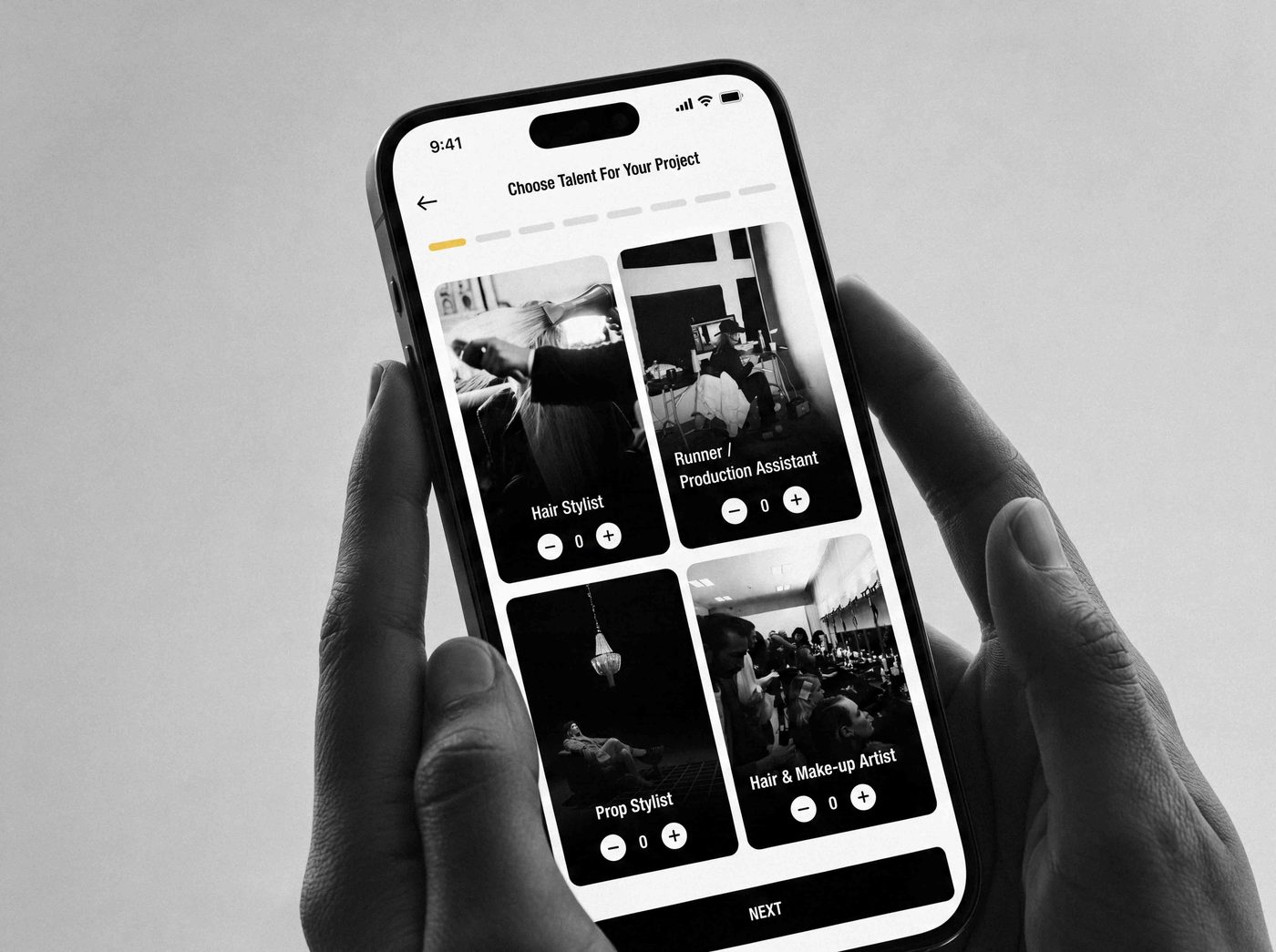
Post a job on the ANT Talent App and let approved talent come to you.
- Every profile approved by ANT
- Chat with talent in the app
- Payment held until the job is done

Free on iPhone
- 5.0on Google, 200+ reviews
- Since 2022modelling and talent agency
- Worldwideshoots, events and shows anywhere
- Licensed in Dubai. See our licence and booking terms