
Runway Show Staffing for Fashion Brands Starts With Production

Runway show staffing starts with a production-led team: a show producer, stage manager, model coordinator, dressers, key hair and makeup artists, seamstresses, security and runners. A mid-size show can require a crew of up to 100 people, so hire by role, not by headcount alone. Beauty teams should also be vetted for every hair texture and skin tone.
TL;DR:
- Appoint the producer and secure the venue first; large productions often begin planning four to five months ahead because vendors need lead time.
- A medium show can require up to 100 people; add dressers and runners as the cast grows, with one dresser per model on large casts.
- Vet beauty artists for every hair texture, require products for all skin tones in their contracts, and confirm those kit requirements during the briefing.
- Keep the model coordinator’s running order board as the single source of truth, while the stage manager alone calls cues over the headset.
- If the schedule slips, protect fittings and rehearsal first, since altered garments and cue practice depend on time before show day.
Table of Contents
- Which roles does a runway show crew need?
- When should you book each role?
- What does the backstage need to run smoothly?
- How do you hire, vet and brief models and event staff?
- How does show day run on time?
- What drives the cost of runway staffing?
- What does agency-managed staffing change?
- How ANT MANAGEMENT can staff your runway
- FAQ
- Sources
Which roles does a runway show crew need?
Every runway is a choreography of specialists, and the hierarchy matters. The show producer owns budget, staffing, vendors and timing, while the stage manager acts as the live show caller, cueing lights, sound and exits. Build the roster from the top down:
- Show producer: translates the designer’s concept into a working plan, signs off on budget and vendors, and should be hired before anything else is locked.
- Stage manager and show caller: runs the headset, calls every cue, and is the only voice that starts the show.
- Model coordinator and casting assistants: hold the running order, check models in, and manage the flow from the line-up to the stage door.
- Dressers: ideally one per model on large casts, because the person who prepared and steamed a look should execute its quick change.
- Hair and makeup leads: one lead per team, with enough stations, nails included, for the whole cast to be ready before the first call.
- Seamstresses and wardrobe: on hand for hems, closures and last-minute alterations.
- Security and front of house: control the backstage door, guest flow and seating.
- Runners: carry garments, accessories, water and messages so that specialists never leave their stations.
Production here is more than logistics; consider engaging with experienced production and digital-services support to integrate marketing and technical production seamlessly. It integrates music, lighting, choreography and casting into one brand experience, which is why the producer’s hire shapes everything below them.
Scale shifts the roster. A small presentation can run on a producer, a stage manager, a coordinator, a handful of dressers and one beauty team. A mid-size show grows toward the benchmark of up to 100 people, with multiple beauty stations, a wardrobe desk and a dedicated security lead. Fashion-week productions go far beyond that, with personnel on payroll for build, rehearsal and strike. When the cast grows, add dressers and runners first, because they absorb the pressure that otherwise lands on the stage manager.

For a deeper look at how models prepare for this environment, see our runway training basics.
When should you book each role?
Time is the quietest budget line. The producer and the venue come first, since preparation often starts four to five months ahead of a large show and vendors carry long lead times. Work backward from show day:
- Before show day: appoint the producer, lock the venue and fix the concept, running length and guest count.
- Ahead of show day: open casting windows and brief your agency on the look, sizing and walking requirements. Our runway casting checklist shows what models should prepare.
- Ahead of show day: confirm the stage manager, beauty leads, wardrobe team and security, and circulate the first production brief.
- Before show day: finalize model bookings and hold fittings so every garment is altered before the show.
- Before show day: run hair and makeup tests, assign stations and dressers, and confirm call times in writing.
- Before show day: rehearse the walk, cues and headset flow, and share the final running order.
- 24 hours out: issue the last briefing, confirm emergency contacts and check that every confirmed person has their schedule.
If a date slips, protect fittings and rehearsal before anything else.
What does the backstage need to run smoothly?
Backstage is a factory floor with silk in it. The London Fashion Week brief describes standard infrastructure as dedicated dressing areas with tables, chairs, Hollywood mirrors, power, clothing rails, steamers and ironing boards, and each item exists to protect speed. Plan for:
- Dressing areas: private changing spaces, one chair and mirror per station, and rails labeled by model or look.
- Power and lighting: enough distribution for dryers, tongs and steamers at once, and flattering light at every mirror.
- Communication: headsets on a clean frequency for the stage manager, front of house, music and lighting.
- Wardrobe kit: steamers, irons, sewing kits, safety pins, tape and spare closures within arm’s reach of the change stations.
- Hospitality: a fridge, water and food for the cast and crew, since a hungry team makes slow changes.
- Signage and flow: clear markers for the line-up, the stage door and each beauty zone.
- Waste management: bins and a strike plan so the floor stays clear for fast movement.
Production briefs list these items because they are where shows fail first: a missing outlet delays hair, a missing rail crushes garments, and a dead headset silences the cues.
How do you hire, vet and brief models and event staff?
Good staffing is mostly good vetting. Start with portfolios and past show experience, then ask for references. For beauty teams, go further: producers and agencies now face a higher standard of backstage inclusivity, so artists should be vetted for every hair texture and carry a full range of products for all skin tones.
- Vet: review portfolios, confirm runway or backstage credits, and test specific skills such as textured-hair styling.
- Contract: state call times, rates, overtime, cancellation windows, travel, accommodation, insurance and garment care.
- Brief: send the running order, quick-change notes, emergency contacts and a model check-in schedule in one packet.
- Protect welfare: model welfare and development are shared responsibilities, so schedule regular check-ins and give constructive feedback after the show.
- Check inclusivity: require inclusive kits in the contract, not as a favor on the day.
Pro Tip: Ask every beauty artist to describe, not just claim, how they would prep a coily or tightly curled look. The answer tells you more than a portfolio.
How does show day run on time?
On show day the running order board is the single source of truth, and the model coordinator owns it. Anything that changes goes on the board first, then onto the headset. The principle is simple: staggered teams, with one group on while another prepares, so no one waits.
- Post the board: running order, model names, look numbers and dresser assignments, visible from every station.
- Run the headset: the stage manager calls standby, then go, and no one else speaks on the cue channel.
- Space the changes: build the line-up so a model has real time between looks, avoiding empty exits.
- Keep dresser continuity: the dresser who steamed the look performs the change.
- Triage fast: wardrobe problems go to the seamstress, beauty problems to the lead, timing problems to the stage manager, and anything larger to the producer.
Centralized coordination also helps: clear communication reduces misunderstandings around schedules and garment tracking.
What drives the cost of runway staffing?
Costs follow roles, hours and risk. Plan the budget around these drivers:
- Production fees: the producer and stage management team set the structure of every other cost.
- Talent rates: model fees vary with experience, usage and the length of the call.
- Beauty and wardrobe: artists, dressers and seamstresses, sometimes offset by beauty sponsorships.
- Venue and build: space, staging, power and technical crews.
- Overtime and contingency: late fittings, extended calls and replacement kit.
Budgets and scheduling vary widely: major houses can spend large sums while smaller brands lean on flexible budgets and sponsorships. Reserve a contingency line for the unexpected. Our own booking terms list overtime at 15% per hour, and late cancellations carry fees, so build slack into the call sheet.
What does agency-managed staffing change?
Staffing a runway is a risk-management exercise disguised as a creative one. Most shows that stumble do so because ten good people were hired separately and never made a team. When we staffed models for Reem Acra, the value was not in the headcount; it was one coordinated team with a single briefing and a single contractual flow. An agency gives you vetted talent, continuity between dressers and beauty, and one point of accountability. Three actions to adopt now: appoint the producer first, write a one-page production brief before casting, and assign one dresser per look.
— ANT
How ANT MANAGEMENT can staff your runway
When the show matters, we build the team around your vision, from the first model to the last runner. Our relevant services:
- Model booking and talent selection, coordination and briefing
- Event staffing and full production crew booking
- Professional advice and preparation for productions
- ANT Camp, our talent training program
Start with a short brief: date, venue, cast size, look count and beauty needs. We respond with a proposed roster and booking terms. Book your runway team with us and let us handle the choreography behind the choreography.
FAQ
How many people does a runway show need?
It depends on scale, but a mid-size professional show can need up to 100 people, including beauty, dressers, seamstresses, security and runners. Smaller presentations run leaner, and fashion-week productions go well beyond that benchmark.
Who is in charge backstage at a runway show?
The producer owns budget, staffing and timing, while the stage manager calls the live show. The model coordinator runs the running order, and each department lead manages their own team.
How early should you book runway staff?
Book the producer and venue ahead of show day, and large shows often begin preparation four to five months out. Confirm models, beauty and wardrobe before the show, and finalize call times before the event.
How do you make backstage beauty teams inclusive?
Vet artists for competency with all hair textures and require a full range of products for every skin tone. Put the kit requirement in the contract and confirm it in the briefing.
Sources
- London Fashion Week - Production brief September '24 - September '25
- Backstage Roles at a Runway Show, Explained | NY ELITE
Recommended
Planning a shoot in Kuwait?
Prefer to book on your phone?
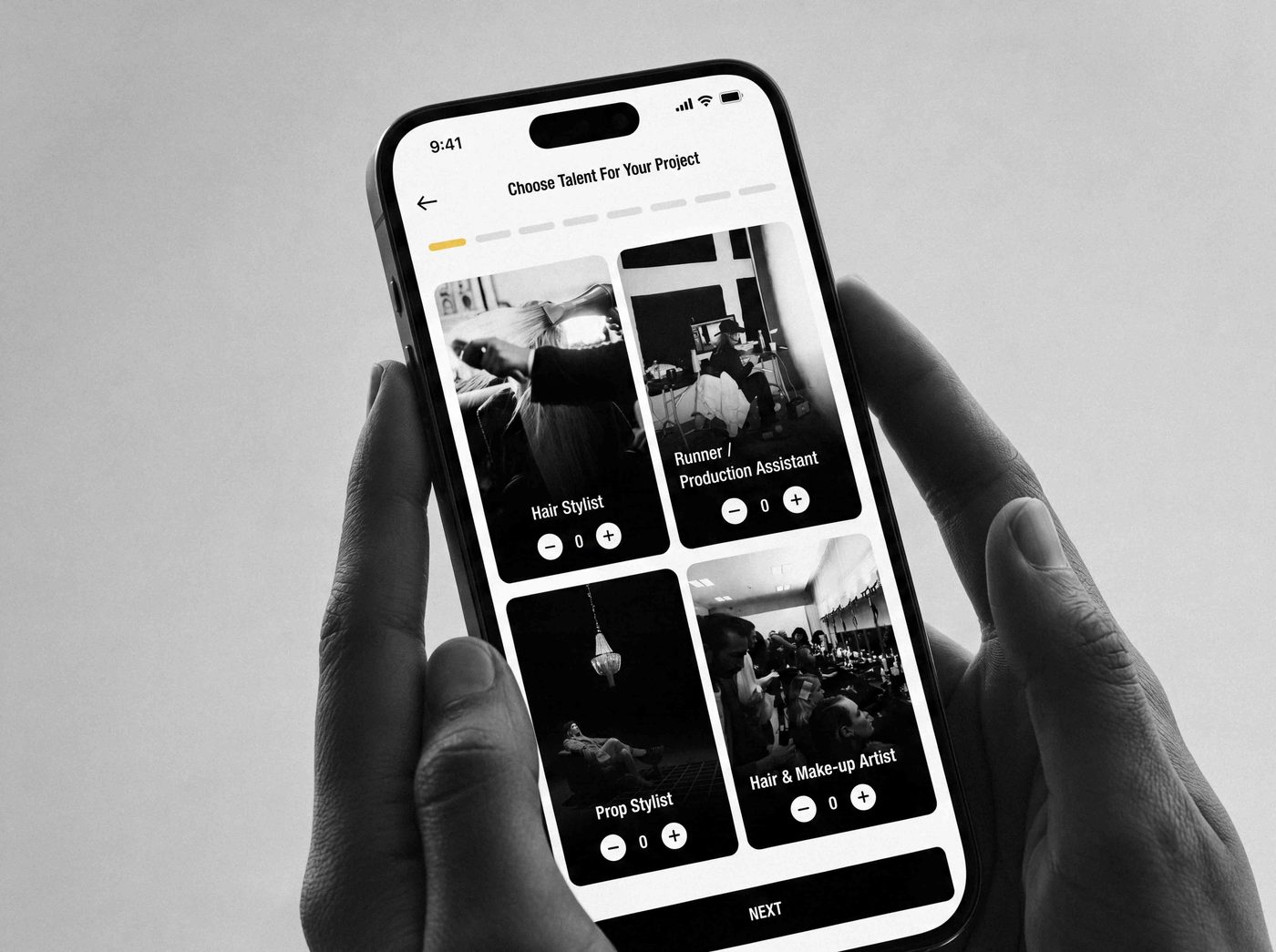
Post a job on the ANT Talent App and let approved talent come to you.
- Every profile approved by ANT
- Chat with talent in the app
- Payment held until the job is done

Free on iPhone
- 5.0on Google, 200+ reviews
- Since 2022modelling and talent agency
- Worldwideshoots, events and shows anywhere
- Licensed in Dubai. See our licence and booking terms