
Talent Travel Logistics: How to Move Models and Crews

Talent travel logistics is the discipline of moving models, creatives and crew to a set, a runway or an event so that they arrive rested, permitted, insured and on time, with the production schedule driving every flight, car and hotel night rather than the other way around. Done well, it is invisible. Done badly, it surfaces as a late call time, a stranded case of lenses or a minor who cannot legally work on arrival.
This guide is written for brands, producers and marketers who book talent across borders. It covers how to separate talent travel from crew travel, how to synchronize it with the shoot, what the paperwork and insurance questions look like, and where costs and cancellation terms bite.
TL;DR
- Treat travel as a layer of the production schedule: build it backward from fitting, rehearsal and call times, not forward from flight availability.
- Run talent and crew as two separate tracks. Talent needs privacy and flexibility; crew needs volume handling, cost control and clean manifests.
- Ship and insure equipment separately from people, and make sure it arrives ahead of the team under a production policy, not a personal travel policy.
- Confirm work authorization, minor-employment rules and insurance before tickets are issued, since all three vary by jurisdiction.
- Agree overtime, cancellation and trip-confirmation terms in writing at booking.
Table of Contents
- Why travel belongs inside the production schedule
- Talent and crew are two different problems
- Equipment moves on its own track
- Work authorization, minors and insurance
- A working timeline for a cross-border shoot
- Where travel costs and cancellation terms bite
- The ANT perspective
- Booking talent and crew with logistics in mind
- Common mistakes and how to avoid them
- FAQ
- Sources
Why travel belongs inside the production schedule
Fashion and commercial shoots run on fixed anchors: a fitting, a rehearsal, a hair and makeup call, a window of natural light. Travel that ignores those anchors produces idle talent and expensive downtime. The travel specialists at Frenchway make the point that successful production logistics rest on timing synchronization rather than simply buying seats, with flights and hotels coordinated so a team stays cohesive and downtime is minimized.
In practice, that means working from the shoot outward:
- Fix the call time for the first scheduled frame or fitting.
- Subtract hair, makeup and styling time, then transfer time, then buffer.
- Choose the arrival window that leaves the talent a genuine night of rest before the first call.
- Book return travel with a flexible or refundable fare, because wrap times move.
That last point matters more than most first-time producers expect. Shooting days shift with light changes and re-shoots, which is why fixed-timetable ground transport tends to fail on set. Taylor Travel Management notes that producers do better with drivers or transport partners who stay with the production rather than with a rigid itinerary, so a car is available when a wrap runs long.
Keep logistics inside the communication loop
The same source observes that the most effective transport partners plug directly into the production’s communication flow: call sheets, assistant director radio, schedule revisions. When a driver or travel coordinator hears a change at the same moment as the first assistant director, a multi-city campaign avoids the relay of half-remembered messages that so often derails it. For a brand, the practical step is simple: put the travel coordinator on the call sheet distribution list from the first draft.
Talent and crew are two different problems
A common error is to treat everyone on the manifest as one group. They are not. Talent travel is about privacy, comfort and controlled access: discreet transfers, minimal waiting in public areas, sometimes bookings under an alias. Crew travel is about volume, cost efficiency and standardized manifests that handle large groups and heavy gear. Frenchway’s guidance is explicit that failing to separate these roles creates friction.
Justin Keeperman of Justkeeps Travel puts the risk bluntly in his production and talent travel guide: a desk that only knows how to do one of these will fail at the other. The lesson for a brand is to ask whoever coordinates your trip how they handle each track, and to be wary of one-size itineraries.
| Factor | Talent track | Crew track |
|---|---|---|
| Priority | Privacy, rest, flexibility | Cost, volume, punctuality |
| Ground transport | Dedicated vehicle, stays with the schedule | Shared vans, scheduled shuttles |
| Accommodation | Quiet, secure, close to set | Block booking, standard rooms |
| Changes | Handled one-to-one by a coordinator | Handled through a manifest |
| Paperwork | Individual work authorization, releases | Group documentation, carnets, gear lists |
The table is a planning aid, not a rule. A small beauty campaign may travel one model, one photographer and one stylist, in which case the tracks converge. The point is to decide deliberately which treatment each person needs.
Connectivity is part of the kit
Everyone on a multi-country shoot needs working data from the moment they land: for call sheets, ride apps, location pins and last-minute schedule changes. Roaming charges and patchy hotel Wi-Fi are avoidable. Prepaid eSIM plans are one option, and this business travel data management guide explains how needs differ between a traveler who needs a reliable connection and a crew moving in volume. Install the plan before departure so nobody is hunting for a SIM at arrivals.
Equipment moves on its own track
Road cases, lighting and camera bodies are not luggage. Equipment is subject to customs rules that differ from those for people, and it should arrive ahead of the team so that setup never depends on a connecting flight. Production insurance guidance in the Warner Bros. Discovery EU production handbook is a useful reference for how large producers think about this: coverage should be arranged through specific production policies, with clear deductibles and documented responsibility during transit, rather than through standard travel or personal policies.
Three habits protect a shoot:
- Itemize everything. A gear list with serial numbers, values and destinations serves customs, insurers and the production office alike.
- Document handover. Record who holds the cases at each point, from the rental house to the hotel to the set.
- Plan the return. Many crews pack carefully inbound and carelessly outbound. Treat the way home with the same discipline.
Work authorization, minors and insurance
This is the part of talent travel logistics that cannot be improvised. Rules differ by country, by role and by the age of the talent, and the cost of a mistake is borne by the production.
Visas and work permits
Short business trips do not automatically cover a paid shoot. The UK government’s guidance on travel to France for work shows how this works for British citizens: some short-term business activities fall within visa-free stays, while others need a visa or permit, and specific roles can fall under different rules. Always verify the current requirements for each traveler’s nationality and each destination with the relevant embassy or consulate well before tickets are bought.
For talent entering the United States, the O-1 category for individuals of extraordinary ability is one route that immigration counsel discuss for models, as described in this guide to O-1 visas for models. Whether a given model qualifies is a question for an immigration attorney, not a booking desk, so start that conversation early. Visa processing is rarely the step that can be compressed at the last minute.
Minors on the road
Child talent adds a legal layer. In the United States, employment of minors in productions is regulated at state level, often requiring permits and a studio teacher or welfare worker on set. The CalArts production guide summarizes that penalties for noncompliance can be severe, and it describes strict limits for infants in California, with a parent within sight and sound of the child at all times.
Travel time can itself count as working time. California’s Blue Book on employing minors in entertainment states that travel between studio and location counts toward the minor’s working day. Georgia’s child labor rules for minors in entertainment likewise address travel time, excluding only an initial stretch from lodging to location. The consequence for planners is direct: a long transfer can consume hours that the shoot needed. Check the rules of the state or country where the child will work, and read our guide to compliance checks before hiring kid models before locking dates.

Production insurance
Standard travel insurance is generally not built for commercial productions. The same Warner Bros. Discovery handbook describes production programs that cover foreign locations, specialty items and workers’ compensation, and notes that foreign activity often requires advance notice to the insurer, with local hosts or corporate entities sometimes named as additional insureds. Specific limits and notice periods vary by program, so ask your broker what applies to your shoot before departure rather than after.
Local permits at the destination
People and gear can be cleared and still be stopped by a missing location permit. If your destination is the UAE, our breakdown of Dubai shooting permits and their timelines shows how to build the approval window into the calendar, and the same logic applies in any city: permits are a dependency, so they sit on the schedule beside flights.
A working timeline for a cross-border shoot
The sequence below suits a campaign with a handful of talent, a small crew and equipment. Scale it up or down; keep the order.
- Eight to six weeks out: brief and shortlist. Lock the concept, locations and shoot dates. A clear brief speeds everything that follows, and our model booking brief template shows what to include.
- Six weeks out: authorization. Confirm nationality, visa or permit needs and minor-employment rules for each person. Start any applications that carry processing times.
- Five weeks out: insurance and gear. Brief your broker on foreign activity and equipment. Finalize gear lists and shipping.
- Four weeks out: travel booking. Book flexible fares for talent and block bookings for crew. Reserve accommodation near set, with a quiet option for talent.
- Two weeks out: call sheet and ground plan. Circulate the schedule with travel coordinators on the distribution list. Assign drivers who stay with the production.
- Arrival day: reconfirm. Check that equipment has arrived, that every traveler has data connectivity and that the first call time still works.
- Shoot days: stay flexible. Expect shifts. Keep return travel changeable until wrap is certain.
- Departure: close the loop. Reconcile expenses, return gear and file documentation.
These timings are a planning heuristic drawn from the sequencing above, not a regulatory requirement. Visa and permit lead times in particular can be longer, so check them first.
Where travel costs and cancellation terms bite
Travel is rarely the largest line in a production budget, but it is the one most prone to unplanned increases: re-booked flights, an extra hotel night, overtime when a transfer pushes into the evening. Our production budget breakdown walks through the line items worth modeling, and travel belongs among them with a contingency attached.
Agree the commercial terms before anyone flies. At ANT Management, the published booking terms set out that overtime is charged at 15% per hour, that cancellation within 48 hours carries a 50% fee, that cancellation within 24 hours carries 100%, and that cancellation of confirmed trips is charged at 100%. Late payment fees are 9% per month. Terms like these exist because a confirmed trip removes talent from other work and commits real travel spend, so build your own approvals around them: do not confirm a trip until dates, permits and budget sign-off are settled.
The ANT perspective
We approach travel as part of talent management, not an afterthought to it. A model who lands without the right paperwork, or a stylist who arrives after the rails have been set, does not just cause a delay; the work itself loses its rhythm. Fashion is emotion translated through form, and form depends on people being in the right place, rested and ready, when the light is right.
Our view, built on representing fashion and commercial models, influencers, creatives and production crew across Dubai and international markets, comes down to four principles:
- Brief first, book second. The more precisely a brand describes the shoot, the more accurately talent, crew and transfers can be matched to it.
- Curation over volume. A smaller, well-chosen team is easier to move, easier to brief and easier to protect.
- Separate the tracks. Talent and crew have different needs, and treating them identically serves neither.
- Put the schedule first. Travel serves the call sheet, never the reverse.
We also see travel as a development question. Emerging talent who are new to working abroad benefit from preparation: what to pack, what documents to carry, how a call sheet works, how to conduct themselves on a long-haul day before a shoot. That is part of why we invest in training such as ANT Camp.
— ANT
Booking talent and crew with logistics in mind
If you are planning a campaign that needs models, creatives, stylists, hosts or a full crew, we handle talent selection, coordination and briefing so the people you book fit the shoot’s schedule, location and requirements. Start with our model and talent booking page to describe your project, or browse creatives and full production crew if your brief needs a team behind the camera. For productions with action sequences, see stunt booking, and read our notes on stunt coordinator requirements first.
Common mistakes and how to avoid them
Booking flights before confirming the shoot. Dates move, and confirmed trips carry cancellation consequences. Confirm the production first.
Assuming a visa-free stay covers paid work. It often does not. Check the specific activity, nationality and destination.
Relying on personal travel insurance for gear. Equipment needs a production policy with documented transit responsibility.
Fixed-schedule transfers. A shuttle that leaves at a set hour is no use when wrap slips. Use flexible, on-call ground transport.
Forgetting the supporting roles. Hair, makeup and styling teams are travelers too. Our guide to what a stylist does on a shoot explains why their arrival time is often earlier than the talent’s, and our overview of production crew roles helps you count everyone who needs a seat.
Ignoring the footprint. More travelers means more emissions and more waste. Our notes on green production practices show how smaller shoots can reduce both, from local hiring to consolidated transfers.

FAQ
What is talent travel logistics?
It is the planning and coordination of flights, ground transport, accommodation, documentation and equipment for models, creatives and crew traveling to a production. The aim is to align every movement with the shoot schedule while meeting privacy, legal and insurance requirements.
Should talent and crew travel together?
Only when the group is small and needs are similar. Larger productions usually separate them, because talent needs privacy and flexibility while crew needs volume handling and cost control. Splitting the tracks prevents the friction that comes from forcing one itinerary on both.
Does standard travel insurance cover production equipment?
Generally not. Production guidance recommends dedicated production policies with clear deductibles and documented transit responsibility. Speak to an insurance broker who works with productions before shipping any gear abroad.
Does travel time count as working time for child models?
In some jurisdictions, yes. California’s rules count travel between studio and location toward the minor’s working day, and Georgia addresses travel time in its own rules. Check the regulations where the child will work and plan transfers accordingly.
Who pays when a confirmed trip is cancelled?
That depends on the agreed booking terms. Our published terms charge 100% for cancellation of confirmed trips, 100% within 24 hours and 50% within 48 hours. Agree and sign terms before any travel is confirmed.
Sources
- Frenchway: Fashion Week travel, moving talent, teams and production
- Justkeeps Travel: Production and talent travel guide
- Taylor Travel Management: Creative productions transport
- GOV.UK: Travel to France for work
- Path Law Group: A guide to O-1 visas for models
- CalArts School of Film/Video faculty production guide
- The Employment of Minors in the Entertainment Industry (Blue Book)
- Georgia Rules: Child labor, minors in entertainment
Recommended
Planning a shoot in Kuwait?
Prefer to book on your phone?
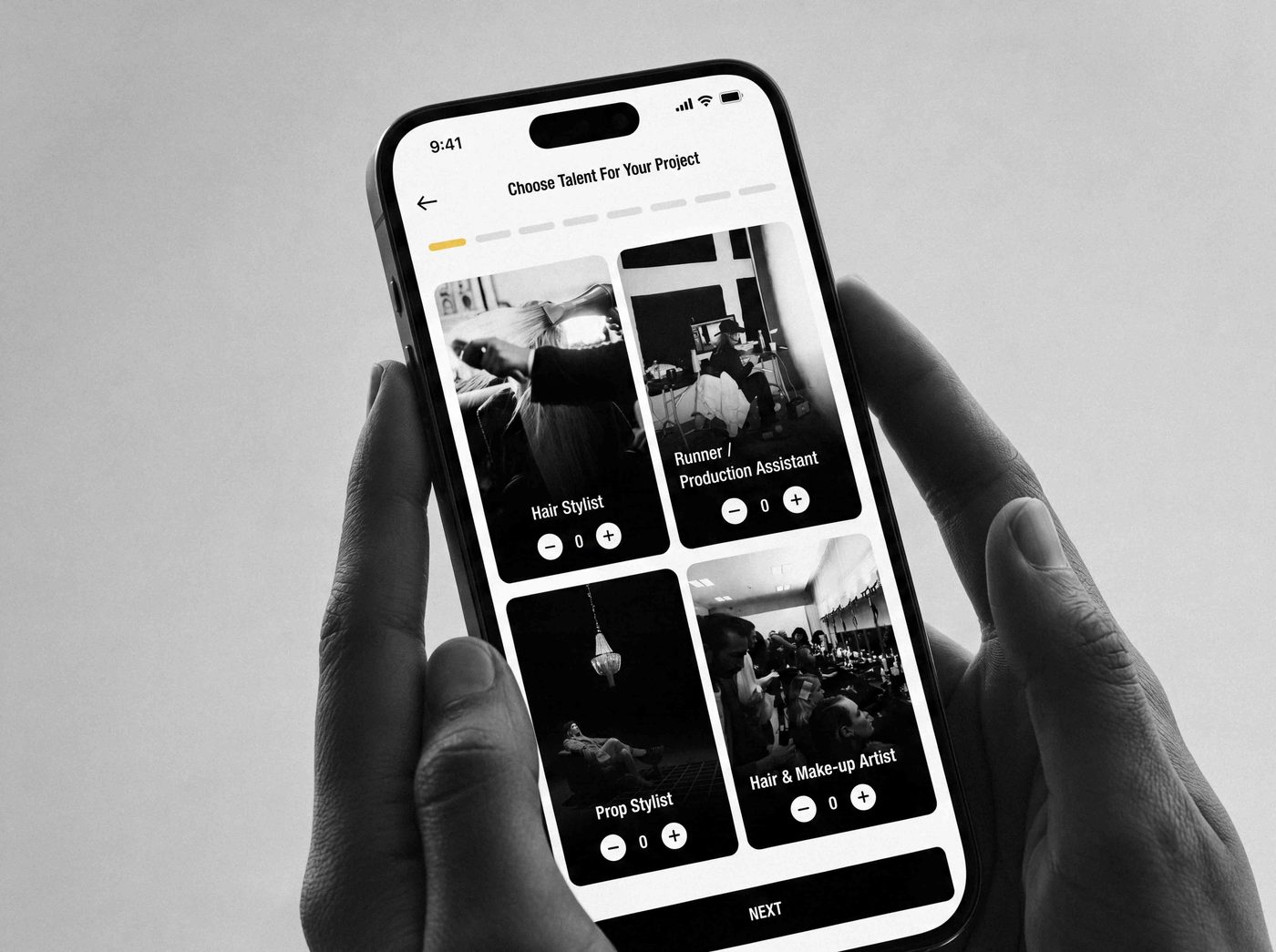
Post a job on the ANT Talent App and let approved talent come to you.
- Every profile approved by ANT
- Chat with talent in the app
- Payment held until the job is done

Free on iPhone
- 5.0on Google, 200+ reviews
- Since 2022modelling and talent agency
- Worldwideshoots, events and shows anywhere
- Licensed in Dubai. See our licence and booking terms