
Early Career Models: 5 Steps to Pick Agency, Freelance or Hybrid

Early-career models generally gain more from agency representation, which unlocks access, negotiation power, and structured development that freelancing cannot replicate. Freelancing suits those who value full control and immediate pay over 100% of a booking rate. Hybrid paths, where a model signs with an agency while retaining limited freelance rights, often bridge the two once experience builds. ANT Management, a talent agency with international placement networks, offers useful perspective on how that decision actually plays out.
TL;DR:
Agencies typically charge 15 to 25 percent commission plus potential client fees, which reduces your take-home pay compared to freelancing, but provide broader access and negotiation leverage.
For early-career models, agency representation accelerates development through access to high-profile campaigns, agency-supported portfolio building, and market entry.
Contract clauses such as worldwide exclusivity and uncapped recoupment expenses can limit a model’s flexibility and future earnings, so they require careful review before signing.
Hybrid careers often combine agency-backed development with selective freelancing, allowing models to build direct client relationships while maintaining agency support and channels.
Starting with updated portfolios, clear agreements, and tracking your work helps determine if freelancing is sustainable or if agency development aligns better with your goals.
Table of Contents
Agency Vs Freelance Models: The Core Trade-offs
The choice between agency vs freelance models comes down to what you’re trading for what you keep. An agency spends its time opening doors and negotiating on your behalf, while freelancing keeps every dollar of your rate in your own pocket. Neither path is free of cost. Both simply charge you differently.
Agency representation gives you:
-
Access to castings and campaigns that rarely reach freelancers, including fashion week placements and major commercial work that go through agency channels.
-
Rate negotiation handled by someone with market knowledge and leverage you don’t yet have.
-
Less administrative load, since bookings, invoicing, and client vetting are handled for you.
The tradeoff: commission, exclusivity clauses, and reduced autonomy over which jobs you take.
Freelancing gives you:
-
100% of your negotiated rate, with no commission split.
-
A schedule you control entirely, plus direct relationships with repeat clients.
-
Faster entry into digital-first and creator-style work that brands increasingly want handled directly.
The tradeoff: you absorb every administrative task yourself, and top-tier editorial or campaign work is harder to reach without agency credentials.
If you’re brand new to the industry with no client relationships yet, agency development tends to move you forward faster. If you already have a following, a niche, or direct bookings coming in, freelancing may let you capture more of what you’re already earning.
How Do Commissions and Markups Affect Your Pay?
Commission is where the agency vs freelance models comparison gets concrete. Agencies typically charge 15 to 25 percent commission, and many also layer a client-side service fee on top, which the client pays separately from your rate. That combination is what funds negotiation, vetting, and development, not just paperwork.
Pro Tip: Ask any agency for their exact commission percentage and whether client fees are separate from or deducted against your rate. Vague answers here are a warning sign.
Run the simple math: on a booking, the agency commission reduces your take-home pay compared to keeping the full amount as a freelancer. But freelancers rarely land the same $2,000 booking without a network already in place. Platform-driven routes have expanded freelance access to commercial work, narrowing that access gap somewhat.
Hidden costs cut into both paths:
-
Development shoots and comp cards (agency side, sometimes recoupable).
-
Travel and lodging for bookings (either side).
-
Administrative time: invoicing, contract review, and client vetting (freelance side, and it adds up).
What Contract Clauses Should You Watch For?
Exclusivity is the clause that does the most long-term damage when written poorly. Worldwide, all-category exclusivity locks you to one agency across every market and every type of work, even when that agency has no real presence in most of them. That’s rarely a fair trade for an early-career model still testing what direction suits her.
Sensible term length runs one to two years with a clear exit clause, not an auto-renewing lock-in. Expense recoupment, where an agency deducts costs like test shoots or portfolio prints from future earnings, is standard practice, but it needs a cap. Uncapped recoupment clauses have historically produced negative paychecks for models who owed the agency more than they earned.
Red flags to walk away from:
-
Pressure to sign the same day you’re scouted, with no time to review terms.
-
Any upfront fee for photos, portfolios, or “registration” before you’ve booked a job.
-
An agency that discourages or refuses outside legal review of the contract.
-
Recoupable expenses listed without a dollar cap or repayment schedule.
Quality varies enormously between agencies, and signing with a weak one under an exclusive deal can leave you worse off than freelancing entirely.
How Should You Choose Agency, Freelance, or Hybrid?
Match the decision to where you are, not to what sounds prestigious. Run through this in order:
-
Define your goal. Editorial and fashion-week work still runs mostly through agencies. Commercial and digital content has more freelance-friendly routes.
-
Assess your market. A city with a dense fashion industry supports more freelance opportunity; a smaller market often means an agency is your only real access point.
-
Check your financial runway. Agencies absorb some upfront cost through development; freelancing requires you to fund your own tests, travel, and gear.
-
Gauge your admin tolerance. Freelancing means you’re the accountant, the negotiator, and the scheduler. If that drains your energy, agency support pays for itself.
-
Vet the agency properly if you go that route: ask about their client roster, average commission, exclusivity scope, and what development actually includes.
-
Self-assess if you’re leaning freelance: do you already have three or more repeat clients, or are you starting from zero?
Hybrid representation makes sense once you have enough standing to negotiate limited exclusivity, keeping an agency for its channels while freelancing on the side with written permission.
How Do Hybrid Careers Actually Work?
The most durable careers rarely pick one lane permanently. A common pattern starts with agency development, building a portfolio and market presence, then shifts toward selective freelancing once you have direct client relationships and the confidence to negotiate them yourself.
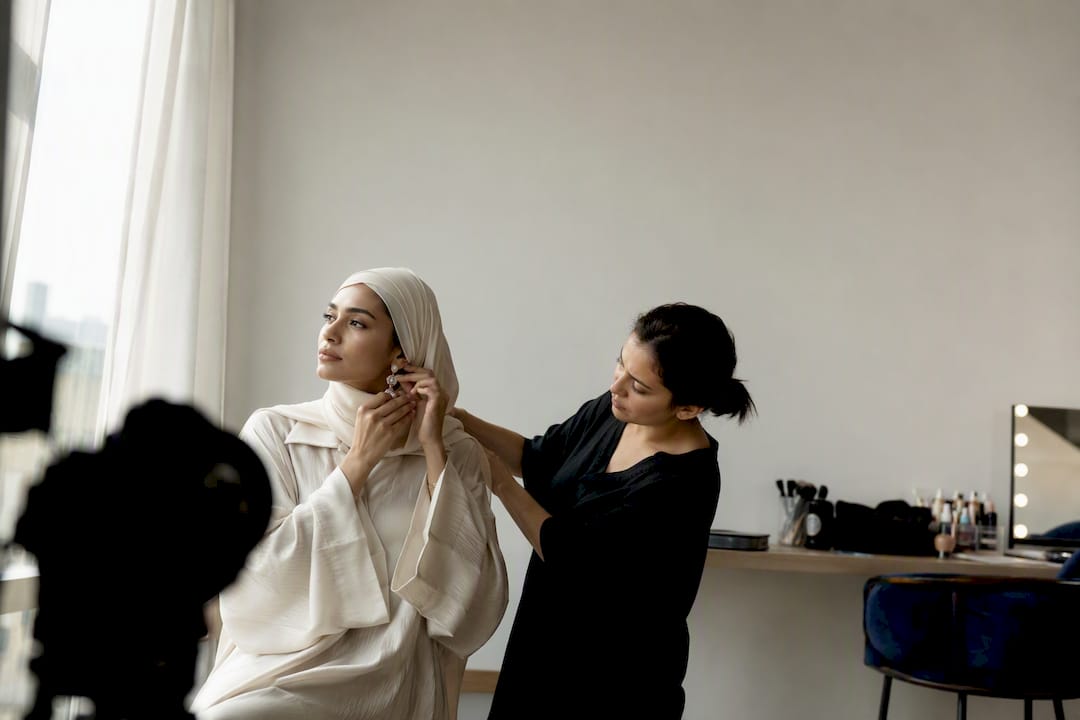
Mother-agency arrangements, where one agency manages your career globally while local agencies handle bookings in specific markets, are another version of this. So is a straightforward agency-plus-freelance seam: exclusive for agency-submitted work, free to book independently for everything else, in writing.
ANT Management structures its development around this reality. Programs like ANT Camp build technical skill and portfolio strength before placement, and the agency’s network across Europe, the US, and Asia gives early-career talent international reach that’s hard to build solo.
Pro Tip: Negotiate exclusivity that applies only to bookings the agency itself submits, or limit it to one city or market for a fixed term. Broad, indefinite exclusivity almost never benefits you at this stage.
What Should You Do This Month?
Momentum beats overthinking here. Start with:
-
Update your portfolio and make sure you’re findable online under a consistent, searchable name.
-
Get your measurements, ID, and any required paperwork documented and ready to send.
-
Set a minimum acceptable rate for your market before anyone asks you to work for free.
-
If testing freelance work, keep it non-exclusive with clearly scoped agreements so you’re free to sign with an agency later.
-
Track every booking, contact, and contract in one place. Time spent on admin versus booked work over 90 days tells you honestly whether freelancing is sustainable for you.
What Do Agencies Actually See Go Wrong?
The mistake ANT sees most often isn’t picking agency or freelance. It’s signing broad exclusivity out of excitement, without reading what it costs later. A close second: models undervaluing usage rights, signing away image use across every platform and market for a flat rate that never accounts for how far that image travels.
The fix is unglamorous. Keep your own book and client contacts regardless of who represents you. Learn the basic vocabulary of a modeling contract, exclusivity, recoupment, usage, term, before you’re asked to sign one under pressure. Plan your career in phases rather than treating one contract as a permanent verdict.
— ANT
Ready to Explore Agency Development?
If you’ve decided access, negotiation, and structured development matter more right now than keeping every dollar of a rate, agency representation is worth pursuing seriously. ANT Management works across fashion, commercial, and digital talent, with training through ANT Camp and placement across a network spanning Europe, the US, and Asia.
This fits models early in their career who want development support rather than a fast, unmanaged freelance start, and it fits established freelancers who’ve hit the ceiling of what direct bookings alone can reach. Before applying, ask any agency you’re considering about commission structure, exclusivity scope, and what development actually includes beyond a signature.
If ANT Management sounds like the right next step, review current opportunities and apply through the agency’s talent page to start the conversation about where you fit.