
What Does a Stylist Do on a Photo Shoot?
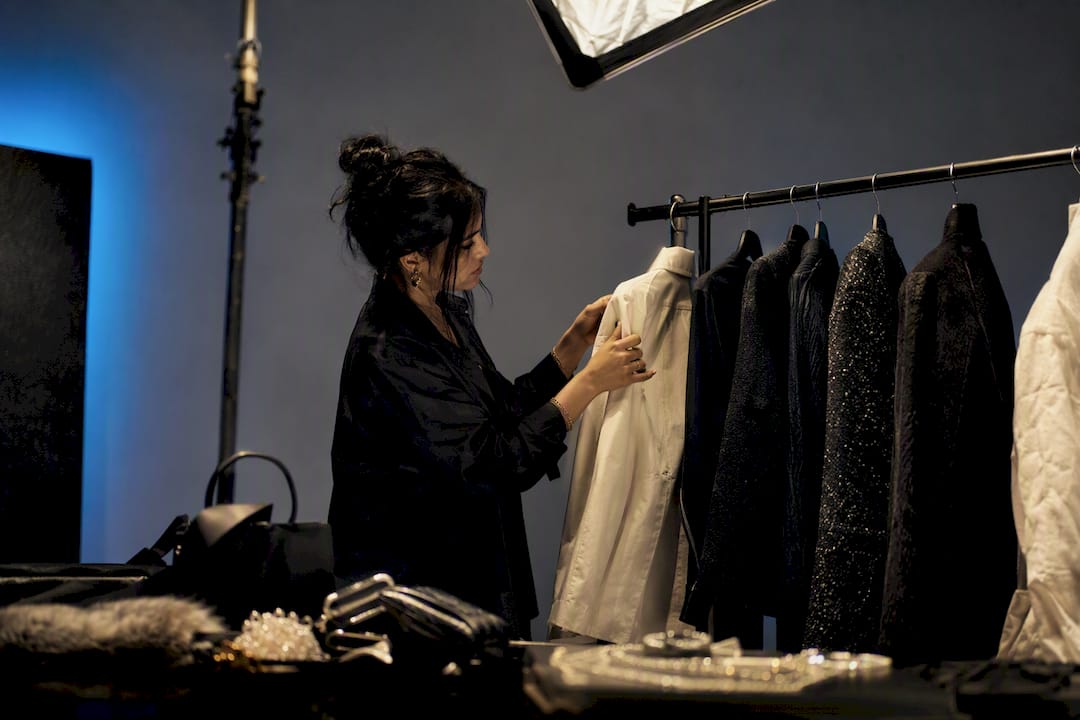
On a photo shoot, the stylist is the creative and practical authority over every garment, prop, and silhouette the camera captures. The role runs from concept to final return, translating a creative brief into wardrobe that photographs correctly and holds a story together, frame by frame. Working in tandem with the photographer and creative director, the stylist ensures the look is not just beautiful but camera-ready, on schedule, and true to the brief.
TL;DR:
- Accurate fitting and quick repairs are essential on set, requiring a well-stocked kit with a steamer, safety pins, and basic alteration tools.
- Effective communication with clients and models, along with meticulous paperwork, prevents delays and sample loss during the shoot process.
- Building a strong portfolio and gaining agency representation, especially through networks like ANT Management, accelerates access to higher-profile bookings.
- Knowledge of lighting and camera angles influences wardrobe choices, as fabric sheen and patterns can behave differently under studio lights and with various lenses.
- Mastering logistics, from sourcing and fittings to returns and documentation, is just as vital as aesthetic judgment for long-term career success.
Table of Contents
- Core Responsibilities: What a Stylist Actually Does on Set
- The Shoot Workflow: Pre-Production to Post-Production
- Skills, Knowledge, and the Stylist’s Kit
- Career Path, Agency Representation, and Pay
- How ANT Management Works With Stylists
- Handling Client and Model Interactions on Set
- Managing Timing and Workflow to Keep the Shoot on Schedule
- Troubleshooting Common Styling Problems Mid-Shoot
- Why Lighting and Camera Angles Should Shape Wardrobe Choices
- What the Job Actually Rewards, and What Gets Oversold
- Work With an Agency Built for International Booking Days
- Sources
Core Responsibilities: What a Stylist Actually Does on Set
The stylist role in shoots starts long before anyone picks up a camera. It begins with the brief, a document or conversation that defines mood, market, and message, and it ends with a returned sample and a closed invoice. Everything between those two points is where the craft lives.
Most professional stylists move through a consistent set of duties, whether they are working an editorial cover story or a commercial catalog run:
- Interpreting the creative brief and building mood boards or shot-specific look lists that translate concept into concrete garment choices
- Sourcing wardrobe through showroom pulls, brand loans, retail purchase, or custom builds, while tracking every sample against loan agreements and insurance terms
- Scheduling and running fittings, then coordinating alterations and tailoring so garments fit the model or talent precisely, not approximately
- Handling on-set technical work, including steaming, pinning, quick repairs, color and texture adjustments, and managing rapid outfit changes without breaking continuity
- Styling props, accessories, and flat-lay or product arrangements when the shoot calls for still-life or e-commerce imagery
- Maintaining paperwork: outfit logs, sample inventories, photography notes tied to each look, and return schedules for every borrowed piece
This range of duties explains why job listings for photo stylists routinely mention collaboration with photographers, budget management, and composition alongside wardrobe sourcing itself, a spread that separates styling from simple shopping. A photo stylist’s job description typically groups these into creative and administrative buckets, but on set, the two blur constantly. A stylist checking a hemline in the viewfinder is doing both at once.
It’s worth distinguishing two adjacent titles here, since the terms get used loosely. A wardrobe stylist working on narrative productions, film and television, prioritizes character accuracy and budget-conscious procurement over trend relevance. A fashion stylist working editorial or commercial shoots is chasing something different: contemporary imagery that sells a mood or a product. Both roles share the mechanics. Their creative north stars diverge.
The Shoot Workflow: Pre-Production to Post-Production
A shoot succeeds or stalls based on sequencing. Skipping a step in pre-production shows up as chaos on set; skipping a step after the shoot shows up as a missing sample and an angry showroom. The workflow below reflects how experienced stylists structure the job in three phases.
- Pre-production. Confirm the brief, build the mood board, book samples with return dates attached, get budget sign-off, and lock fitting times against the model casting schedule. This phase can take longer than the shoot itself, especially on editorial work with borrowed pieces from multiple showrooms.
- On-set execution. Arrive early enough to set up a steaming and staging station before talent arrives. Stage outfits in shot order, not rack order, so changes move at the pace the photographer needs. Communicate shot-by-shot with the photographer and producer, flagging when a look needs five more minutes versus when it is ready to go.
- Post-production. Log every look against its corresponding image file, return every sample against its checklist, submit invoices promptly, and archive final images for portfolio use.
Assistant stylists typically own the physical labor of this workflow, steaming, running racks, tracking returns, while the lead stylist owns the creative calls and client relationship. On a well-run set, the assistant anticipates what the lead needs before it’s asked.
Pro Tip: Build your outfit log as you shoot, not after. A look sheet noting garment source, size, and return deadline for every single frame saves hours during the post-shoot scramble and prevents a showroom from flagging your account for a missing loaner.
Skills, Knowledge, and the Stylist’s Kit
Styling rewards a specific combination that few other creative jobs demand in equal measure: genuine aesthetic judgment paired with logistical precision. Neither one substitutes for the other. A stylist with a flawless eye for color and composition but no organizational discipline will lose samples, miss fittings, and burn showroom relationships. The reverse, a hyper-organized stylist with no visual instinct, produces technically correct but forgettable images.
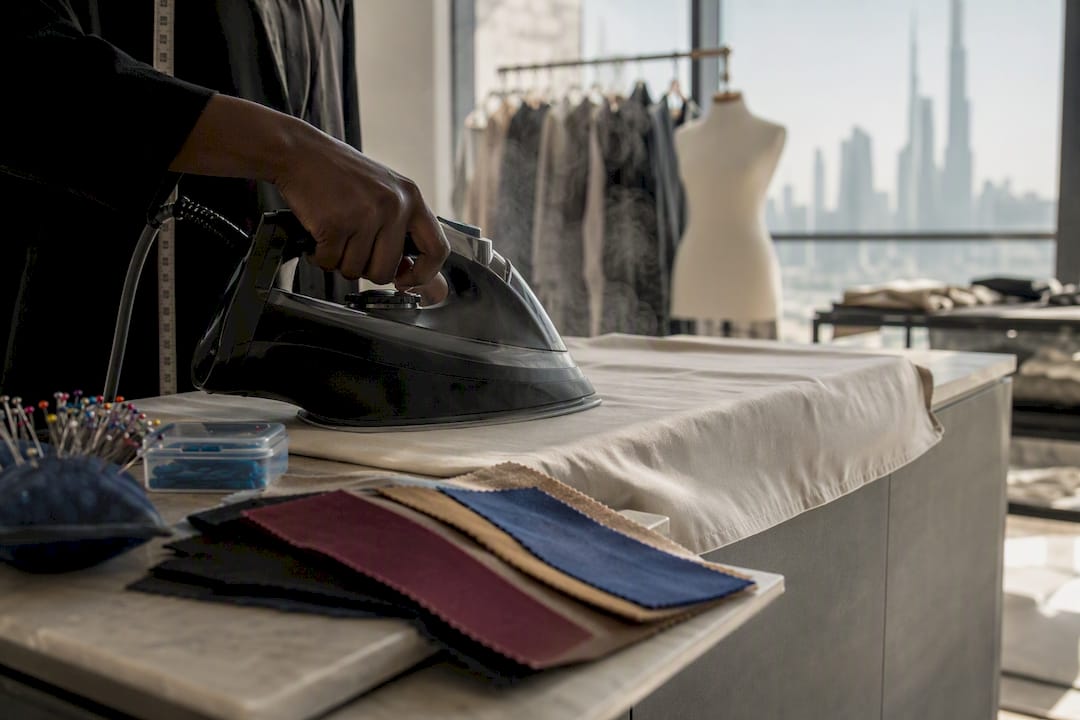
Creative competencies include color theory, composition, current trend fluency, and the ability to build a visual narrative across a series of shots rather than one static image at a time.
Technical competencies matter just as much: fabric handling, steaming technique, pinning for a camera-ready fit rather than a wearable one, quick tailoring fixes, and an instinct for how different fabrics and finishes actually read under studio lighting versus daylight.
Soft skills round out the role: clear communication with photographers and creative directors, tight time management under a ticking studio clock, negotiation with showrooms and PR contacts, and basic studio etiquette around talent and crew.
None of this works without the physical kit. A dependable stylist kit typically includes:
- A garment steamer and a compact iron for last-minute pressing
- A sewing kit with thread, needles, and basic notions for quick repairs
- Safety pins, fashion tape, and clips in multiple sizes for fit adjustments the camera should never see
- Lint rollers and garment bags to keep pulled pieces presentable between looks
- Basic alteration tools for on-the-spot hemming or tailoring
- A labeled sample folder and inventory system to track every borrowed piece by source and return date
A stylist’s on-set kit is not a nice-to-have accessory. It is directly tied to how fast a set moves. A missing safety pin at the wrong moment can cost ten minutes of shooting time, and on a day-rate crew, ten minutes multiplied across a full call sheet adds up fast.
Career Path, Agency Representation, and Pay
Styling careers tend to follow a recognizable ladder, even though the timeline varies widely by market and specialty. Most stylists start as assistants, handling steaming, sourcing legwork, and returns while learning how a lead stylist reads a room and a rack. From there, many move into day-rate freelance styling for commercial and smaller editorial work, building a portfolio that eventually supports mid-level freelance styling across bigger campaigns. The top tier, senior editorial or celebrity styling, comes after years of relationship-building with photographers, brands, and talent. Practical experience through assistant roles and a strong portfolio remain the most reliable entry points into the field, alongside active networking with PR teams, showrooms, and agencies.
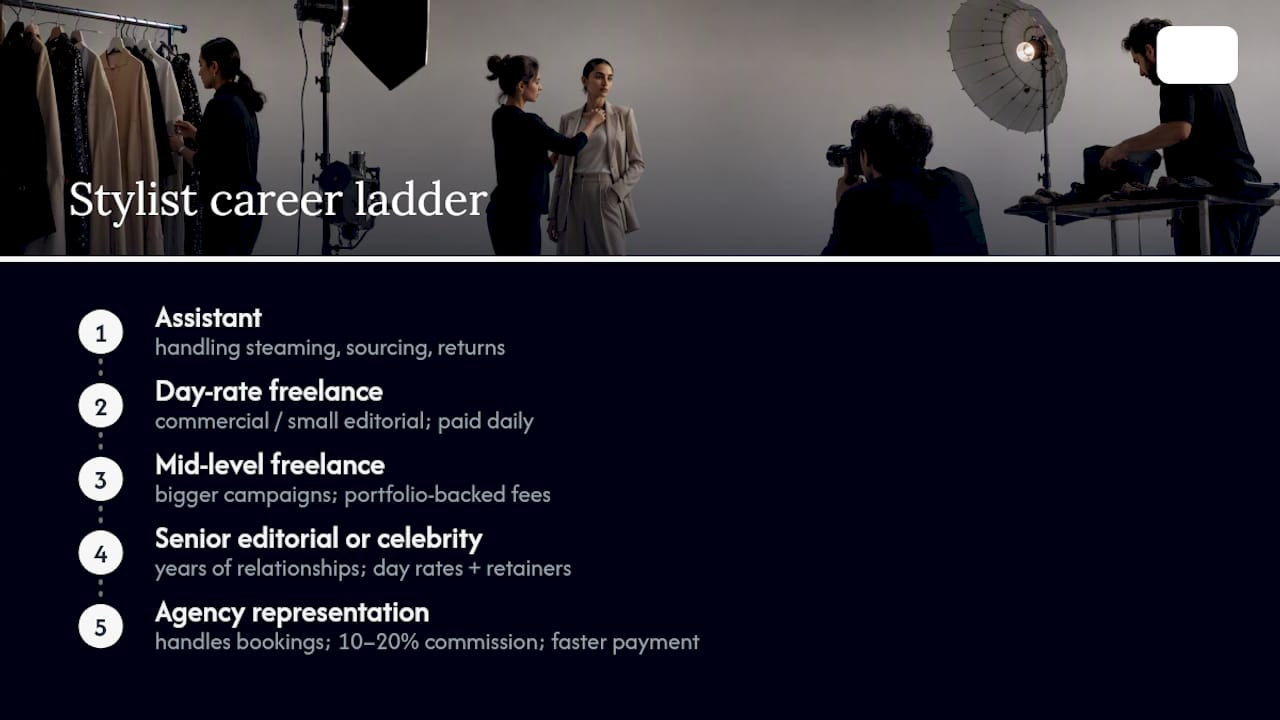
Agency representation changes how the work flows. Agencies typically handle bookings, administrative overhead, and payment collection in exchange for a commission commonly running 10 to 20% of the stylist’s fee. In return, represented stylists usually see faster, more reliable payment and access to bookings they would not land cold.
Pay structures vary by market and experience level, but a few patterns hold broadly: assistants are usually paid a day rate, lead stylists on commercial work often negotiate per-project fees, and senior editorial or celebrity stylists may combine day rates with retainer-style arrangements for ongoing client relationships. When negotiating, always clarify usage rights for the images produced, build in travel or extended-day rate add-ons before the shoot, and invoice with clear line items so nothing gets disputed after the fact.
How ANT Management Works With Stylists
Agencies exist to remove friction from the booking process, and that’s precisely what ANT Management does for stylists working across its international network. The Dubai-based agency coordinates talent logistics, manages client expectations, and supports professional development through programs like ANT Camp, built to sharpen the on-set readiness that clients expect from day one.
What agencies actually look for is straightforward: a portfolio that shows range, communication that doesn’t require chasing, and the professionalism to walk onto an international set and perform without a learning curve. Stylists who meet that bar and build a relationship with an agency like ANT Management typically see smoother logistics, faster payment turnaround, and access to higher-profile bookings than they would find working entirely on their own.
Handling Client and Model Interactions on Set
A stylist spends as much time managing people as managing garments, and the client relationship usually sets the emotional temperature for the entire shoot. Clients want to see their brief realized, but they also want confidence that the person handling wardrobe understands the commercial stakes. That means presenting options clearly, not defensively, and explaining styling choices in terms the client actually cares about, whether that’s brand positioning or how a silhouette will crop for social feeds.
Model interactions demand a different register entirely. A stylist is often adjusting garments directly on a model’s body, pinning, tucking, checking fit, which requires a professional, low-friction touch and constant verbal communication about what’s happening and why. Models who feel rushed or handled carelessly tend to tense up, and that tension reads immediately on camera. The best stylists narrate their adjustments quietly, keep instructions specific (“lift your left shoulder slightly”) rather than vague, and read body language for discomfort before it becomes a visible problem in the shot.
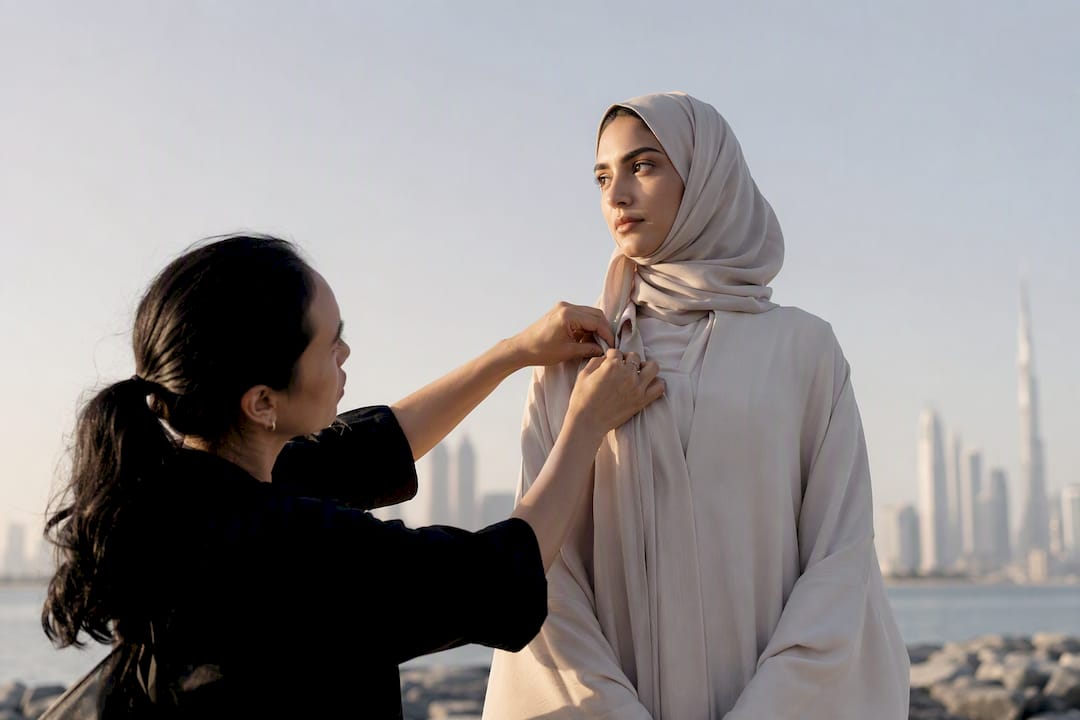
When client notes and model needs conflict, the stylist becomes the translator. A client asking for a tighter fit that the model finds restrictive requires a stylist who can propose a visual compromise, cinching from the back, using tape instead of a smaller size, that satisfies the brief without compromising the person wearing the garment.
Managing Timing and Workflow to Keep the Shoot on Schedule
Every shoot runs against a clock, and the stylist is usually the person quietly managing whether that clock wins or loses. A packed shot list with multiple looks per hour leaves almost no margin for a stuck zipper or a missing accessory, so pacing decisions made an hour before call time determine whether the afternoon runs smoothly or falls apart.
The practical fix is staging outfits in shot order rather than alphabetical or rack order, so the next look is always half-assembled before the current one wraps. Experienced stylists also build a rough time budget per look during pre-production, flagging which changes are complex (multiple layers, delicate fabric, elaborate accessories) and scheduling buffer time around those specifically rather than spreading it evenly across the day.
Communication keeps that pacing honest. A stylist who tells the producer “we need five more minutes” before being asked buys goodwill that a stylist who stays silent and falls behind never gets. On sets with tight studio rental windows or paid crew by the hour, that five-minute warning can be the difference between finishing on schedule and paying overtime.
Troubleshooting Common Styling Problems Mid-Shoot
Problems on set are not exceptions. They are the job, and how a stylist handles them under pressure is often the real measure of skill. A few issues come up on nearly every production.
Wardrobe malfunctions, a split seam, a broken zipper, a stain, need a fast triage instinct: fix it invisibly, hide it with camera angle, or swap the piece entirely. A sewing kit and fashion tape handle most of the first category. Fit problems that surface only once a model is standing under lights, rather than in the fitting room, usually call for pinning from behind or clipping excess fabric out of camera view rather than a full wardrobe change that eats shooting time.
Color and texture can also betray a stylist under studio lighting that differs from how a garment looked in the showroom. Fabrics with sheen can blow out under strong key lights, while deep, saturated colors sometimes photograph flatter than they appear in person. A stylist who checks looks on a monitor between takes, rather than relying on the naked eye, catches these shifts before they become a reshoot.
Why Lighting and Camera Angles Should Shape Wardrobe Choices
Wardrobe that looks perfect on a rack can read completely differently once it hits a lens, which is why understanding light and angle is as central to styling as fabric knowledge itself. Fine prints and tight patterns can create moiré distortion or visual buzzing on camera, particularly under certain lens and sensor combinations, so stylists often favor simpler patterns or test a garment on camera before committing it to the final shot list.
Fabric sheen behaves differently under hard studio strobes than under soft, diffused daylight. A satin blouse that looks elegant in natural light can turn into a distracting hot spot under a bare flash, which is why stylists frequently coordinate directly with the lighting team before finalizing fabric choices for key looks.
Camera angle changes what the eye notices first. A low angle emphasizes silhouette and hemline, while a tight beauty shot might make a necklace or collar the entire focus of a look. Stylists who understand the day’s shot list in advance can prioritize which garment details actually need attention, rather than perfecting elements the frame will never show.
What the Job Actually Rewards, and What Gets Oversold
The conventional advice about styling leans hard on taste, on having “an eye.” That’s real, but it’s not what separates stylists who build careers from those who wash out after a year. The balance between aesthetics and logistics is where the actual craft lives, and most beginner guidance underweights the logistics half almost entirely.
Where the standard advice falls shortest is paperwork. Nobody romanticizes an outfit log, but a stylist who can’t produce one when a showroom asks where their sample went will lose access to inventory faster than one who lacks trend knowledge. Documentation isn’t clerical overhead bolted onto the creative work. It’s the infrastructure that lets the creative work keep happening on the next job.
If there’s one priority for anyone entering this field, it’s building fluency in the unglamorous mechanics first: fittings, returns, kit management, communication under time pressure. The eye for styling develops with repetition. The professional habits that keep you employable have to be built deliberately, and most people skip that step until it costs them a booking.
— ANT
Work With an Agency Built for International Booking Days
ANT Management gives stylists a faster path onto sets that matter: international bookings across a network spanning Europe, the US, and Asia, without the cold outreach and inconsistent payment cycles that come with working entirely solo. The agency handles the client relationship, the logistics, and the administrative overhead described throughout this article, so stylists can focus on the fittings, the kit, and the shot list instead of chasing invoices.
Stylists who join the network gain access to structured development through ANT Camp, built to sharpen exactly the on-set readiness international clients expect, alongside faster payment turnaround and bookings that come through vetted client relationships rather than cold pitches. If you’re building a styling career and want representation that treats logistics as seriously as creative direction, explore ANT Management and start the conversation about representation today.
Sources
- Wardrobe stylist vs fashion stylist vs personal stylist — Sterling Style Academy
- Fashion stylist career overview — CareerExplorer
- Stylist job profile — Prospects
- What’s in my kit — Styled by Cohen