
Model Training That Delivers a 10–15 Image Portfolio: ANT Management
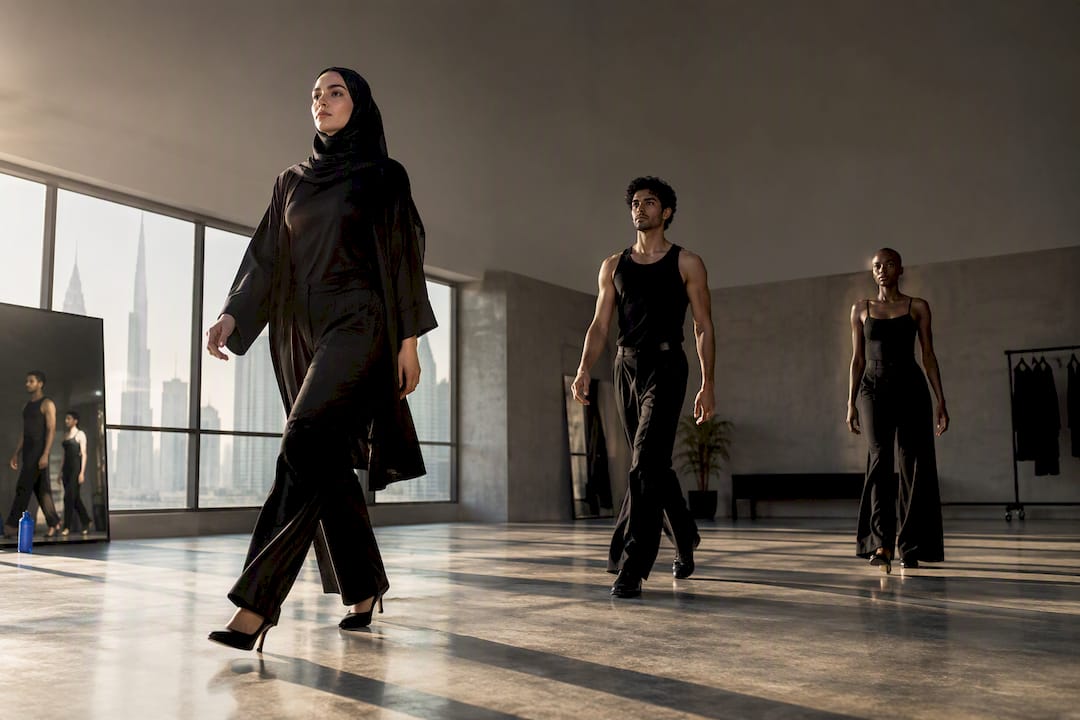
The strongest model training programs fuse three things: technical skill drilled to muscle memory, a portfolio built for actual casting rooms, and the business literacy that keeps a career from unraveling on a technicality. Bootcamps compress that into a few intense days for beginners who need a fast, credible start. Multi-month academies stretch the same material into deeper development for those still finding their walk and their angles. Online courses fit the working adult who needs flexibility over immersion. What follows breaks down curriculum, cost, red flags, and how ANT Management fits into that landscape.
TL;DR:
- Bootcamps are ideal for beginners seeking a quick, structured introduction and an immediate portfolio shoot, typically lasting one to three days.
- Comprehensive programs include technical craft, business modules, and portfolio development, focusing on runway, posing, contracts, and industry negotiation.
- Cost varies by format, with short bootcamps being cheaper and multi-month academies or master classes costing more, often including portfolio shoots and mentorship.
- Effective programs publish detailed curricula, alumni work, and anti-scam policies; red flags include guarantees of agency placement and vague deliverables.
- Training builds market-ready skills and portfolios, but success depends on active networking and continuous portfolio updates, not on guaranteed bookings.
Table of Contents
- Model Training Programs: Formats, Timelines, and Who Each Fits
- Curriculum: What a Real Program Actually Teaches
- How to Vet a Program Before You Pay a Deposit
- Realistic Costs, Financing, and Timelines
- Inside a Sample Bootcamp Day and a Multi-Month Rhythm
- Where ANT Management Fits Into Your Development
- A Straight Note on Expectations
- Ready to Build a Casting-Ready Portfolio?
- Sources
- FAQ
Model Training Programs: Formats, Timelines, and Who Each Fits
Choosing a format starts with an honest look at your calendar and your current skill level, not the glossiest brochure.
A bootcamp runs one to three days, stacks classes back to back, and closes with an on-site photoshoot. Model Camp Experience’s bootcamp follows this exact rhythm, pairing posing and runway drills with business seminars on contracts and scam avoidance. It suits someone who wants a fast, structured introduction rather than a slow build.
A multi-month development program or full academy spreads the same curriculum across weeks or months, with mentor check-ins and staggered shoots. It fits a working adult or student who cannot vanish for a long weekend but wants sustained coaching.
An online or self-paced course trades in-person feedback for flexibility. Courses like Udemy’s Modeling 101 publish module counts and time estimates upfront, which lets you weigh commitment before enrolling.
A boutique master class, such as the Coco Rocha Model Camp, keeps cohorts small for individualized mentorship over a multi-day immersive schedule.
- Bootcamp: best for beginners wanting a fast, credible introduction and an immediate portfolio shoot.
- Multi-month academy: best for those balancing school or work who want gradual, mentored growth.
- Online course: best for self-directed learners comfortable practicing without in-person feedback.
- Master class: best for experienced models refining specific weaknesses under close supervision.
Each format trades something. Bootcamps sacrifice depth for speed. Online courses sacrifice mentorship for convenience. Master classes sacrifice scale for personal attention, and that tradeoff usually shows up in tuition.
Curriculum: What a Real Program Actually Teaches
A serious curriculum covers two distinct worlds: physical craft and business survival, and a program that only teaches one has left you half prepared.
On the craft side, expect coaching in runway walking, posing for both fashion and commercial work, movement for editorial or video content, emoting on command, and basic grooming and styling awareness. Model development training commonly bundles these with casting prep and industry seminars, because looks alone rarely translate into booked work without technique behind them.
The business modules matter just as much, if not more, for longevity. Reputable programs cover:
- Casting preparation and how to read a casting brief
- Agency relations, including how scouting and signing actually work
- Contract basics: rates, usage rights, and cancellation terms
- Pricing yourself and negotiating day rates
- Scam avoidance, since professionalism and ethics training is now a standard component of credible bootcamps
- Social media branding for a modern portfolio presence
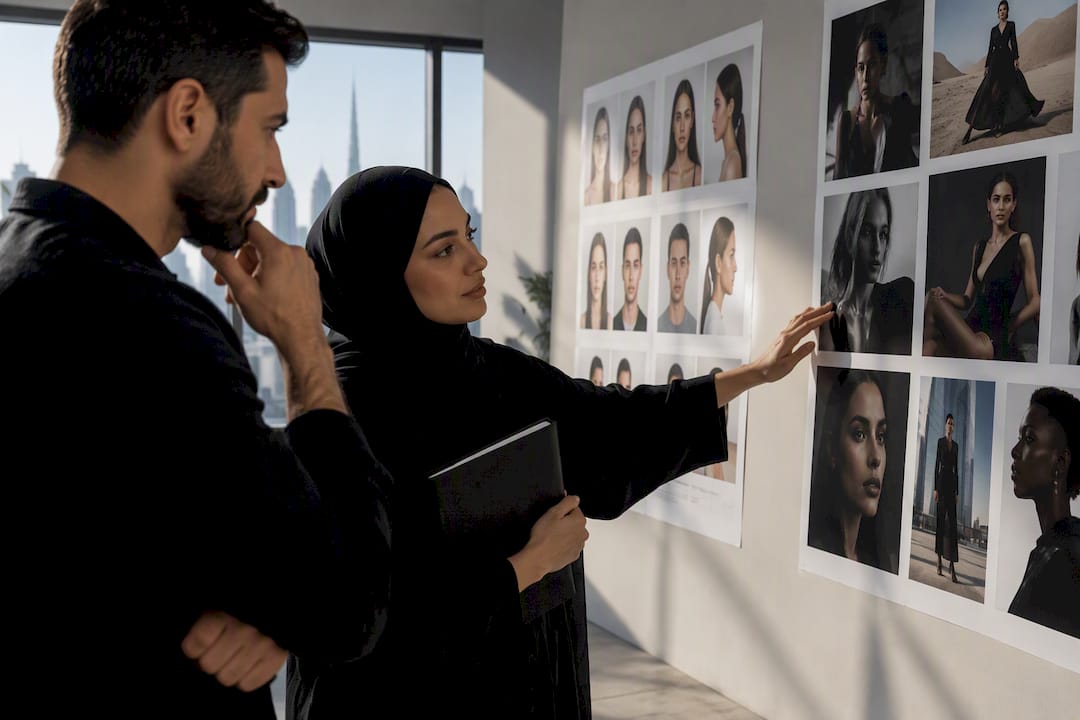
Portfolio deliverables are where a program’s substance gets tested. Expect digitals (unretouched, natural-light shots), polaroids, a composite card or “zed card,” and a set of final retouched images, usually a moderate number appropriate to the program’s length. Practical outcomes should include audition readiness and, ideally, contacts made through instructor networks. Building that image count strategically matters more than chasing a bigger number. A 10 to 15 image portfolio guide walks through what agencies actually want to see.
Pro Tip: Ask any program for alumni before-and-after examples before you enroll. A legitimate school will show you a real progression from raw casting photos to finished composite cards, not just a highlight reel of already-polished models.
How to Vet a Program Before You Pay a Deposit
Not every program with a slick website delivers what it promises. Ask these questions before signing anything.
- Is the curriculum published in writing? A reputable program lists modules, session lengths, and shoot details rather than vague promises of “personalized coaching.”
- What is the mentor-to-participant ratio? Small-cohort programs like master classes report tighter ratios, and mentorship structure directly affects how fast you improve.
- Can you see alumni portfolios or contact a past participant? Legitimate schools are rarely secretive about outcomes.
- What exactly is included in tuition, and what costs extra? Get this in writing, including cancellation and refund terms.
- Does the program address scams and professional boundaries directly? This is a strong signal the staff cares about your safety, not just your enrollment fee.
Watch for these red flags:
- Guaranteed agency placement or “signed within 90 days” promises
- Vague deliverables with no specific image count or shoot description
- High-pressure upsells during the enrollment call
- Requests for payment outside a written contract or invoice
- No visible instructor credentials or alumni work
Trust the programs that publish sample schedules, show real alumni galleries, and state their anti-scam policies outright. Model Camp Experience’s approach makes clear that legitimate programs build marketable skills and portfolios rather than guaranteeing bookings, and that distinction should shape how you read every promise a brochure makes.
Realistic Costs, Financing, and Timelines
Tuition swings widely by format, market, and what is bundled into the price. Short bootcamps tend to sit at the lower end since they compress instruction into a few days. Multi-month academies charge more, reflecting extended mentorship and multiple shoots. Boutique master classes, given their small cohorts and high-touch coaching, often land at the premium end of the range. Online courses are generally the most affordable option, though they lack a live portfolio shoot.
What is usually included:
- Group and sometimes private lessons
- A portfolio shoot with professional photography
- Hair and makeup styling for the shoot
- Studio or venue fees
Common extras to budget for separately:
- Travel and lodging for in-person programs
- Wardrobe pieces requested for specific shoot themes
- Application or submission fees if the program connects you to partner agencies
Course pages across the industry increasingly publish total hours and tuition upfront so students can compare value across formats, and that transparency is worth demanding from any program you’re considering. Financing options vary. Some programs offer payment plans or deposits with a balance due before the shoot date; always confirm the refund policy in writing before transferring money.
As for timelines, do not expect bookings the week after graduation. A bootcamp gives you a portfolio and audition readiness within days, but landing your first paid job typically takes weeks to months of active submission and networking afterward. Multi-month academies often build submission strategy into the later weeks of the program itself, shortening that gap somewhat.
Inside a Sample Bootcamp Day and a Multi-Month Rhythm
Knowing what a session actually looks like helps you separate substance from marketing language.
- Morning (bootcamp, day one): Posing fundamentals, runway walk technique, and camera-angle awareness, often broken into small groups for individual correction.
- Midday: Business seminar covering contracts, rate negotiation, and scam red flags, frequently the same content ethics-focused bootcamps build their reputation on.
- Afternoon: The portfolio photoshoot itself, using looks and poses practiced that morning, with a photographer and often a stylist on set.
- Evening or next-day session: Group review of shoot images, with instructor feedback on what worked and what to adjust for future shoots.
A multi-month program repeats a lighter version of this weekly: one or two technique classes, a mid-program shoot, and periodic one-on-one mentor reviews, with a larger final shoot near graduation.
Expect these deliverables regardless of format: digitals, polaroids, a composite card, a set of finished retouched images, and sometimes a short walk or movement clip for casting submissions. Between sessions, many programs assign practice drills, and structured posing practice between classes is often what separates someone who improves quickly from someone who plateaus.
Where ANT Management Fits Into Your Development
Training only pays off when it connects to the real casting and booking process, and that connection is where an agency perspective earns its place. ANT Management’s own resources reflect the same priorities covered above: a runway casting checklist that spells out exactly what agencies expect at a casting call, guidance on choosing between agency, freelance, or hybrid paths, and a four-week runway training breakdown built around casting readiness rather than generic technique.
ANT Camp, a talent development program, follows that same career-focused philosophy: skills coaching, portfolio support, and casting preparation designed to build a market-ready model rather than promise a guaranteed contract. The program reflects the same principle that runs through every credible option in this article: training builds marketability, and marketability builds opportunity over time.
Program highlights worth knowing before you inquire:
- Skills training grounded in runway, posing, and casting-specific technique
- Portfolio development support aligned with what agencies actually request
- Casting preparation built from real industry expectations, not generic advice
A Straight Note on Expectations
Training is an investment in skill, not a shortcut to instant bookings, and any program that implies otherwise is selling you something other than education. The models who succeed treat their portfolio as a living document, updating it as their look and skill evolve, and they network actively rather than waiting for opportunities to arrive. Combine solid training with consistent portfolio upkeep and real outreach, and the odds shift meaningfully in your favor. If you want guidance on where to start, ANT Management’s resources on casting prep and portfolio building are a reasonable next stop.
— ANT
Ready to Build a Casting-Ready Portfolio?
Talent development support, including ANT Camp, focuses on the same three pillars this article has walked through: technique training, a portfolio built for real casting rooms, and career guidance grounded in how agencies actually book talent, not on guaranteed placement promises.
Rather than leaving you with a certificate and no direction, the training connects to an active international network across Europe, the US, and Asia, so the skills you build have somewhere real to go. If you’re ready to see how your current portfolio measures up or want details on upcoming ANT Camp dates, reach out through ANT Management to request a consultation and check current program availability.
Sources
- What is Model Development and Why is it So Important? — London Model Academy
- COCO ROCHA MODEL CAMP
- Bootcamp – Model Camp Experience
- Model Boot Camp | Professionalism, Integrity and Ethics in Freelance Modeling & Contract Work
FAQ
What training do you need to become a model?
You need technique training in posing, runway, and camera awareness, plus a professional portfolio and basic business literacy around contracts and casting. Most people build this through a bootcamp or development program rather than informal practice alone, since agencies expect polished digitals and composite cards, not casual phone photos.
Is 30 too old to start modeling?
No single age disqualifies someone from modeling, since demand exists across commercial, fitness, and mature-market categories well beyond traditional runway age ranges. What matters more is matching your training and portfolio to the market segment where your look and experience are strongest.
What body type is best for modeling?
There is no single best body type. The industry spans fashion, commercial, plus-size, fitness, and specialty markets, each with different physical expectations, and a good training program helps you identify which segment fits your build and coaches your portfolio toward it.
Can a 5’7" model succeed in the industry?
Yes, particularly in commercial, fitness, print, and regional fashion markets, where height requirements are far less rigid than high-fashion runway standards. Training programs that include casting prep, like the checklist ANT Management publishes for runway casting, can help you target castings suited to your measurements.
How much does a model training program typically cost?
Costs vary widely by format. Short bootcamps generally cost less than multi-month academies, while boutique master classes with small cohorts often sit at the higher end due to the personalized mentorship involved. ANT Camp’s specific pricing details are available directly through ANT Management.