
Talent Usage Buyouts for Performers: Price Rights Before Signing

A talent usage buyout is a lump-sum payment that replaces recurring usage fees, and according to GVAA, it should be treated as a defined rental of rights rather than a blank check. The 2025 SAG-AFTRA Commercials Contracts set a 24-month maximum period of use for covered union work, which may offer a useful point of comparison when negotiating non-union terms. Before signing, ask for a defined term, a specific media list, and a named territory. We help talent push for exactly that kind of clarity at ANT MANAGEMENT.
TL;DR:
- Put media, territory, duration, exclusivity, and sublicensing limits in writing; replace perpetual language with a renewable term and a stated extension fee.
- Published 2026 guidance puts internet or social buyouts at $150 to $400, while national broadcast starts at $750 and can exceed $2,500.
- The 2025 union contract caps covered use at 24 months and sets paid YouTube rates 12% above Traditional Digital; nonunion work is not automatically covered.
- For worldwide rights, sublicensing, or broad exclusivity, price each separately against projected usage cycles; require consent and separate payment for digital replicas or secondary uses.
Table of Contents
- What separates a usage buyout from a standard usage license
- How buyouts are priced: the factors that determine value
- Step-by-step calculation: turn usage fees into an equivalent buyout
- Negotiation checklist and contract clauses to request
- Union and industry context that matters
- Deciding whether to accept a buyout, demand a renewable term, or walk away
- How talent usage buyouts impact long-term brand and talent relationships
- Differences in buyout practices across various talent categories
- Legal considerations for international and cross-border campaigns
- How buyouts affect secondary rights and content repurposing
- An editorial take on how performers underestimate buyout risk
- How we help you negotiate usage with confidence
- FAQ
- Sources
What separates a usage buyout from a standard usage license
A usage license pays per cycle, typically every 13 weeks, tied to how long and where a commercial or campaign actually runs. A buyout collapses all of that into one payment, upfront, regardless of how long the brand ends up using the work. The difference sounds small until you calculate what a brand would have paid under a cycle-based license versus what you accepted as a flat fee.
Five variables define the actual scope of any usage grant, and each one should appear in writing before you sign anything:
- Media: broadcast, streaming, social, corporate, or point-of-sale, each carrying different value.
- Territory: a single market, a region, or worldwide rights.
- Duration: a fixed term, a renewable window, or an undefined span.
- Exclusivity: whether you are blocked from competing brands, and in which product category.
- Sublicensing: whether the buyer can resell or hand off your likeness to a third party.
Brands often write “in perpetuity” into a brief because it is easier for their legal team to draft once and forget, not because the actual campaign will run forever. GVAA frames this plainly: a buyout should still be defined by media, market, and duration, even when the payment structure is a single lump sum. Accepting an undefined term means accepting that your face, voice, or performance could resurface in a campaign five years from now with no further payment and no say in where it appears.
How buyouts are priced: the factors that determine value
Pricing a buyout is less about the performance itself and more about how widely and how long the brand intends to use it. The same spot can have very different value depending on the answers to a handful of questions.
- Media type: broadcast, streaming, and paid social each carry separate rate tiers.
- Territory: local, national, or worldwide rights multiply the base rate.
- Duration: a shorter cycle versus a longer term changes the math entirely.
- Exclusivity: a category lock, such as being unavailable to competing automotive brands, commands a premium.
- Sublicensing: the right to hand your content to a third party adds separate value.
- Role weight: featured performers whose likeness becomes associated with the brand earn more than background talent.
Union signals matter here too. The 2025 SAG-AFTRA Commercials Contracts created distinct digital tiers, Traditional Digital and Digital Plus among them, with paid YouTube placements now carrying a 12% increase over Traditional Digital rates, a signal that platform choice alone can shift a fee meaningfully. Non-union work does not carry these formal tiers, but the same logic applies informally: a brand running your image on paid social ads should pay more than one using it on an owned, unpromoted channel.
Rate spreads illustrate how wide this gets. Published non-union guidance from Take One’s 2026 rate guide puts an internet or social buyout between $150 and $400, while a national broadcast buyout runs $750 to $2,500 or more. That gap exists because national broadcast reaches a far larger audience for a far longer stretch, and the fee should reflect that exposure.
Step-by-step calculation: turn usage fees into an equivalent buyout
A defensible buyout number starts with usage fees, not a guess pulled from thin air. Here is a reproducible method.
- Start with your baseline. Pull a session fee and a per-cycle usage fee from a current rate guide. Take One’s 2026 guide lists an internet or social buyout range of $150 to $400 as a non-union starting point, with regional broadcast running $350 to $750.
- Project the fee over the buyer’s real timeline. If a brand wants worldwide digital rights for 24 months, which is now the maximum period of use under the 2025 SAG-AFTRA Commercials Contracts, multiply your per-cycle rate across that full span rather than accepting a single flat number for an undefined term.
- Scale for territory and sublicensing. Worldwide rights and sublicensable clauses increase the correct rate relative to a single-territory deal, since the buyer gains the ability to use or resell your performance across multiple markets, a point cross-border rate analysis backs up directly.
- Add a premium for exclusivity or featured status. A category exclusivity clause or a featured, on-camera role both justify a separate line item above the base usage fee.
A worked example makes the gap visible. Say a brand wants a simple social media buyout for a single platform in one territory: using the $150 to $400 range from Take One, a fair quote sits inside that band. Now say the same brand wants worldwide digital rights for 24 months with sublicensing included. Treat the agreed window as a series of usage cycles rather than one flat session, apply a worldwide multiplier for territory, and add a sublicensing premium on top. The resulting buyout should land well above the single-market social rate, often several multiples higher, because the brand is buying years of reach across every market it operates in, not a few weeks on one feed.
The math will never produce an identical number for every performer, since reach, platform mix, and category all shift the final figure. What it produces instead is a defensible starting point you can explain line by line if a client pushes back.
Negotiation checklist and contract clauses to request
Before you quote a number, get answers to six questions in writing: which media, which territory, how long, whether sublicensing is included, whether exclusivity applies, and whether you retain any audit or reporting rights if the campaign’s scope changes later.
Specific clauses worth requesting:
- A renewable term with a stated extension fee, instead of an open-ended or perpetual grant.
- A territory limit naming the exact countries or regions covered.
- A sublicensing restriction that requires separate consent and separate payment before a third party gets access.
- Digital replica consent language, confirming your likeness cannot be used to train or generate synthetic versions of your performance without explicit agreement and compensation.
- A narrow exclusivity definition, limited to a named product category rather than an entire industry.
On tactics, separate your session fee from your usage fee in every negotiation, since combining them hides how much you are actually being paid for the rights themselves. Quote slightly above your target number so you have room to concede without landing below your floor, and always require the final scope in writing before delivery, never on a verbal assurance.
Agencies that negotiate these terms daily tend to separate session fees from usage as a matter of course, and that same line-item approach extends to talent rate negotiations built around BATNA principles rather than accepting the first number offered.
Pro Tip: Ask for the brief in writing before quoting anything, since a vague verbal description of “digital use” can mean a single Instagram post or a year of paid social ads across three continents.
Union and industry context that matters
The 2025 SAG-AFTRA Commercials Contracts reshaped how digital usage gets priced, and the changes apply whether or not you work union jobs, because they set the reference point brands and agencies negotiate against.
- Maximum period of use extended to 24 months under the contract, rather than treating that term as a universal rule for all digital use.
- New digital tiers, Traditional Digital and Digital Plus, that separate owned-channel use from paid placement.
- A paid YouTube premium, set at 12% above Traditional Digital rates, according to the SAG-AFTRA ratification booklet.
- Mandatory digital replica consent, meaning a synthetic or AI-generated version of a performer’s likeness cannot be created or used without explicit agreement, and such use triggers a separate payment.
- Session and use payments for replicas set at 1.5 times the standard session fee plus applicable holding fees, according to the Joint Policy Committee’s summary of the agreement.
For performers covered by the contract, its applicable terms set minimums a producer cannot negotiate below. For non-union performers, they can serve as a negotiating reference: a performer may request comparable limits and consent terms, while recognizing that union contract provisions do not automatically apply to non-union work. When a contract mentions AI, synthetic performers, or digital replicas in any form, that is the moment to consult union resources directly or bring in legal counsel before signing.
Deciding whether to accept a buyout, demand a renewable term, or walk away
Run through five questions before answering any buyout offer: How visible is this role, lead, featured, or background? How wide is the campaign’s reach, local or global? Does the exclusivity clause block you from other category work you are counting on? Can you realistically monetize a renewal later if you refuse the buyout now? And does the fee on the table match what a TV & streaming commercial production guidance would suggest about what a cycle-based calculation would produce over the brand’s real timeline?
A renewable, defined term with a stated extension fee beats a perpetual buyout in nearly every case, because it preserves your ability to renegotiate if the campaign succeeds or if your rates rise.
Three quick scenarios:
- A featured role in a national campaign with worldwide digital rights: push hard for a 24-month cap and an extension fee rather than accepting perpetual terms outright.
- A background role in a single-market social post: a modest flat buyout is often reasonable, since reach and exclusivity risk are both low.
- An exclusivity clause spanning an entire industry rather than one category: this is a walk-away point unless the fee reflects the full category lockout.
How talent usage buyouts impact long-term brand and talent relationships
A buyout settled fairly tends to open the door to repeat work, since the performer walks away feeling the brand respected the actual value of continued exposure. A buyout settled through pressure or vague terms tends to do the opposite: performers remember being underpaid for extended use, and that memory shapes whether they say yes the next time the same brand calls.
Brands that want long-term access to a performer’s image, voice, or likeness benefit from treating that first buyout as the start of a relationship rather than a one-time transaction. A renewable term with a clear extension fee gives both sides a reason to come back to the table instead of quietly parting ways after one campaign. Performers who feel their usage terms were handled transparently are also more likely to agree to expanded scope later, whether that means new markets, new media, or a longer run.
The reverse holds just as clearly. A performer who discovers their likeness ran far longer or wider than agreed, with no further payment, rarely returns for a second project, and word travels fast within tight talent and agency networks. Clear terms up front protect the brand’s future access to talent just as much as they protect the performer’s earnings.

Differences in buyout practices across various talent categories
Models, influencers, sports talents, and creatives each negotiate buyouts under different pressures, shaped by how their image gets used and how long it stays relevant.
Models typically see usage tied closely to media and territory, since a print campaign in one market carries different value than a worldwide digital buyout, and agencies price that usage around those same factors: media, territory, duration, and exclusivity.
Influencers operate differently, since brands often want to repurpose a creator’s own content across the brand’s channels, not just license a single shoot. That reuse, sometimes called whitelisting or content repurposing, needs its own clause distinct from a standard appearance fee, and overpaying on influencer usage rights by 50% to 100% extra is a documented risk when that clause gets skipped.
Sports talents frequently negotiate around seasonal windows and endorsement exclusivity tied to a league or sponsor category, while creatives such as photographers and stylists more often negotiate ownership of the work itself alongside usage, since their contribution is the asset rather than their likeness.
Legal considerations for international and cross-border campaigns
Cross-border campaigns complicate buyouts because territory and sublicensing both carry more weight once multiple jurisdictions enter the picture. A worldwide rights grant is not a single transaction; it is effectively several territorial licenses bundled into one, and cross-border rate practice confirms that worldwide and sublicensable terms should carry a multiplier over single-market deals, not a flat fee.
Performers working across borders should also confirm which country’s contract law governs the agreement, since protections around image rights, consent, and compensation vary by jurisdiction and are not interchangeable. A clause that satisfies union minimums in one market may fall short of a different country’s legal requirements for likeness use or data protection tied to digital replicas. When a campaign spans multiple countries, request a plain statement of which territories are included by name rather than accepting “international” or “global” as a standalone term, since those words carry no fixed legal meaning on their own.
How buyouts affect secondary rights and content repurposing
A buyout for the original use does not automatically cover every way a brand might later repurpose that content. Secondary rights, such as a brand pulling frames from a commercial to use in a trade show display, or repurposing an influencer’s sponsored post as a paid ad, require their own explicit grant.
This is where content creator contracts matter most, since many creators report brands reusing content across new channels without a corresponding payment. A sublicensing clause that is vague about secondary use effectively hands the brand an open door to repurpose a single piece of content indefinitely, across formats never discussed in the original brief.
The fix is the same principle that governs the primary buyout: name the specific additional uses a brand might want, such as paid ad conversion, trade show display, or packaging, and price each one separately rather than bundling unlimited repurposing into a single flat fee.
An editorial take on how performers underestimate buyout risk
The conventional advice around buyouts treats them as a simple trade: a bigger number now in exchange for giving up future payments. That framing misses the real risk, which is not the size of the check but the size of the blank space left in the contract. A performer who accepts $500 for “digital use” with no stated term, no named territory, and no sublicensing limit has not made a bad financial decision necessarily; they have made an unmeasurable one, since nobody, including the brand’s own legal team, can say with certainty how far that grant extends five years later.
What gets underestimated most is how cheap it is for a brand to add clarity and how expensive it is for a performer to lack it. A clearly defined term costs a brand little to write into a contract, yet its absence can leave a performer exposed to unpaid reuse. The real negotiation is not about the number on the check. It is about whether that check buys a specific, bounded thing or an undefined one that the performer has no way to later price, audit, or reclaim.
— ANT
How we help you negotiate usage with confidence
We built ANT MANAGEMENT around the idea that a booking should never leave you guessing what you signed away. We push for the same clarity this guide recommends: named media, named territory, a defined term, and sublicensing terms spelled out before anyone signs.
Our services cover the full range of what a buyout negotiation touches:
- Talent booking and influencer marketing across our international network.
- Sports talent booking and creatives booking, including full production crews.
- Portfolio development and ANT Camp training to help talent prepare for the kind of productions that come with usage negotiations.
If you have a buyout offer on the table and want a second set of eyes on the terms, reach out through our main services page and we will walk through the scope with you before you sign anything.
FAQ
What does “usage buyout” mean?
A usage buyout is a single lump-sum payment that replaces recurring, cycle-based usage fees for using a performer’s image, voice, or likeness. Instead of paying every 13 weeks the campaign runs, the brand pays once upfront, which makes defining the media, territory, and duration in writing essential.
How does a talent agency get paid?
Agencies typically earn a fee tied to each booking they negotiate, separating the performer’s session fee from the usage fee so both sides understand exactly what each payment covers. This structure, common across agency-negotiated bookings, makes it easier to calculate whether a buyout offer matches fair usage value.
What does it mean for a company to offer buyouts?
When a company offers a buyout, it is proposing to pay one flat fee instead of ongoing usage payments tied to how long or widely it runs the content. The fairness of that offer depends entirely on whether the fee reflects a realistic projection of usage fees over the brand’s actual intended timeline, a calculation GVAA recommends running before accepting any flat number.
How much does a commercial actor make per commercial?
Rates vary enormously based on media, territory, duration, and exclusivity, with non-union internet or social buyouts starting around $150 to $400 and national broadcast buyouts reaching $750 to $2,500 or more, according to published 2026 rate guidance. Union work adds use payments on top of session fees, with terms shaped by the applicable contract, including the 2025 SAG-AFTRA Commercials Contracts.
When should I consult a lawyer about a buyout contract?
Consult legal counsel or union resources whenever a contract mentions perpetual use, digital replicas, AI-generated likeness, or sublicensing to third parties, since these terms carry long-term consequences beyond the immediate fee. SAG-AFTRA’s 2025 contract materials are a useful starting reference even for non-union performers facing similar clauses.
Sources
- Rates & Negotiation - GVAA
- Voice Over Rates: What to Charge in 2026 | Take One
- Sagaftra
- 2025 SAG-AFTRA Commercials Contracts MOAs Transform in the Digital Age
Recommended
Planning a shoot in Kuwait?
Prefer to book on your phone?
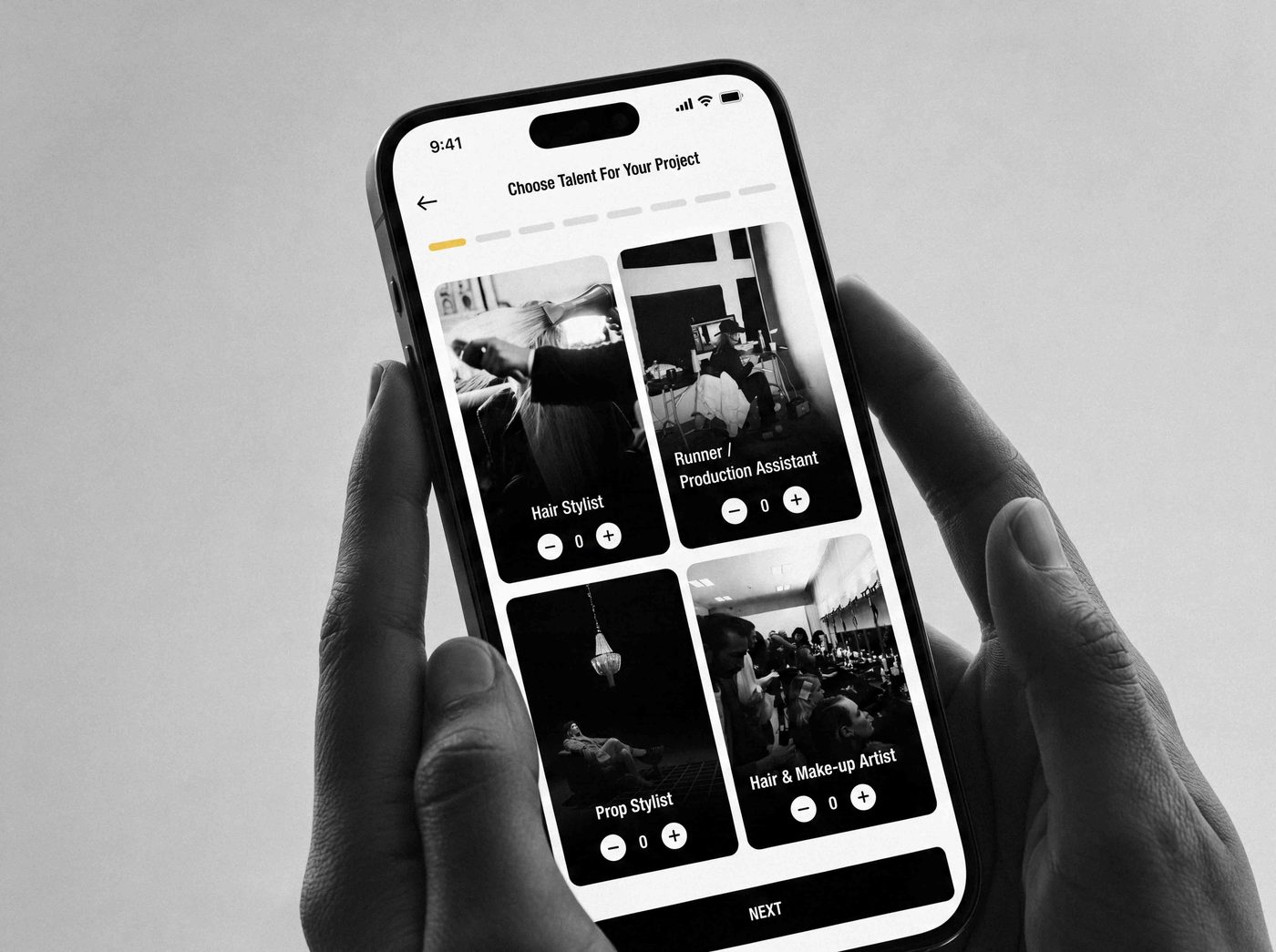
Post a job on the ANT Talent App and let approved talent come to you.
- Every profile approved by ANT
- Chat with talent in the app
- Payment held until the job is done

Free on iPhone
- 5.0on Google, 200+ reviews
- Since 2022modelling and talent agency
- Worldwideshoots, events and shows anywhere
- Licensed in Dubai. See our licence and booking terms