
Usage Rights Buyouts: What You Are Really Buying

A usage rights buyout is a one-time payment that lets a brand use creative work, whether a model’s image, a creator’s video or a photographer’s campaign set, far beyond the original term, channels or territory. Sometimes it is a broad, long-running license. Sometimes it is a true transfer of copyright. The word alone does not say which, and that gap is where most disputes begin.
TL;DR
- “Buyout” is a label, not a legal structure. Music Creators North America identifies at least four materially different transactions that are called buyouts, so the contract must state exactly what transfers.
- A license grants permission for a defined media, term and territory. A buyout trades that structure for a single fee and fewer limits. Choose by campaign, not by habit.
- Whitelisting, meaning paid ads run through a creator’s handle, is a separate right and should be priced and time-boxed on its own.
- A talent buyout does not clear music, locations, logos or other contributors’ work. Each layer needs its own clearance.
- Price the rights you need now, then price the extension you may need later, before signing.
Table of Contents
- Two Structures Behind One Word
- Buyout vs Licensing: How to Decide
- What the Creator Gives Up
- Whitelisting Is Its Own Right
- Disclosure Does Not Expire With the Post
- Clauses That Make a Buyout Worth Signing
- Buyouts Across a Production: Models, Kids, Hostesses and Crew
- Our Perspective
- Booking Talent With the Rights Settled
- FAQ
- Sources
Two Structures Behind One Word
The editorial logic of a campaign is built on image: a face, a gesture, a frame set in motion. The legal logic beneath it is quieter, and it decides who may keep that image moving once the shoot wraps.
Two structures are commonly confused.
A project buyout (or direct license). Per the Music Creators North America framework, this is generally a one-time, all-in fee for specified project uses, often perpetual, while the creator retains the copyright.
A full copyright buyout. Here the copyright itself passes to the buyer. The creator no longer controls the work.

The practical consequence: “all rights,” “buyout” and “ownership transfer” are not synonyms. A clause should say what moves, in which media, for how long and where. One practitioner’s summary of likeness law, from Outside IP Counsel, is that a creator signing a brand deal is licensing the right to control name, image, voice and persona, not selling it outright.
Law varies by country. In the United States, ownership and assignment turn on written agreements and, for employees versus contractors, on specific rules. The same logic does not apply everywhere: one European production guide notes that under German law the makers of a film keep the copyright and cannot sell it, so what a client receives is a right of use. If you work across borders, treat every jurisdiction as its own question and ask counsel.
Buyout vs Licensing: How to Decide
The difference is easiest to see as renting versus selling. A brand-collaboration guide from CatCoq frames licensing as renting out a house and a buyout as selling it. Both can be right. The question is what the campaign will actually need.
| Factor | Time-limited license | Broad buyout |
|---|---|---|
| Fee structure | Lower upfront, fees recur on renewal | Higher upfront, one payment |
| Term | Defined (for example 3, 6 or 12 months) | Often perpetual |
| Exclusivity | Usually non-exclusive | Often exclusive or category-exclusive |
| Flexibility | Renew, expand or change talent later | Locked in, with fewer future costs |
| Best for | Testable, seasonal or evolving campaigns | Long-term brand identity, repeated global use |
| Main risk | Takedown if use outruns the term | Overpaying for rights never used |
The research points one way on defaults. Contract guidance favors a non-exclusive, time-limited license over a perpetual full buyout, with perpetual or exclusive rights written and paid for separately. A 12-month term is a common example, not a standard. Term, territory and media should follow the real campaign.
A buyout earns its premium when permanent exclusivity, a long-lived brand identity or repeated global exploitation justifies paying for the licensing opportunities the creator gives up. For a flexible comparison of time-limited and perpetual approaches by duration and scale, this overview of branded video content and when to use it is a useful companion.
One caution on economics. “Perpetual” is not automatically cheaper. Compare the single fee against expected renewals, territory expansion, paid-media extensions and the cost of replacing talent and clearing new work if the license lapses.
What the Creator Gives Up
CISAC describes a buyout as replacing a continuing earning stream with a one-off payment, one that can narrow a creator’s freedom to negotiate later, especially where large users impose broad terms. A European Parliament study from 2023754184_EN.pdf) examines platform buyouts as bargaining and remuneration structures, and it is EU-focused, so it should not be read as a statement of U.S. law.
Why this matters to a brand: a creator or model who feels underpaid is a creator who may decline the next campaign. A fair structure protects the relationship as well as the asset.
The cost of extensions is where this becomes concrete. Take the worked example from Rewritable: a creator is paid $5,000 for sponsored content with a 6-month usage period, and the brand later offers $800 to extend for another year. That is about 16% of the original rate for double the time. Offers like that tend to be refused, and they signal a brand that did not plan its rights at the start.

Whitelisting Is Its Own Right
Reposting a creator’s video on the brand’s channels is one thing. Whitelisting is another: paid amplification through the creator’s account, so the ad appears under the creator’s identity. Rights counsel treats it as media buying conducted through a person’s identity, which is why it merits a clause of its own rather than a line inside “social usage.”
That clause should cover:
- the platforms involved (Meta/Instagram, TikTok, YouTube) and the fact that platform authorization is completed by the creator, separately from the contract;
- an ad-flight limit and a spend ceiling;
- approval rules for edits and targeting;
- expiry and revocation of handle access;
- who carries disclosure responsibility.
For a fuller treatment, see our whitelisting playbook.
Disclosure Does Not Expire With the Post
In the United States, the FTC’s Endorsement Guides, revised in 2023, expect a paid or otherwise material connection to be disclosed clearly and conspicuously. When creator content is repurposed into paid ads or whitelisted placements, that obligation travels with it. A disclosure placed in a caption can vanish when a video is cropped or reformatted, so the contract should require that it survive format changes. Brands operating outside the U.S. must check local advertising and consumer-protection rules too.
Clauses That Make a Buyout Worth Signing
The best-prepared teams map the rights first and price them second. Before any fee is agreed, the agreement should answer the following.
- What transfers? A license, a project buyout or an assignment of copyright. Name it plainly.
- Which media? Organic social, paid social, out-of-home, broadcast, retail, packaging, in-store screens.
- Which territory? One country, a region or worldwide.
- How long? A fixed term with a stated renewal price, or perpetual, which should be paid for as such.
- Exclusivity. Which categories or competitors are barred, and for how long.
- Editing and derivatives. May the brand cut, retouch, translate or re-style the work? Likeness edits carry particular sensitivity.
- Sublicensing. May agencies, retailers or distributors use the assets?
- Account access. May the brand run ads through the creator’s handle?
A written grant that does not spell out a use leaves that use unauthorized. Silence rarely favors the buyer.
Buyouts Across a Production: Models, Kids, Hostesses and Crew
The usage fee is only one layer. Models, children, hostesses, influencers, photographers, videographers, stylists and stunt professionals each bring work or likeness into the final piece. As the European Parliament study754184_EN.pdf) context makes clear, a talent buyout cannot automatically clear third-party rights, so a production must identify every contributor whose work appears: music, stock footage, locations, logos, choreography, styling and post-production.
A practical sequence:
- List every element on screen and in the soundtrack.
- Mark who owns or controls each.
- Confirm each grant matches the media and term you intend.
- Keep the paper trail with the asset, so a future team can see what was cleared.
For model work, our guide on how agencies price model usage rights walks through the pricing factors. For performers, see talent usage buyouts. For video, video usage rights for brands and creators covers how takedowns happen and how to avoid them.
Our Perspective
At ANT Management, we work with brands, event organizers and marketers who book fashion and commercial models, kids, influencers, hostesses, photographers, videographers, stylists and stunt coordinators. The same pattern appears across all of them: the booking is rarely the hard part. The hard part is the sentence that decides what happens to the work afterward.
We lean toward a defined license as the starting point, with extensions priced and written in advance. It preserves options for both sides. The brand can renew what performs, and the talent is not unintentionally locked into perpetual exclusivity. A buyout belongs where a brand genuinely needs permanence, and then it should be named, scoped and paid as one.
We also treat rights as part of the briefing, not an afterthought. Our work covers talent selection, coordination and briefing, and professional advice and preparation for productions, and usage terms belong in that conversation before the first frame is shot. This article is general information, not legal advice. For a specific contract, especially one involving copyright assignment, minors or cross-border use, consult an attorney.
— ANT
Booking Talent With the Rights Settled
If you are planning a campaign and want usage terms agreed alongside casting, talk to ANT about booking talent. For creator-led campaigns, our influencer marketing service pairs selection with briefing. Our booking terms, including overtime, cancellation and late payment fees, are published on the booking page.
FAQ
What is the difference between a buyout and a license?
A license grants permission to use work under stated conditions, such as media, term and territory, while the creator keeps ownership. A buyout trades those conditions for a single fee and broader or perpetual use. Because “buyout” can also mean a full copyright transfer, the contract must say which one applies.
How much should usage rights cost?
There is no universal figure. Price depends on media, term, territory, exclusivity and whether paid amplification is included. Our guide to negotiating content creator contracts discusses how usage fees are commonly structured as a share of the base fee.
What is the difference between paid usage rights and whitelisting?
Paid usage rights let a brand run creator content as advertising on the brand’s own channels. Whitelisting runs that advertising through the creator’s own handle, which requires platform-level authorization from the creator. It should be separately priced and time-boxed.
Does a buyout mean the brand owns the copyright?
Not necessarily. A project buyout often gives broad, even perpetual, use while the creator keeps the copyright. Only a copyright assignment transfers ownership, and it should be stated explicitly. Rules differ by country, so check the law that governs your contract.
Do FTC disclosure rules still apply when content becomes an ad?
In the United States, yes. A material connection must still be disclosed clearly and conspicuously when content is repurposed into paid placements. Contracts should require that the disclosure survive crops, captions and format changes.
Sources
- Defining, understanding and evaluating the concept of buyouts, Music Creators North America
- Copyright Buyouts, CISAC
- European Parliament study (2023)754184_EN.pdf)
- Influencer & Creator Likeness Rights, Outside IP Counsel
- Guides Concerning the Use of Endorsements and Testimonials in Advertising, Federal Register
- Usage Buyouts and Extensions, Rewritable
- Art Licensing vs Buyouts, CatCoq
- Who owns your company video?, myCreativePro
- Influencer marketing agreement guide, Clickanalytic
Recommended
Planning a shoot in Kuwait?
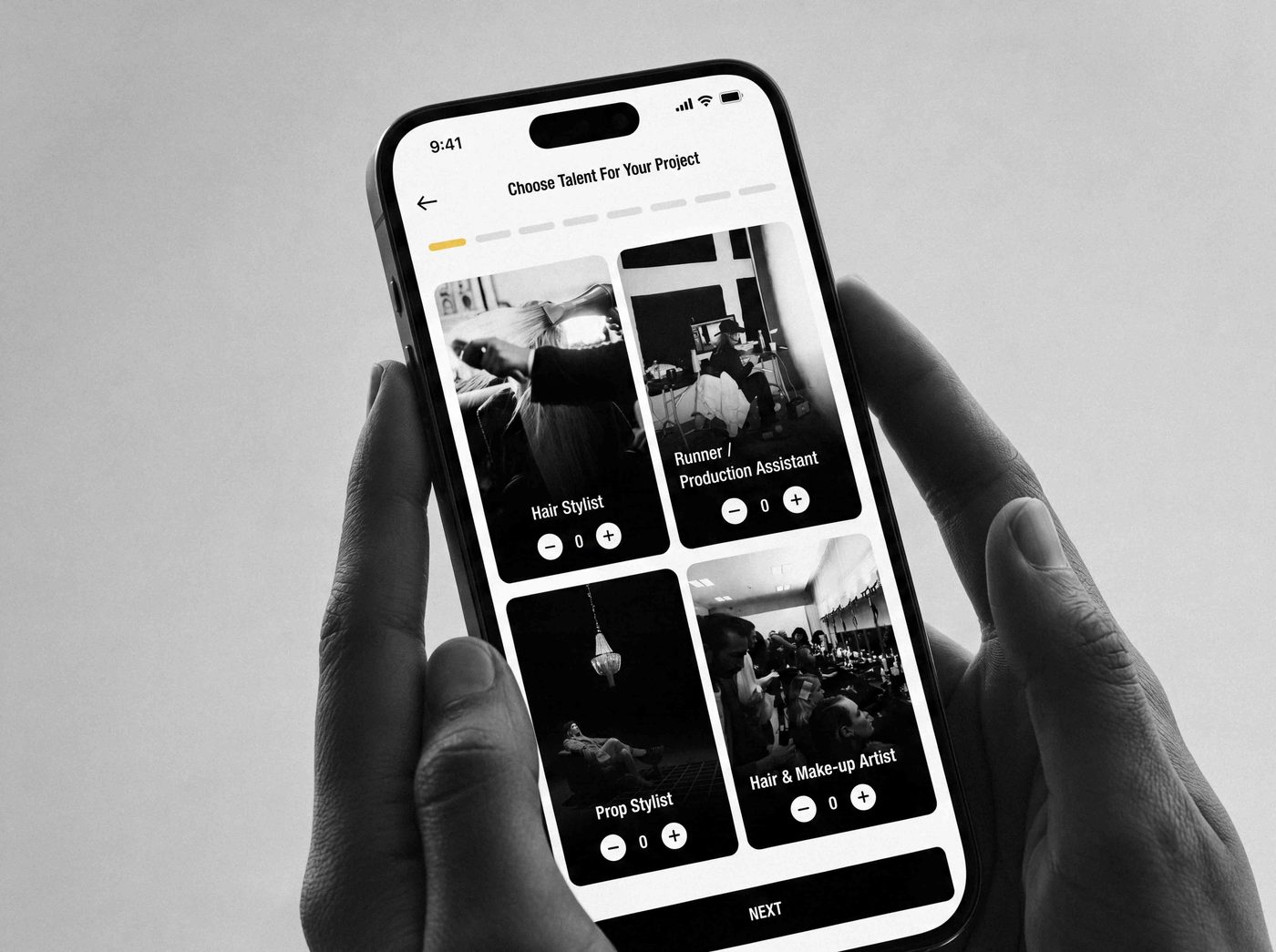
Prefer to book on your phone?
Post a job on the ANT Talent App and let approved talent come to you.
- Every profile approved by ANT
- Chat with talent in the app
- Payment held until the job is done

Free on iPhone
- 5.0on Google, 200+ reviews
- Since 2022modelling and talent agency
- Worldwideshoots, events and shows anywhere
- Licensed in Dubai. See our licence and booking terms