
6 Fields Every Styling Brief Needs for Brands and Crews, With Template

A styling brief is the document that translates creative intent into wardrobe, hair, makeup, accessories and overall look for every shot on a production. It keeps a stylist, a photographer and a brand representative working from the same page rather than improvising on set, and it saves hours that a shoot day never has to spare. Below, we lay out the elements, the workflow, a copy-paste template and a checklist that brands, photographers, stylists and production teams can put to use immediately.
TL;DR:
- Organize each look by shot, pairing wardrobe with hair, makeup, accessories, reference images, fit notes, and clearance guidance for branded pieces.
- Keep revisions in an editable draft, track versions, secure brand and creative director approval before fittings, then distribute a locked PDF to crew and talent.
- Set fittings early enough to leave one buffer day before wardrobe lock, pack garments by shot number, and match logistics to the call sheet.
- Log every on set wardrobe change against its shot number immediately, and get approval for replacement garments or substitutions affecting usage or clearance before filming.
Table of Contents
- Core elements every styling brief should contain
- How to write, revise and sign off a styling brief
- Copy-paste styling brief template and on-the-day checklist
- Roles and responsibilities tied to the brief
- Logistics, timeline and how the brief maps to production
- On-set changes, troubleshooting and the emergency kit
- ANT’s perspective on why standard briefs change production outcomes
- How ANT MANAGEMENT supports talent and briefing on set
- FAQ
Core elements every styling brief should contain
A styling brief earns its place on set only when it answers the questions a stylist would otherwise ask minute by minute. The strongest briefs break wardrobe down shot by shot or scene by scene, pairing each look with hair and makeup direction and a note on which accessories or props belong in frame.
Reference imagery does the heaviest lifting. A moodboard link, a color palette and exact fit or sizing notes remove the guesswork that costs time at the rail, and pairing the brief with campaign moodboard examples gives a production team a concrete sense of how references should be organized before the shoot date.
Logistics fields belong in the same document rather than scattered across email threads: call times, fitting appointments, pickup and drop-off points, and a contact list that reaches every stakeholder without delay. Continuity notes, garment labeling and return instructions prevent a look from drifting between setups or vanishing after wrap.
A single integrated note on usage and clearance, covering how wardrobe, logos and branded pieces may appear across the final deliverables, keeps legal exposure contained without needing its own document. A complete brief typically includes:
- Wardrobe breakdown organized by shot or scene, with hair and makeup direction attached to each
- Accessories, props and any branded items, flagged where usage or clearance applies
- Reference images, moodboard links and an agreed color palette
- Fit and sizing notes drawn from fittings or model digitals
- Call times, fitting windows, transport details and a full contact list
- Continuity, labeling and storage or return instructions for every garment
How to write, revise and sign off a styling brief
Writing a styling brief works best as a sequence rather than a single sitting. A stylist or styling lead usually drafts it, pulling inputs from the creative brief, the shot list, the moodboard and the model’s digitals so that wardrobe choices trace back to an agreed creative direction rather than personal preference.
- Gather inputs: the creative brief, shot list, moodboard, and model or talent digitals, including sizing.
- Draft the brief in an editable document so changes stay easy to track before the design locks.
- Circulate for review to the stylist, creative director, brand representative and production coordinator.
- Mark revisions with a simple versioning suffix (v1, v2, v3) so nobody works from an outdated draft.
- Confirm sign-off from the brand representative and creative director before fittings are booked.
- Convert the approved version to PDF for distribution to the full crew and talent.
- Run a final pre-shoot review against the call sheet, checking wardrobe, accessories and contact details one more time.
Hosting matters as much as drafting. Keep the working draft in an editable format while it moves through revisions, then distribute a locked PDF once sign-off is complete, since a PDF resists accidental edits on set. File names should carry the project, the date and the version number so anyone opening a folder mid-shoot finds the current brief without asking.
Pro Tip: Name files with project, date and version together, like ProjectName_2026-03-10_v2, so the crew never works from a stale draft.
A short checklist before the shoot catches what a busy inbox misses: confirm every stakeholder has signed off, confirm the moodboard links still resolve, and confirm sizing notes match the most recent fitting rather than an earlier one.

Copy-paste styling brief template and on-the-day checklist
A template earns its keep when it is specific enough to fill in without a meeting. The fields below cover what a production team needs from first draft to wrap.
- Project title, date and location, plus a full contact list for stylist, photographer, production coordinator and brand representative
- Looks by shot, with wardrobe, hair, makeup and accessories listed against each shot number
- Fitting schedule noting dates, sizes confirmed and any outstanding alterations
- Continuity notes for recurring looks across multiple shots or scenes
- Logistics: transport windows, pickup and drop-off points, call times
- Attachments: moodboard links, reference images and the approved color palette
For the shoot day itself, a one-column checklist works better than the full brief: garments steamed and labeled, accessories packed, fitting notes on hand, emergency kit present, and contact list printed or saved offline.
The same template adapts across formats with small adjustments. A runway brief leans harder on fitting windows and model expectations, which our runway casting checklist covers in more detail, while an influencer or creator shoot borrows structure from a creator brief built around a single talent rather than a cast.
Roles and responsibilities tied to the brief
Clear ownership of each brief item prevents the kind of last-minute confusion that eats into a shoot day. A stylist typically owns sourcing, drafting the brief itself, running fittings and recording fit notes, work our post on what a stylist does on a photo shoot breaks down further.
A wardrobe assistant handles the physical side: prepping garments, steaming, labeling and arranging transport to set. A production coordinator owns logistics broadly, from call sheets to pickups and returns, while a photographer or director focuses on how each look reads through the lens and a brand representative confirms the look matches brand intent.
- Stylist: sourcing, drafting the brief, fittings and fit notes
- Wardrobe assistant: prep, steaming, labeling and transport
- Production coordinator: logistics, call sheets, pickups and returns
- Photographer, director and brand representative: creative approval and final look confirmation
- Talent: arriving with agreed-upon basics, undergarments and grooming as specified in the brief
Logistics, timeline and how the brief maps to production
A styling brief only works when its timing lines up with the production schedule, not just its content. Fitting windows need a firm deadline well before the shoot date, since wardrobe lock late in the process tends to cascade into rushed alterations.
- Set a fitting deadline that allows at least one buffer day before wardrobe lock.
- Pack and label garments by shot number, not by garment type, so the rail matches the shot list.
- Confirm transport windows and pickup or drop-off points against the call sheet, not a separate email.
- Build in contingency time for alterations, traffic or a late delivery from a vendor.
- Cross-check every brief logistics field against the call sheet the night before the shoot.
The most common timing pitfall is treating the brief and the call sheet as separate documents that happen to agree. They should be built side by side, with the same call times and contact list repeated in both, so a last-minute change only needs to be made once.
On-set changes, troubleshooting and the emergency kit
Even a well-built brief meets surprises on set: a torn hem, a missing accessory, a size that no longer fits after a fitting weeks earlier. The fix is a clear logging habit, not improvisation. Every change gets noted against the shot number in real time, then relayed to the stylist and production coordinator so the brief reflects what actually happened, not just what was planned.
- Log every wardrobe change against its shot number as it happens
- Keep a sewing kit, fabric tape, fashion adhesive, stain remover and a few spare basics on hand
- Escalate anything requiring a replacement garment to the production coordinator and brand representative for approval
- Flag any substitution that affects usage or clearance before it goes in front of camera
Pro Tip: Store the emergency kit in a single clear pouch inside the wardrobe case so anyone on the team can grab it without searching.
ANT’s perspective on why standard briefs change production outcomes
A styling brief functions like a score before a performance: it does not replace the stylist’s instinct, but it gives the whole crew a shared rhythm to move within. A template, filled in consistently, can cut the back-and-forth that otherwise fills the hours before a call time. Our posts on the two-page creative brief and casting preparation sit alongside this guide as companion reading for teams building their own production documents.
— ANT
How ANT MANAGEMENT supports talent and briefing on set
Services include talent booking, support drafting a styling brief, and coordination that carries a project from fitting through wrap. The network spans fashion and commercial models, influencers, creatives and full production crews, curated for the look a shoot actually needs.
- Talent booking across fashion, commercial and influencer divisions
- Styling and production coordination support from brief to wrap
- Sports talent, stunts and full crew booking for larger productions
For current pricing and service details, visit the agency’s website.
Visit ANT Management to talk through a production and see how our talent and coordination support fits your next shoot.
FAQ
What should a styling brief always include?
A styling brief should cover wardrobe by shot, hair and makeup direction, accessories and props, reference images, fit and sizing notes, and logistics such as call times and contact details. A short note on usage and clearance for branded items keeps the document complete without needing a separate file.
Who is responsible for writing the styling brief?
A stylist usually drafts the brief using inputs from the creative brief, shot list, moodboard and model digitals, then circulates it for approval. Our breakdown of what a stylist does on a photo shoot covers how that drafting role fits alongside wardrobe assistants and production coordinators.
How is a styling brief different from a creative brief?
A creative brief sets the overall concept, goals and visual direction for a shoot, while a styling brief translates that direction into specific wardrobe, hair, makeup and accessory instructions for each shot. Our guide to a two-page creative brief shows how the two documents work together rather than overlap.
What file format should a styling brief be shared in?
An editable document works best while the brief is still in draft and moving through revisions, since changes stay easy to track. A locked PDF is the better choice once sign-off is complete, because it resists accidental edits once the crew is working from it on set.
Can the same template work for a runway show and an e-commerce shoot?
Yes, the same core fields adapt across formats with small adjustments to emphasis. A runway brief leans on fitting windows and model expectations, detailed in our runway casting checklist, while an e-commerce or influencer shoot often simplifies the cast size and borrows structure from a creator brief.
Recommended
Planning a shoot in Qatar?
Prefer to book on your phone?
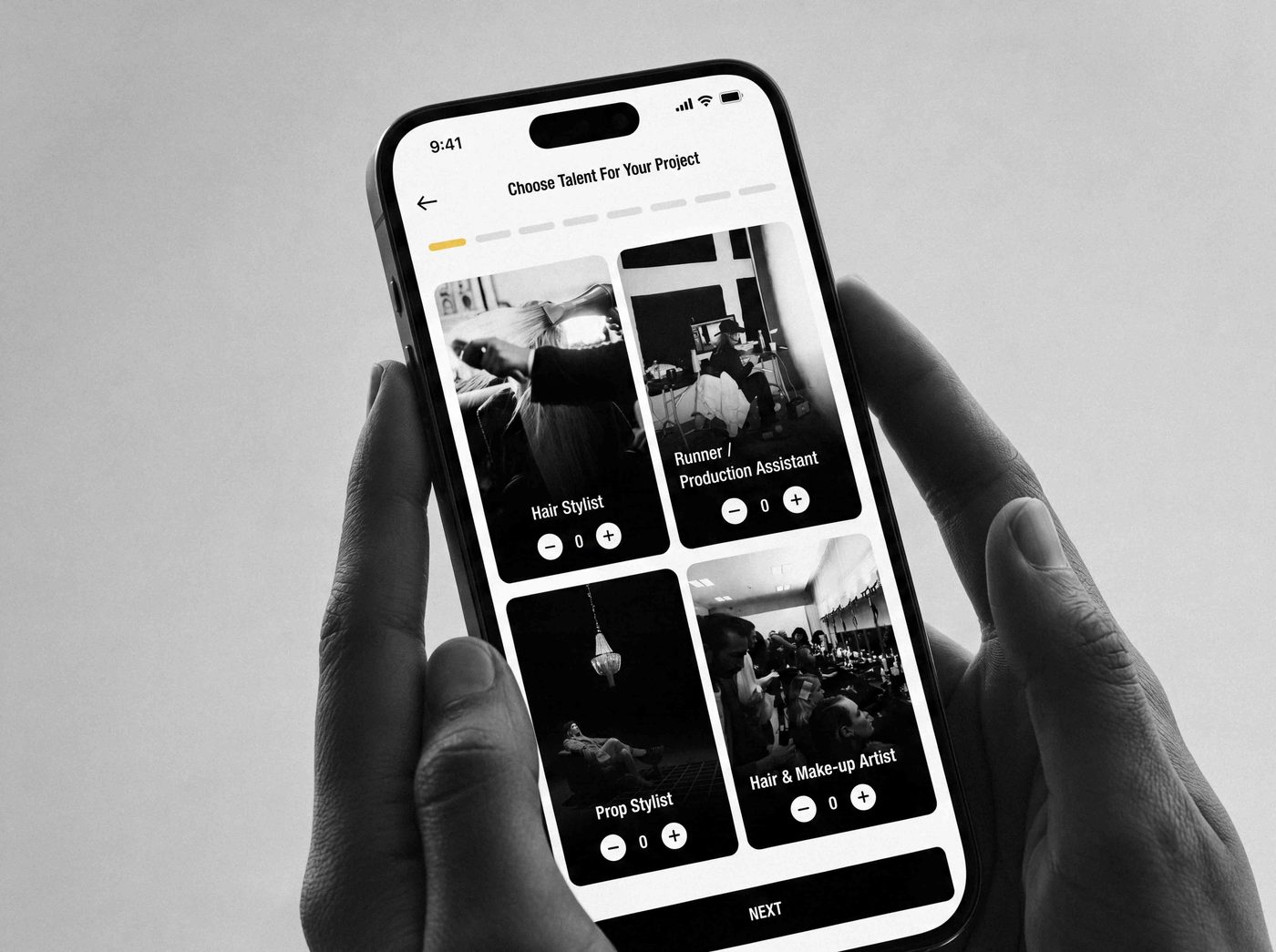
Post a job on the ANT Talent App and let approved talent come to you.
- Every profile approved by ANT
- Chat with talent in the app
- Payment held until the job is done

Free on iPhone
- 5.0on Google, 200+ reviews
- Since 2022modelling and talent agency
- Worldwideshoots, events and shows anywhere
- Licensed in Dubai. See our licence and booking terms