
Cut Casting Time: One-Page Model Brief Template for Marketers

A model brief is a one-page, labeled document that tells casting teams exactly who you need, what the campaign must deliver, and the rights required. This template gives you the sections to fill, copy-ready examples, and the structure to align casting and creative direction before a single comp card arrives, so the entire production moves with the same rhythm from the first conversation.
TL;DR:
- A clear model brief speeds up casting and minimizes mismatched submissions by defining precise talent requirements and shoot logistics upfront.
- Essential sections include technical specs, shot list, usage rights, and inclusive language, all kept to one page for quick reference.
- Specificity in usage terms, rights, and demographic traits prevents post-shoot disputes and avoids excluding talent unnecessarily.
- The brief should be a living document, regularly updated for direction shifts, with version control and clear ownership of each section.
- Agency casting offers faster, broader talent access for large campaigns, while internal casting suits smaller projects needing more control.
Table of Contents
- What is a model brief and when do you use one
- Essential template sections: the core blocks to include
- Technical and on-set logistics: photography, shot list, wardrobe, props
- Usage, rights, compensation and the model release checklist
- Schedule, deliverables and a compact budget summary
- Submission guidelines and the casting process
- Inclusive casting and accessibility: guidance and sample language
- Template starter and a short example you can copy
- Brand persona and campaign objectives
- Model requirements and talent breakdown
- Common mistakes to avoid in model briefs
- Tips for tailoring a model brief to different campaign types
- How to update and revise a model brief during a campaign
- Author perspective: agency casting versus running it internally
- ANT MANAGEMENT: a practical option for talent booking and casting coordination
- FAQ
- Sources
What is a model brief and when do you use one
A model brief is the document that translates a campaign’s creative vision into casting language: who the model needs to be, what the shoot requires, and what rights the brand needs afterward. It is typically drafted by a producer, art director, or the client’s marketing lead, then handed to casting directors or agencies to execute.
Use a model brief when the project is cast-focused. A full creative brief covers tone, strategy, and broader campaign direction, while a model brief narrows in on talent specifications and shoot logistics.
- Speeds up casting because requirements are explicit from the start.
- Reduces mismatched submissions by setting clear parameters.
- Gives everyone, from agency to photographer, one shared reference point.
Essential template sections: the core blocks to include
Every effective model brief follows the same skeleton, drawn from the structure used across casting and production templates, including the one outlined in Milanote’s model brief template. Fill each block with short, specific language rather than paragraphs of context.
- Project overview: one or two sentences on what the campaign is and who it’s for.
- Brand persona: the personality the imagery needs to project, in adjectives or a short phrase.
- Campaign objectives: what success looks like, tied to the channel or launch.
- Target audience: who the final images need to resonate with.
- Model breakdown: age range, look, skills, and any required experience.
- Technical specifications: format, aspect ratio, and lighting style.
- Shot list: the exact frames the team must walk away with.
- Visual references: links or thumbnails of mood boards and prior work.
- Deliverables: file types, counts, and delivery deadlines.
- Budget: fee structure and any usage allowance.
- Schedule: shoot date, fitting date, and approval windows.
- Submission guidelines: what casting needs from each applicant.
Each block should name who owns it: the art director usually fills brand persona and visual references, while the producer owns schedule and budget. Keep the whole brief to one page where possible; link out to appendices for detailed schedules or full shot lists rather than folding them in, a practice Smartsheet’s project brief guidance recommends for keeping documents scannable.
Pro Tip: Write the model breakdown last. It becomes sharper once the brand persona and shot list are locked.
Technical and on-set logistics: photography, shot list, wardrobe, props
The technical section is where ambiguity causes the most reshoots. Specify camera format, framing style, and lighting mood so the photographer and model breakdown are working toward the same visual outcome before the first test shot.
- Format and framing: state whether the shoot is vertical for social or horizontal for print, and note any required aspect ratio.
- Lighting style: describe it in a phrase, such as natural daylight, high-contrast studio, or soft editorial fill.
- Shot list examples: a hero shot (full body, direct gaze, clean background), a product-in-hand shot (three-quarter angle, product label visible), and a lifestyle shot (candid movement, environment visible).
- Wardrobe and props: list who provides what, continuity notes between looks, and any brand-restricted colors or logos.
A shot list with even three labeled examples prevents the most common on-set confusion: the model and photographer interpreting “editorial feel” two different ways.
Usage, rights, compensation and the model release checklist
State usage in one line: which channels (social, print, out-of-home), which territory, and for how long. Vague usage terms are the most common source of post-shoot disputes, so specificity here protects both sides.
Compensation should note the fee structure and flag that agency fees apply separately. Production templates that include a model release commonly list agency fees as a percentage of the model’s total compensation, with example clauses citing a figure around 20% according to a sample model release, a reminder that the brief should point to the release document rather than restate its terms.
- Usage line: channels, territory, duration.
- Compensation note: fee, payment terms, agency-fee disclosure.
- Release checklist: signature line, date, model and guardian details if a minor, fee confirmation.
Schedule, deliverables and a compact budget summary
Keep scheduling to a single paragraph inside the brief: shoot date, fitting date if needed, delivery deadline, and the approval window. Anything more detailed belongs in a linked production schedule rather than the brief itself.
- Shoot date and backup date, plus call time.
- Deliverable deadline and the number of approval rounds included.
- Budget shorthand: day rate, usage allowance, and expense coverage in one line.
- A link to the full production schedule when the shoot spans multiple days or locations, following the same logic behind building a campaign production timeline.
Submission guidelines and the casting process
Tell applicants exactly what to send, and tell your team exactly what to screen for, so no submission gets lost in translation between the casting call and the callback room.
- Required fields: comp card or portfolio link, measurements, availability window, union status if relevant.
- File formats: PDF for comp cards, JPEG for headshots, named by last name and role.
- Shortlist stage: request two additional images and a short availability confirmation.
- Callback stage: ask for a video self-tape or in-person read if the role has movement or dialogue.
A consistent naming convention alone saves hours of sorting once submissions arrive, particularly for briefs run through remote casting processes where files come in from multiple time zones.
Inclusive casting and accessibility: guidance and sample language
Specify demographic traits only when the role genuinely requires them. Casting-brief guidance from the IPA’s casting brief recommends treating the drafting moment as a pause for thought, a chance to challenge assumptions about who a role “should” look like before they get written into the brief at all.
- Default to open language such as “all genders” or “all backgrounds” unless the narrative demands otherwise.
- Include a short accessibility line with a named contact for accommodations: ASL interpretation, mobility access, or scheduling adjustments.
- When a role is intentionally community-focused, a brief positive-casting statement can explain the limited scope without excluding everyone else by default, a phrasing approach also reflected in diversity and representation guidance.
Pro Tip: Put the accessibility contact field directly under submission guidelines, not buried in an appendix, so applicants see it before they apply.
Template starter and a short example you can copy
Here is a condensed starter you can paste directly into a brief document, then adjust line by line.
- Project overview: “A three-day lifestyle campaign for a skincare launch, targeting a modern, understated aesthetic across social and in-store displays.”
- Model breakdown, entry one: Female, 25 to 35, natural look, comfortable with close-up beauty shots, no visible tattoos.
- Model breakdown, entry two: Male, 30 to 45, athletic build, outdoor lifestyle experience, available for a two-day shoot.
- Mini shot list: hero portrait, product-in-hand close-up, outdoor lifestyle candid.
- Sample usage line: “Usage: paid social and e-commerce, worldwide, 12 months from first publish date.”
Each entry stays short on purpose. A reader scanning the brief for the first time should understand the role in one pass, the same principle behind the structure in Influenna’s influencer brief template.
Brand persona and campaign objectives
The brand persona section is where tone gets translated into casting criteria, and it deserves more care than a single adjective list. Describe the emotional register the imagery should carry, whether that’s confident minimalism, warmth, or kinetic energy, then connect that register directly to how a model should move, pose, or hold expression on set.
Campaign objectives should sit right next to persona, because the two inform each other. A brand launching a new product line needs imagery that introduces; a brand sustaining awareness needs imagery that reinforces familiarity. State the objective in terms of what the images need to accomplish, not just what they need to look like: “introduce the fall collection to a younger audience” reads differently on set than “maintain brand consistency across seasonal assets.”
Tie objectives to the channel where the images will live. A vertical social campaign built for quick scrolling calls for different energy than a print campaign meant to hold a reader’s attention for several seconds. Aligning persona and objective with effective ad campaign structuring at the brief stage means fewer surprises when the images reach a media buyer’s desk. When persona and objective are vague, casting defaults to generic choices, and the resulting images read as interchangeable with any other brand’s campaign.

Model requirements and talent breakdown
The talent breakdown is the most frequently misread section of any brief, often because it mixes required traits with preferences without distinguishing between them. Separate the two explicitly: list what is non-negotiable for the role, then list what is preferred but flexible.
Specify age range, look, and any physical requirements tied directly to the creative concept, such as visible tattoos, hair length, or specific skin tone representation, only when the concept demands it. Note required skills separately: comfort with movement, dance background, swimming ability, or experience with a specific product category like beauty close-ups. Flag union status, work authorization, and availability windows early, since these eliminate mismatched submissions before a casting director spends time reviewing them.
Where a campaign calls for multiple roles, break each one out individually rather than bundling them into one paragraph. A brief with three distinct roles, each with its own short breakdown, casts faster than one dense paragraph trying to cover all three at once.
Common mistakes to avoid in model briefs
The most frequent error is vagueness dressed up as flexibility: a brief that says “looking for someone photogenic with a great vibe” gives casting nothing to screen against. Specificity is not restrictive, it is what makes casting efficient.
A second common mistake is embedding the full production schedule and budget breakdown directly into the brief, which turns a one-page document into a five-page one that nobody reads in full. Keep the brief scannable and link to the detailed schedule separately, following the same logic Asana’s project brief guidance applies to separating summary information from full project plans.
A third mistake is omitting usage terms entirely, which leads to disputes after the shoot when a brand wants to extend a campaign’s run or expand it to a new territory. A fourth is specifying demographic traits out of habit rather than creative necessity, narrowing the talent pool for no reason tied to the concept. Finally, briefs that skip the accessibility contact field or skip naming who owns callbacks tend to stall at the exact moments speed matters most.
Tips for tailoring a model brief to different campaign types
A brief for an e-commerce catalog shoot needs more technical specificity (consistent lighting, repeatable poses, exact crop ratios) and less narrative persona work, since the imagery exists to show product clearly rather than tell a story. A brief for a brand campaign or editorial-style shoot needs the opposite balance: more attention to brand persona and mood, with technical specs left looser to allow for creative interpretation on set.
Event and experiential campaigns call for a brief that addresses stamina and real-time adaptability instead of static posing, since the model breakdown should note comfort with live audiences or extended hours. Influencer and social-first campaigns benefit from a brief that specifies platform-native formats upfront, vertical video capability, and comfort speaking to camera, details a traditional print-focused brief often skips.
Multi-market campaigns need a usage line that accounts for regional rights separately, since a brief written for one territory can create rights gaps when a brand later wants to run the same imagery elsewhere. In every case, the core template blocks stay the same. What changes is which blocks get expanded and which get compressed.

How to update and revise a model brief during a campaign
Treat the brief as a living document until the shoot wraps, not a file that gets finalized once and forgotten. When a creative director changes direction mid-casting, update the brand persona and shot list sections first, since those changes cascade into which models get shortlisted.
Version the document clearly: a simple date stamps in the file name prevents casting teams from working off an outdated shot list. When usage terms shift, such as a brand deciding to extend a campaign into a new market, update the usage line immediately and flag the change to anyone who has already signed a release under the original terms. Minor revisions, like a schedule shift of a day, can be communicated separately rather than triggering a full document reissue, but any change to compensation, usage, or core model requirements warrants a new version sent to every stakeholder.
Author perspective: agency casting versus running it internally
Agency-managed casting earns its cost when reach or speed matters: wider talent pools, faster turnaround. Internal casting suits smaller campaigns where creative control matters more than scale. Either way, lock the brief before distribution.
ANT MANAGEMENT: a practical option for talent booking and casting coordination
A premier agency books talent, coordinates casting, and executes briefs across fashion, commercial, and event campaigns, drawing on an international talent network rather than a single local pool.
Brands that would rather hand off casting entirely than manage submissions in-house can request talent booking and start from a brief that’s already built.
FAQ
What are the 7 main specifications of a design brief?
Definitions vary across industries, but a common version covers project overview, objectives, target audience, brand persona, deliverables, budget, and timeline. A model brief narrows that same structure toward casting-specific fields like talent breakdown and usage rights.
What is the format of a brief?
A brief is typically a short, scannable document, often a single page, organized into labeled sections rather than flowing paragraphs. Detailed schedules or budgets are usually linked separately rather than embedded, a format recommended in project brief guidance to keep the document easy to scan.
What is an example of a brief?
A model brief for a skincare campaign might include a one-line project overview, a model breakdown specifying age and look, a mini shot list with three frames, and a usage line stating the channels and duration. The Milanote model brief template shows this structure applied to a full example.
What is the typical format for a creative brief?
A creative brief typically covers broader strategy, including brand positioning, audience insight, and messaging direction, before narrowing into execution details. A model brief is a more focused offshoot used specifically when the project centers on casting talent rather than broader campaign strategy.
Does ANT MANAGEMENT help with casting coordination as well as booking?
Yes, ANT MANAGEMENT handles talent selection, coordination, and briefing in addition to booking models, influencers, and production crew across its international network. Pricing for these services is available on request through ANT MANAGEMENT’s booking page.
Sources
- Artist’s Casting Brief (IPA)
- Model contract & release (Cast & Crew sample)
- Model Brief – Free Template & Example (Milanote)
- Project brief guidance (Smartsheet)
Recommended
Planning a shoot in KSA?
Prefer to book on your phone?
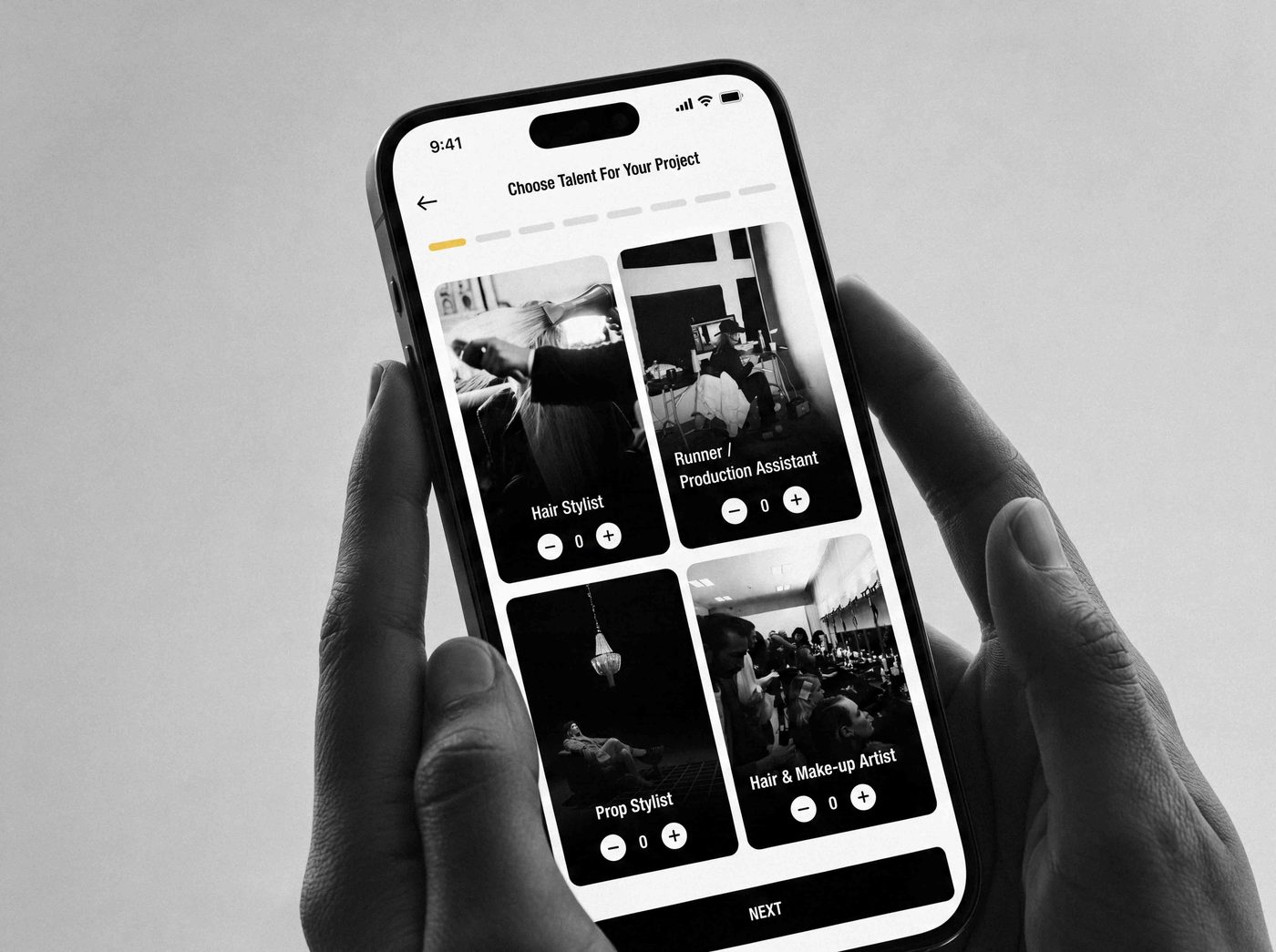
Post a job on the ANT Talent App and let approved talent come to you.
- Every profile approved by ANT
- Chat with talent in the app
- Payment held until the job is done

Free on iPhone
- 5.0on Google, 200+ reviews
- Since 2022modelling and talent agency
- Worldwideshoots, events and shows anywhere
- Licensed in Dubai. See our licence and booking terms