
Kids Model Casting: 5 Compliance Checks Before Brands Hire an Agency

For brand shoots and productions that need child models, the recommended route is a specialist agency that manages licensing, safeguarding, scheduling, and contracts from brief to wrap. We handle sourcing, the paperwork a local council licence or child performance authority requires, chaperone coordination, and the model release, so production stays lawful and the creative stays intact. We work this way for brands and productions seeking kid-model casting support.
TL;DR:
Schedule around local licensing deadlines: UK councils recommend 21 days for applications, while New South Wales requires employers to notify authorities 7 days ahead.
Get written confirmation of the single person responsible for licensing before booking, because an agency may handle paperwork while the commissioning brand retains responsibility.
Have a parent or guardian sign a release defining media, territory, and term; negotiate usage with a stated end date separately from appearance fees.
Before committing, request a written safeguarding policy, proof of chaperone background checks and insurance, plus sample contracts and call sheets showing legally permitted hours.
Table of Contents
What a kids model casting agency handles for you
A full-service agency is less a talent directory and more a production partner that absorbs the operational weight of working with minors. We curate child-model profiles with current headshots, reels, and measurements, matched against your brief for age range, look, and diversity. From there, the work shifts into coordination: call sheets, wardrobe timing, travel, and on-set pacing built around a child’s stamina rather than an adult crew’s schedule.
Compliance sits underneath all of it. We manage licence applications, notify the relevant employer authority where one applies, and arrange chaperones who meet the credential standard the production needs. Parents and guardians stay in the loop throughout, since they sign releases, confirm availability, and are briefed on the shoot’s scope before a single call sheet goes out.
-
Talent sourcing with curated profiles, current headshots, and reels matched to the brief
-
Project management covering scheduling, call sheets, wardrobe, and on-set coordination
-
Licence applications, employer-authority notifications, and chaperone provision
-
Background checks for any staff who will be in contact with children on set
-
Parent and guardian liaison, including briefings and release management
Agencies also carry templates that speed up the brief itself. Our casting call process walkthrough shows how a workflow built around clear roles and documented approvals removes most of the back-and-forth that slows first-time productions down.
Legal and safeguarding checklist before you book
Before any child steps on set, a handful of legal and welfare questions need firm answers, not assumptions. Treat this as a pre-booking gate rather than paperwork to chase after the shoot is scheduled.
-
Confirm whether a performance licence is required. UK guidance explains that paid modeling and recorded or broadcast work generally needs one, and names a single responsible person who must hold that duty in writing.
-
Check the lead time your jurisdiction requires and build it into your production calendar, not around it.
-
Verify chaperone credentials, including enhanced background checks and any medical fitness documentation the production needs.
-
Request documented working-hour limits, rest days, and break schedules before the call sheet is finalized.
-
Ask for proof: licence numbers, chaperone identification, insurance, and a model release template, all before contracts are signed.
Lead times vary by jurisdiction and matter for your production calendar. In New South Wales, employers must hold an Authority to Employ Children and must notify at least 7 days in advance, while UK councils such as Cumberland recommend applying at least 21 days ahead. At the international level, ILO Convention No. 138 permits national exceptions for artistic performances, but only under permit systems that competent authorities manage directly, which is why the licence step is never optional or mere window dressing.
Timeline and logistics for casting through shoot day
Casting and booking move at different speeds, and conflating them is where most production delays start. An audition round can often be arranged quickly since no performance has been confirmed yet, but once a child is booked, compliance steps take over the timeline. That means the 21-day licence window cited in UK guidance, or the 7-day notification period under the NSW authority, needs to sit on your calendar from the moment casting closes, not after wardrobe fittings are already booked.
On shoot day itself, arrival windows, fitting slots, and maximum working hours all need to be fixed in advance rather than negotiated on set. Rest days and mandatory breaks are not scheduling courtesies, they are the structure that keeps a shoot compliant and a child comfortable.
-
Confirm licence or authority status before fittings are booked, not after
-
Build arrival, fitting, and wrap times around the child’s documented working-hour limits
-
Hold a chaperone contingency in case of illness, travel delay, or a late recall
-
Pad the schedule for weather, reshoots, or last-minute availability changes
Pro Tip: Build your production timeline backward from the licence lead time, then layer fittings and recalls on top, rather than scheduling the shoot first and discovering the compliance gap later.
For brands assembling a broader casting document, our runway casting checklist outlines agency prep steps and timing benchmarks that translate well to photo and video bookings alongside runway work.
Contracts, usage rights, and the fees you should expect

A model release for a child is not a formality to sign on arrival, it is the document that defines what a brand can legally do with the footage afterward. Guidance for brands shooting with minors stresses that release forms and local licensing are often required together, and that the commissioning brand, not just the agency, carries primary responsibility for getting both right.
The clauses worth scrutinizing are the ones that quietly expand what you are allowed to do with a child’s likeness. Perpetual usage, a worldwide license bundled into the base rate by default, and full intellectual property transfer are common asks that favor the buyer at the expense of the talent and parent. Current contract practice counters this with time-bound terms, commonly a 12-month license rather than an open-ended grant, with territory and term multipliers applied when a brand wants broader or longer rights.
-
Insist on a time-bound license rather than a perpetual buyout as the default position
-
Separate the appearance fee from the usage fee so each is negotiated on its own terms
-
Expect line items for chaperone fees, recalls, fittings, overtime, and travel
-
Confirm who signs: the parent or guardian signs the release, the agency documents usage and payment terms
On the fee side, our own booking terms list overtime at 15% per hour and late payment at 9% per month, alongside cancellation fees of 50% within 48 hours and 100% within 24 hours or for confirmed trips, figures worth comparing against any agency you evaluate. Our model release form guidance walks through the clauses that belong in an agency-grade release before anyone signs.
How to choose the right agency for your casting
Not every agency that lists child models is equipped to run the compliance side of a booking, so the evaluation needs to go past the portfolio.
-
Ask for the agency’s written safeguarding policy and how recently it was updated.
-
Request a licensing track record: how many child bookings they have run through local authorities in the past year.
-
Confirm chaperone availability and ask to see proof of enhanced background checks on file.
-
Review a sample contract and model release before you commit to a brief.
-
Ask how the agency coordinates across markets if your production spans more than one country.
A short reference list helps you score responses quickly once the calls are done:
-
Does the agency name a single responsible person for licensing, in writing?
-
Can they produce a sample call sheet built around a child’s working-hour limits?
-
Do they carry insurance documentation they can share before contracts are signed?
-
Is their talent pool diverse enough to match your brief without a second casting round?
Pro Tip: Ask every shortlisted agency the same five questions in writing, then compare answers side by side rather than relying on a sales call impression. For verification steps before any payment changes hands, our guide on avoiding modeling scams covers the red flags worth checking first, and our casting call template gives procurement teams a starting brief that already asks the right questions.
Why full-service coordination reduces risk on set

Running licensing, chaperone sourcing, and legal checks under one coordinated process, rather than splitting them across separate vendors, is what keeps a child-talent booking on schedule. We built our internal checklists, including the runway casting checklist and the preparation framework behind ANT Camp, around the idea that a child arriving on set already briefed and rehearsed produces a calmer, faster shoot than one arriving cold.
The agencies that reduce risk best are the ones that treat compliance as part of the creative plan from day one, not as a formality bolted on once casting is locked. That discipline is what separates a smooth production day from one spent chasing paperwork between takes.
— ANT
Book your next kids model casting with us
We run kid-model casting end to end: sourcing, licensing, chaperone coordination, and on-set care, so your production team can focus on the creative instead of the compliance. Reach out through our talent booking page to start a brief, or visit Antmgmt to see our full range of booking services.
FAQ
How far in advance do I need a child performance licence?
Lead times vary by jurisdiction: UK councils such as Cumberland recommend applying at least 21 days ahead, while New South Wales requires 7 days’ notice under its Authority to Employ Children. Always confirm the exact window with the relevant local authority before finalizing your shoot date.
Who is responsible for licensing compliance, the brand or the agency?
UK guidance names a single responsible person who must apply for the licence, and industry guidance for brands notes that the commissioning brand often carries ultimate responsibility even when an agency manages the paperwork. Confirm in writing which party holds that role before booking.
What should a model release for a child cover?
A release should define the usage term, territory, and media the footage can appear in, with current practice favoring a time-bound license over an open-ended buyout. The parent or guardian signs on the child’s behalf, and the agreement should separate the appearance fee from any usage fee.
What does it cost to hire child talent through an agency?
Costs vary by booking scope, and base fees are available on request rather than published as a flat rate. Our booking terms list standard fee items such as overtime at 15% per hour and cancellation charges of 50% within 48 hours or 100% within 24 hours, which are worth comparing across any agency you evaluate.
What should I ask an agency before hiring child talent?
Ask who holds responsibility for the licence application, what the chaperone vetting process includes, and whether they can share a sample call sheet and model release before you sign. Our guide on verifying an agency before paying outlines the specific checks worth running first.
Sources
-
Child performance and activities licensing legislation in England — Departmental advice (UK)
-
Authority to employ children — NSW Office of the Children’s Guardian
-
What brands need to know before shooting with kids — Inside Stylists
Recommended
Planning a shoot in Qatar?
Prefer to book on your phone?
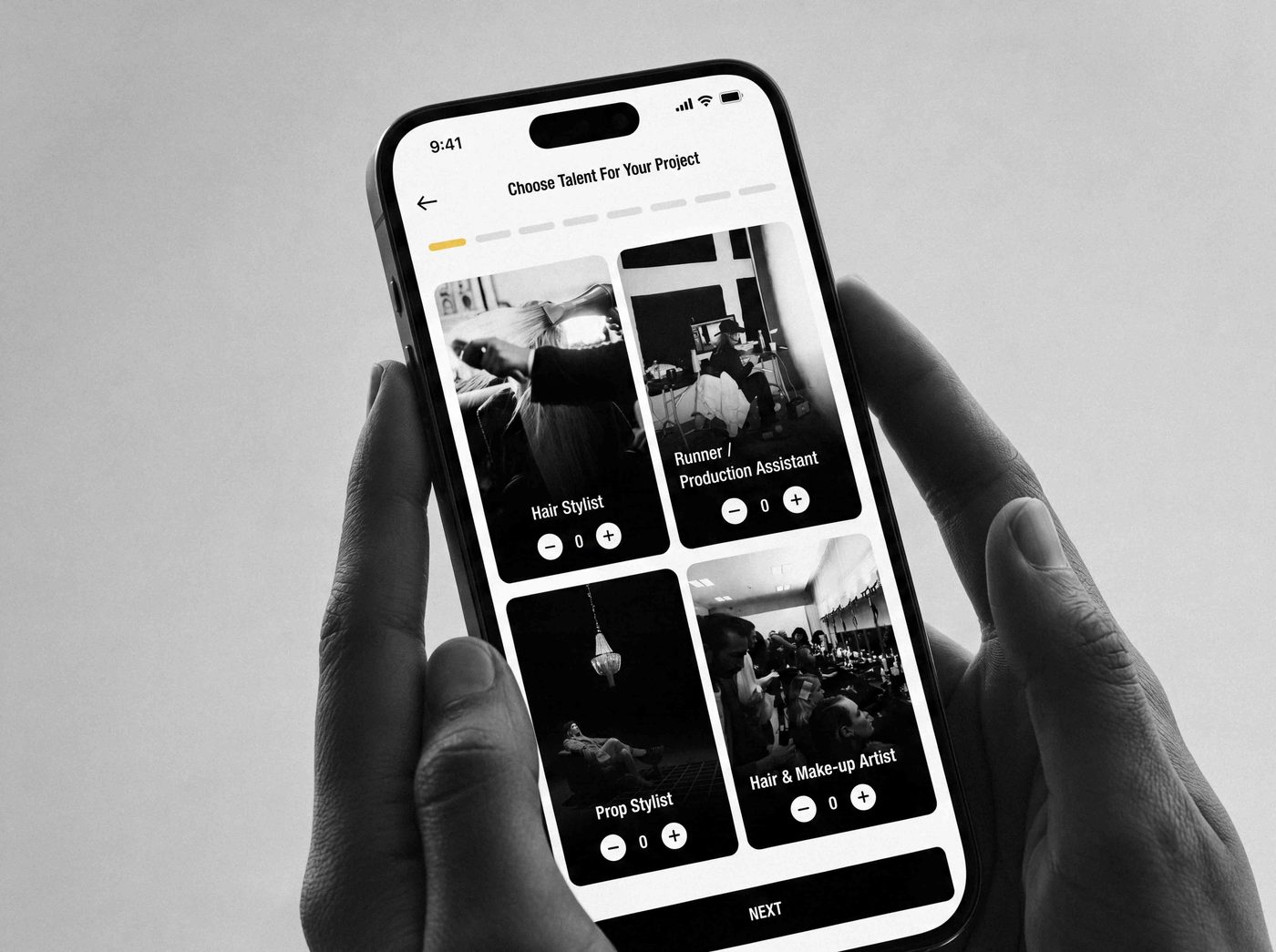
Post a job on the ANT Talent App and let approved talent come to you.
- Every profile approved by ANT
- Chat with talent in the app
- Payment held until the job is done

Free on iPhone
- 5.0on Google, 200+ reviews
- Since 2022modelling and talent agency
- Worldwideshoots, events and shows anywhere
- Licensed in Dubai. See our licence and booking terms