
Model Booking Process: First Timers Save Time With a Brief Template

To book a model through an agency, send a one-page brief stating your dates, usage rights, and budget, then allow at least two to four weeks for confirmation on straightforward shoots. The brief sets the rhythm for everything that follows: casting, contracts, and the choreography of a shoot day built around a face that carries your creative vision.
TL;DR:
- Agencies typically hold shortlisted models for 24 to 72 hours, so confirm quickly before the agency releases the option and availability changes.
- Plan four to eight weeks or more for premium campaigns or international travel; child permits in England may be refused inside 21 days.
- Usage fees rise with media reach, duration, and territory; yearlong campaigns across multiple territories can cost more than the model’s day rate.
- The contract should state cancellation terms: fees reach 50% within 48 hours of the shoot and 100% within 24 hours or for confirmed travel bookings.
- A model release grants specified permission to use a person’s likeness, whereas a buyout secures broader, often exclusive rights for a longer period or territory.
Table of Contents
- The booking flow: from brief to payment
- Writing a one-page brief that gets answered fast
- How far in advance should you book?
- What you’re actually paying for
- Contracts, releases, and the paperwork that protects everyone
- Day-of logistics: keeping the shoot on schedule
- Choosing the right model when options arrive
- Tools that make the process faster
- Why an experienced agency lowers production risk
- Book talent through ANT Management
- FAQ
- Sources
The booking flow: from brief to payment
Model booking unfolds as a sequence, each step layered over the last like fittings before a final look. We move through five stages that turn a creative concept into a confirmed shoot.
- Brief submission: you send project details to the agency, which shortlists candidates against your criteria.
- Optioning: the agency places a hold on selected models, typically for 24 to 72 hours, reserving their availability while you decide.
- Confirmation: once you choose, the agency converts the option into a booking and issues a contract outlining dates, usage, and fees.
- Payment sequence: a deposit often precedes the shoot, with the balance invoiced afterward alongside the agency’s commission.
- Day-of execution: the model arrives per the call sheet, and the agency remains the point of contact for any last-minute adjustment.
Optioning exists because demand for strong talent moves quickly, and an agency protects both your interest and the model’s time by setting a window rather than leaving availability open-ended. Confirmation triggers the paperwork: contracts typically arrive within a day or two of your decision, giving both sides a documented record before cameras roll. Payment then follows an established cadence, deposit, balance, commission, each line transparent rather than buried in a lump sum.
Writing a one-page brief that gets answered fast
A brief is the first creative gesture in the entire process, the document that translates your vision into something an agency can act on without a dozen follow-up calls. The sharper the brief, the faster the shortlist arrives.
- Project summary: a sentence or two on the concept, campaign, or editorial direction.
- Dates and call times: shoot day, backup dates, and expected hours on set.
- Location: studio, exterior, or travel requirements.
- Deliverables and usage: which media, how long the usage runs, and in what territory.
- Budget band: even a range helps the agency match talent to scope.
- Sample images or moodboard: visual references anchor abstract direction in something concrete.
- Model specs: age range, look, measurements, or experience level relevant to the project.
Attach a moodboard or sample shots whenever the look matters as much as the logistics, and include a direct contact so the agency can clarify details without delay.
Pro Tip: A one-page brief, kept tight and specific, cuts the back-and-forth that otherwise stretches casting into days.
Our model casting process guide walks through how a clear brief shortens the path from inquiry to shortlist, and our one-page brief template gives marketers a ready format to fill in rather than build from scratch.
How far in advance should you book?
Lead time shapes everything else, so treat it as the first variable you lock in rather than an afterthought.
- E-commerce or straightforward commercial work: two to four weeks is usually sufficient for brief, casting, and confirmation.
- High-end campaigns or shoots requiring international travel: plan for four to eight weeks or more, since visas, flights, and option windows for in-demand talent all add time.
- Option holds: typically 24 to 72 hours, so confirm promptly once an agency presents candidates to avoid losing your first choice.
- Child models: licensing in jurisdictions that require it, such as England, needs extra runway. Local authorities may refuse applications submitted less than 21 days before the performance, so factor a sufficient lead time into your schedule when minors are involved, typically a few weeks.
Our kids model casting compliance guide outlines the checks worth confirming before you build a timeline around a child talent.
What you’re actually paying for
A model booking quote is rarely one number. It’s layered, much like a garment built from separate pieces that only read as a whole once assembled.
- Day rate: the base fee for the model’s time on set.
- Usage or buyout: licensing fees tied to how the images or footage are used, the duration of use, and the territory covered.
- Agency commission: the fee the agency charges for representation and coordination, typically built into the quote rather than billed separately.
- Travel and accommodation: covered when the shoot requires the model to work outside their home market.
- Overtime: billed at 15% per hour beyond the agreed call time.
- Cancellation fees: structured in tiers, with 50% due for cancellations within 48 hours of the shoot and 100% due within 24 hours or for confirmed travel bookings.
Usage pricing shapes the final number more than most first-time bookers expect. A single social post costs less to license than a national broadcast campaign running for a year, since usage fees scale with reach, medium, and duration rather than the shoot itself.
Say a straightforward e-commerce shoot runs a half-day rate plus limited digital usage: the total stays modest because the license is narrow. Extend that same shoot to a year-long multi-territory campaign, and the usage line alone can outweigh the day rate.

Contracts, releases, and the paperwork that protects everyone
Before any payment clears, the contract should answer a short list of questions clearly enough that neither party is guessing later.
- Dates and scope: the shoot dates, locations, and what’s covered within the agreed fee.
- Usage specifics: media, duration, and territory, mirroring what you stated in your brief.
- Cancellation policy: the tiered fees that apply if plans change on your end.
- Insurance and indemnity: who carries liability for the shoot and its location.
- Replacement policy: what happens if the booked model becomes unavailable close to the date.
A model release and a usage buyout are not interchangeable. A release grants permission to use someone’s likeness in specific, often limited ways, while a buyout secures broader, typically exclusive usage rights for an extended period or territory. Knowing which one your project needs prevents a costly renegotiation after the fact.
Child-model licensing adds a compliance layer entirely its own. In Great Britain, licence applications require documentation about rehearsals, dates, and welfare arrangements, administered through the relevant local authority rather than the agency alone. Building this into your production calendar early avoids a scramble near the shoot date.
Day-of logistics: keeping the shoot on schedule
A shoot day succeeds or stalls on details settled well before the model arrives.
- Confirm the call time and share it alongside a single point of contact for any questions.
- Schedule fittings ahead of the shoot date whenever wardrobe is involved.
- Arrange catering, transport, and accommodation if the shoot runs long or requires travel.
- Coordinate kit drop-off so equipment and wardrobe arrive before talent does.
- Send the call sheet 24 to 48 hours in advance, giving both the model and the agency time to flag conflicts.
On set, courtesy and clear communication keep the energy productive: brief the model on safety considerations specific to the location, and route any schedule changes through the agency contact rather than improvising mid-shoot.
Choosing the right model when options arrive
Once the agency presents a shortlist, evaluation moves fast, and a few axes matter more than a gut reaction to a portfolio.
- Fit to brief: does the look, tone, and energy match what you outlined.
- Experience: relevant credits for the type of shoot you’re running, whether editorial, commercial, or e-commerce.
- Availability and flexibility: willingness to travel or accommodate schedule shifts if your production timeline is tight.
Ask the agency directly about replacement policy, typical turnaround between option and confirmation, and insurance coverage before you commit. A quick look at prior work, digitals included, tells you more about how a model photographs unretouched than a polished portfolio alone. One partner perspective on what producers check during short castings reinforces how little time decisions actually take once the shortlist is in front of you, which is exactly why a tight brief matters upstream.
Pro Tip: Request a test shoot or fitting when the look is mission-critical to the campaign, not just when budget allows it.
Tools that make the process faster
A curated process depends on tools that remove friction rather than add steps. The process is built around that principle.
- The one-page brief template gives first-time bookers a ready structure instead of a blank page, cutting the time between inquiry and shortlist.
- The ANT Talent App supports fast regional bookings and confirmations across markets including Dubai, Saudi Arabia, Kuwait, and Qatar.
- Our curation process draws on talent development programs like ANT Camp, meaning the models we represent arrive trained, briefed on professional expectations, and ready for a demanding call sheet.
Why an experienced agency lowers production risk
Booking through an agency shifts risk away from the client in ways a first-time booker rarely anticipates until something changes last minute. We manage replacements when a model becomes unavailable, handle compliance paperwork before it becomes a bottleneck, and coordinate logistics so the creative team can stay focused on the shoot itself rather than the scaffolding around it. That reliability is the quiet value an agency adds long before the first frame is captured.
— ANT
Book talent through ANT Management
A clear brief and the right agency partner turn booking from a guessing game into a predictable sequence, and that predictability is what we built our process around. Whether you need a single model for an e-commerce shoot or full creative support across markets, our booking and talent services connect you with curated talent and the paperwork handled correctly the first time.
For regional productions, the ANT Talent App speeds confirmations in Dubai, with matching apps for Saudi Arabia, Kuwait, and Qatar. Send us your brief and we’ll return a shortlist built around your dates, budget, and usage needs.
FAQ
How do you get scouted by a modeling agency?
Agencies typically scout through open calls, submissions via their website, or direct outreach after spotting a strong look in person or online. Most reputable agencies also accept digital submissions with simple, unedited photos rather than a professional portfolio at the outset.
Do models get paid?
Yes, models are paid a day rate for their time plus usage fees tied to how the images or footage are used, with payment typically structured as a deposit followed by a balance invoiced after the shoot. The exact structure, including overtime at 15% per hour, is set out in the booking contract before the shoot date.
Can I be a model if I’m not conventionally pretty?
Modeling spans far more categories than conventional beauty standards suggest, including commercial, character, fitness, and plus-size work, each with its own casting criteria. Agencies evaluate fit to a brief and market demand rather than a single aesthetic standard.
How old do you have to be in order to be a model?
There’s no single universal minimum age, since requirements vary by market and project type, but child models generally require a licence in jurisdictions such as Great Britain before they can work. These licences involve documentation about rehearsals, dates, and welfare arrangements submitted to a local authority well ahead of the shoot.
Recommended
Planning a shoot in Qatar?
Prefer to book on your phone?
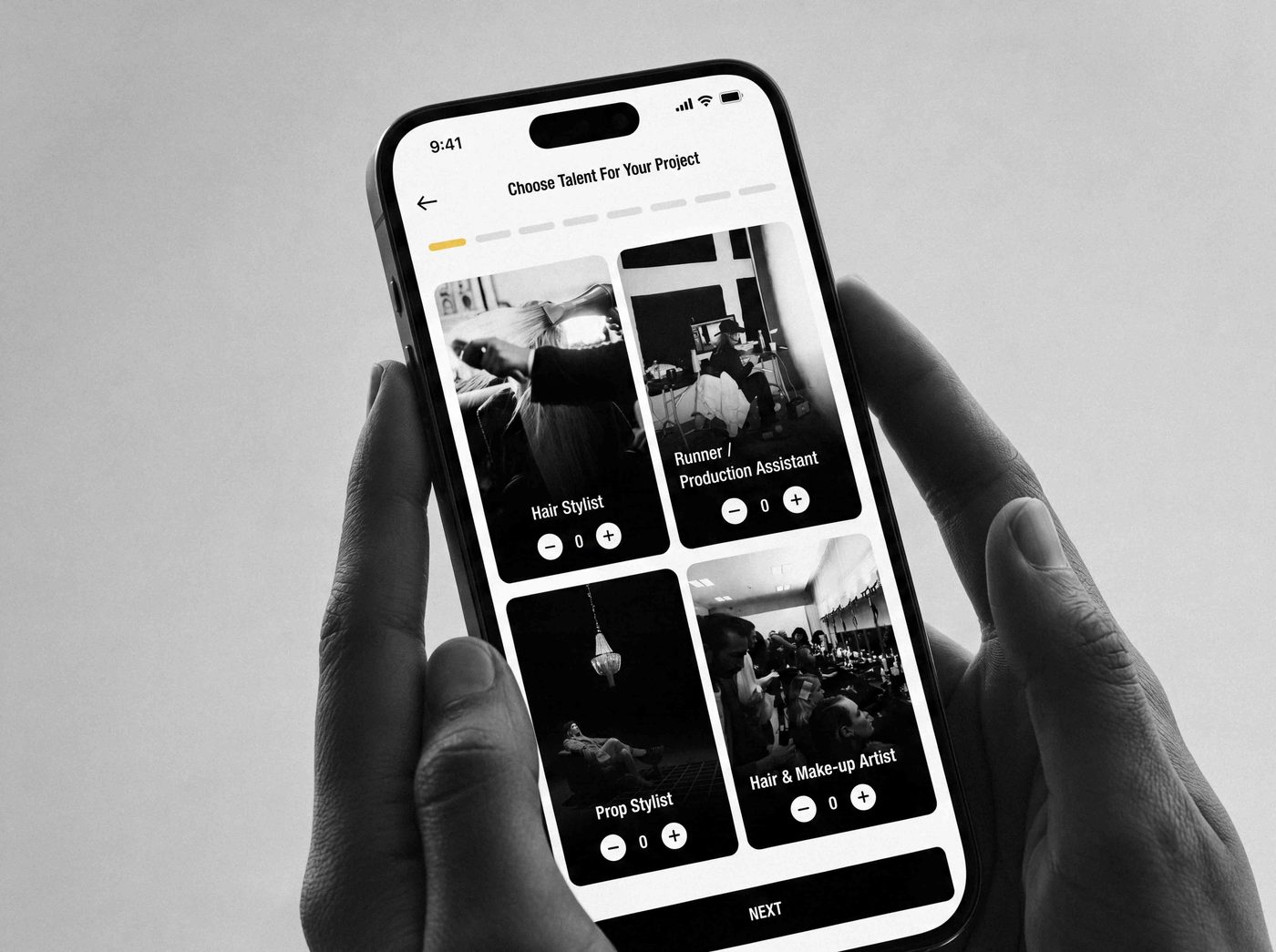
Post a job on the ANT Talent App and let approved talent come to you.
- Every profile approved by ANT
- Chat with talent in the app
- Payment held until the job is done

Free on iPhone
- 5.0on Google, 200+ reviews
- Since 2022modelling and talent agency
- Worldwideshoots, events and shows anywhere
- Licensed in Dubai. See our licence and booking terms