NDA for a Photoshoot: What to Cover and When to Use One

A non-disclosure agreement for a photoshoot is a short contract in which everyone who touches the production, from photographer to model to retoucher, promises not to share what they see, hear or make before the client is ready to reveal it. It belongs on any set where the secret has commercial value: an unreleased product, a campaign embargo, a celebrity face, a private location. It does not replace a model release or a photography contract, and it cannot lawfully silence someone about a crime or an honest review.
What follows is a working guide for brands, producers and creative directors: when the paper earns its place, what the clauses must say, and where the law draws its lines.
TL;DR
- An NDA controls what may be disclosed and when. A model release controls how images may be used. A photography contract settles who owns and licenses the files. Most serious shoots need all three.
- Use an NDA when the shoot involves unreleased products, embargoed campaigns, high-profile talent, private locations or sensitive brand strategy.
- A good NDA defines confidential information precisely, names a time limit, covers raw files and behind-the-scenes content, and lists clear exceptions.
- U.S. law limits what confidentiality can do: it cannot override copyright ownership by default, and form contracts cannot gag honest consumer reviews.
- Have a licensed attorney review any template before your team signs it.
Table of Contents
- Why a photoshoot is a leak risk
- When you actually need one
- NDA, model release, photography contract: three different jobs
- What a photoshoot NDA should say
- Who signs, and when
- The limits of an NDA in the United States
- A practical drafting checklist
- Our perspective: secrecy as part of the craft
- Booking talent for a confidential shoot
- FAQ
- Sources
Why a photoshoot is a leak risk
A set is a crowded room. A single editorial day may bring together a photographer, assistants, a stylist, hair and makeup, a producer, a digital technician, the client’s marketing team, models and often a location owner. Each person carries a phone. Each shot lands on a card, then on a drive, then in a cloud folder, then on a retoucher’s desk.
That chain is the real exposure. A casual behind-the-scenes story, an unguarded post of a prototype on a rack, a raw file forwarded for a quick opinion: none of it is malicious, and all of it can unravel a launch date. The NDA turns an unspoken courtesy into an obligation that can be enforced, and it does something quieter too. It signals to everyone in the room that the project is being handled with discipline.
Production professionals treat it as a first document, not an afterthought. One production-resource site describes an NDA as normally the first document crew and vendors sign when a production has any sensitive aspect, and notes that a confidentiality clause can sometimes be folded into the main contract to save paperwork.

When you actually need one
Not every shoot deserves a separate confidentiality document. A lookbook of existing, in-stores stock rarely needs one. The following situations usually do:
- Unreleased products or collections. Pre-launch apparel, packaging, devices, fragrances.
- Embargoed campaigns. Anything tied to a announcement date, a collaboration reveal or a seasonal drop.
- High-profile or private talent. Public figures, executives, or anyone whose presence on set is itself news.
- Private locations. Homes, showrooms, factories and venues whose owners expect discretion.
- Strategy exposure. Creative briefs, mood boards, pricing and media plans that competitors would value.
- Sensitive subject matter. Medical, financial or legal brands where a subject’s identity matters.
If the answer to “would a competitor or a journalist pay for this?” is yes, paper it.
NDA, model release, photography contract: three different jobs
The most common mistake is treating these as interchangeable. They answer different questions.
| Document | The question it answers | Typical signers |
|---|---|---|
| NDA | What may not be shared, with whom, and for how long? | Photographer, crew, vendors, models, client staff |
| Model release | How may a person’s likeness appear in published work? | Model and the party using the images |
| Photography contract | Who owns the files, what is delivered, what is the license and fee? | Client and photographer |
A release has nothing to do with whether the shoot can happen. As one photography-law educator puts it, a release is about how the images can be used, not about the session itself. For the likeness side, our guide to the model release form sets out the clauses an agency expects. For licensing and fees, see what determines photo licensing fees.
The overlap matters in practice. A model may sign a release permitting use of her image in a campaign, yet the NDA still forbids her from posting a teaser before launch day. Conversely, an NDA never grants permission to publish a face. Keep the jobs separate and cross-reference them.
What a photoshoot NDA should say
A strong agreement is short, specific and readable. Vague agreements are hard to enforce and easy to resent. Cover these elements.
1. Who is bound
Name the disclosing party (usually the brand or the production company) and each receiving party. Decide whether the NDA is one-way, protecting the brand, or mutual, which suits shoots where a photographer also shares unreleased creative concepts. Sample film-industry templates commonly begin with a one-way structure naming a discloser and a recipient, then add detail from there.
2. What counts as confidential
List categories rather than gesturing at “everything”: product designs, samples, campaign concepts, scripts or shot lists, location details, talent identities, call sheets, unedited and edited images, video and audio, and the existence of the project itself where relevant. State that behind-the-scenes footage and social posts are included, because that is where most leaks begin.
3. What does not count
Information already public, independently developed, or lawfully received from another source is normally carved out. Include these exceptions, since an NDA without them looks overreaching.
4. Permitted use
Say plainly that confidential material may be used only to carry out the shoot and deliver the work. This is also where you restrict portfolio use until a set date, a point photographers and models often negotiate.
5. Handling of files
Specify how raw and edited files are stored, who may receive them (retouchers, assistants, labs), and when they are returned or deleted. Anyone downstream, including a retoucher, should be bound by the same terms, directly or through the photographer.
6. Duration
Pick a term that matches the secret. A launch embargo may need months. A trade secret may need longer. Open-ended terms invite dispute, so tie the obligation to a date or event, such as the public release of the campaign.
7. Remedies and governing law
State the governing state, the way disputes will be resolved, and whether injunctive relief is available. Keep the language proportionate. A model on a one-day booking should not be threatened with ruinous penalties.
Who signs, and when
Sequence matters. Sign before any confidential material changes hands: before the brief is sent in full, before the call sheet circulates, before the location is revealed.
- Brand and photographer or production company sign first, usually inside or alongside the main contract.
- Crew and vendors sign before call time or when they are booked. Stylists, assistants, makeup artists, retouchers and drivers all see the product.
- Models and talent sign with their booking confirmation or at check-in, together with the release. Where an agency represents the model, route the paper through the agency so terms are consistent. Our model booking process walk-through shows where documents fit in the sequence.
- Client-side visitors sign at the door if they were not covered earlier. Brand guests are a classic source of accidental leaks.
For minors, consent comes from a parent or guardian and the compliance picture is stricter. See five compliance checks before hiring an agency for kids’ casting.
The limits of an NDA in the United States
An NDA is a strong tool, not an unlimited one. Several boundaries are worth knowing before you draft.
Copyright does not move by silence
Under U.S. law, the person who takes the photograph generally owns the copyright from the moment it is fixed, for example as an electronic file, and a work made for hire or a written agreement is the main exception. An NDA restricts disclosure. It does not transfer ownership. If your brand needs to own the images, say so in the photography contract through a work-for-hire or assignment clause, and let the NDA handle secrecy. Confusing the two is how brands end up with a quiet photographer who still owns the archive.
Honest reviews cannot be gagged
The Consumer Review Fairness Act, in force since 2017, bars form contracts from restricting a consumer’s ability to share reviews or performance assessments of a seller’s goods, services or conduct, and the FTC treats violations as unfair or deceptive. This matters most to photographers and studios who sell sessions to consumers. A confidentiality clause that sweeps in pricing or the customer’s opinion of the service can cross the line, as the FTC’s complaint over a form contract showed. Draft the NDA around genuinely sensitive information, not around criticism.
Reporting wrongdoing is not negotiable
Regulators have been consistent that confidentiality cannot be used to block reports of crime or protected whistleblowing. A dissenting FTC statement on franchise contracts, for instance, notes a disclaimer that a clause cannot apply to reporting legal violations to the government. In the United Kingdom, the Victims and Prisoners Act 2024 makes it explicit: from October 2025, NDAs cannot be enforced to stop victims reporting a crime to the police. That is a UK rule and applies to UK agreements, but it reflects a direction that international productions should respect. Include a short carve-out stating that nothing in the NDA prevents anyone from reporting unlawful conduct to authorities or speaking to a lawyer. It protects the people on your set, and it protects the agreement from being struck down.

State law varies
Contract formation, remedies and the enforceability of non-compete-like restrictions differ by state. For a shoot with real stakes, a transactional attorney in the relevant state should review the document. This article is general information, not legal advice.
A practical drafting checklist
Before the paper goes out, run through this list.
- Is the confidential information defined by category, with examples?
- Are social media, stories and behind-the-scenes content explicitly covered?
- Is there a start date, an end date or a release trigger?
- Are exceptions for public and independently known information included?
- Does it say how files are stored, shared with retouchers, and deleted?
- Is there a carve-out for reporting unlawful conduct?
- Is the release for likeness a separate document, and is copyright handled in the photography contract?
- Is the tone proportionate to the role? A background model needs one page, not six.
Template pages, such as a photography NDA form from a form-builder, are a reasonable starting point for structure. Treat them as scaffolding, then tailor every definition to your shoot.
Our perspective: secrecy as part of the craft
At ANT Management, we see confidentiality as part of production design, not a legal afterthought. A shoot is a choreography of people and information, and the brief, the call sheet, the casting and the files all move through it. When the paper is clear, talent arrives knowing what is expected, crews work without hesitation, and the brand’s reveal holds its rhythm.
Our work is built around curated talent and careful coordination: selecting the right people, briefing them thoroughly and preparing them for the production. Confidentiality fits naturally into that briefing stage. We encourage clients to send the NDA together with the booking brief, so that expectations about social posting, portfolio use and file handling are settled before anyone steps on set, not on the morning of the shoot.
We also believe the best agreements are the briefest ones that do the job. Talent should understand every line they sign, and clients should be able to enforce it. A single page, written in plain language, is more respected than a dense one nobody reads.
For the brief itself, we point clients to our nine-point photography brief and the photoshoot production checklist, where an NDA line item belongs under pre-production.
— ANT
Booking talent for a confidential shoot
If your production needs models, stylists, photographers or a full crew who can work discreetly, we handle selection, coordination and briefing from a single point of contact. Start with model booking and production support, or browse creatives and full production crews. Booking terms, including overtime and cancellation fees, are published on our booking page. If you are still planning, our guide to hiring models for a photoshoot covers the full process.
FAQ
Do models need to sign an NDA for a photoshoot?
Not always. If the shoot involves unreleased products, an embargoed campaign or a private location, yes, and it is best signed alongside the booking confirmation and release. For routine commercial work with already-public products, a confidentiality clause inside the booking agreement is often enough.
Is an NDA the same as a model release?
No. An NDA restricts sharing of confidential information, while a release gives permission to use a person’s likeness in specific ways. A shoot can need both, and one never substitutes for the other.
Can a photographer use my photos if I sign an NDA?
It depends on the contract. By default, the photographer owns the copyright unless a written work-made-for-hire or assignment agreement says otherwise. An NDA limits disclosure, so add explicit usage and portfolio terms to the photography contract.
What are the limits of an NDA?
It cannot lawfully stop someone from reporting a crime to authorities, and in the U.S. form contracts cannot restrict honest consumer reviews. Overbroad, open-ended or unreasonable terms may also be hard to enforce in court.
Can I use a free template?
Yes, as a starting structure, but adapt the definitions, duration and governing law to your project. Have an attorney licensed in your state review it before a high-stakes shoot.
Sources
- Extended NDA Document Template, CallShoot
- Film NDA Template, NDAforge
- Photography Non-Disclosure Agreement Form Template, Jotform
- What to Do If Your Client Does Not Want to Sign a Model Release, The Legal Paige
- What Photographers Should Know about Copyright, U.S. Copyright Office
- 3 tips from 3 FTC Consumer Review Fairness Act cases, FTC
- FTC complaint concerning form contract provisions
- Dissenting statement of Commissioner Ferguson, FTC
- Victims and Prisoners Act 2024: changes to non-disclosure agreements, GOV.UK
Recommended
Planning a shoot in Qatar?
Prefer to book on your phone?
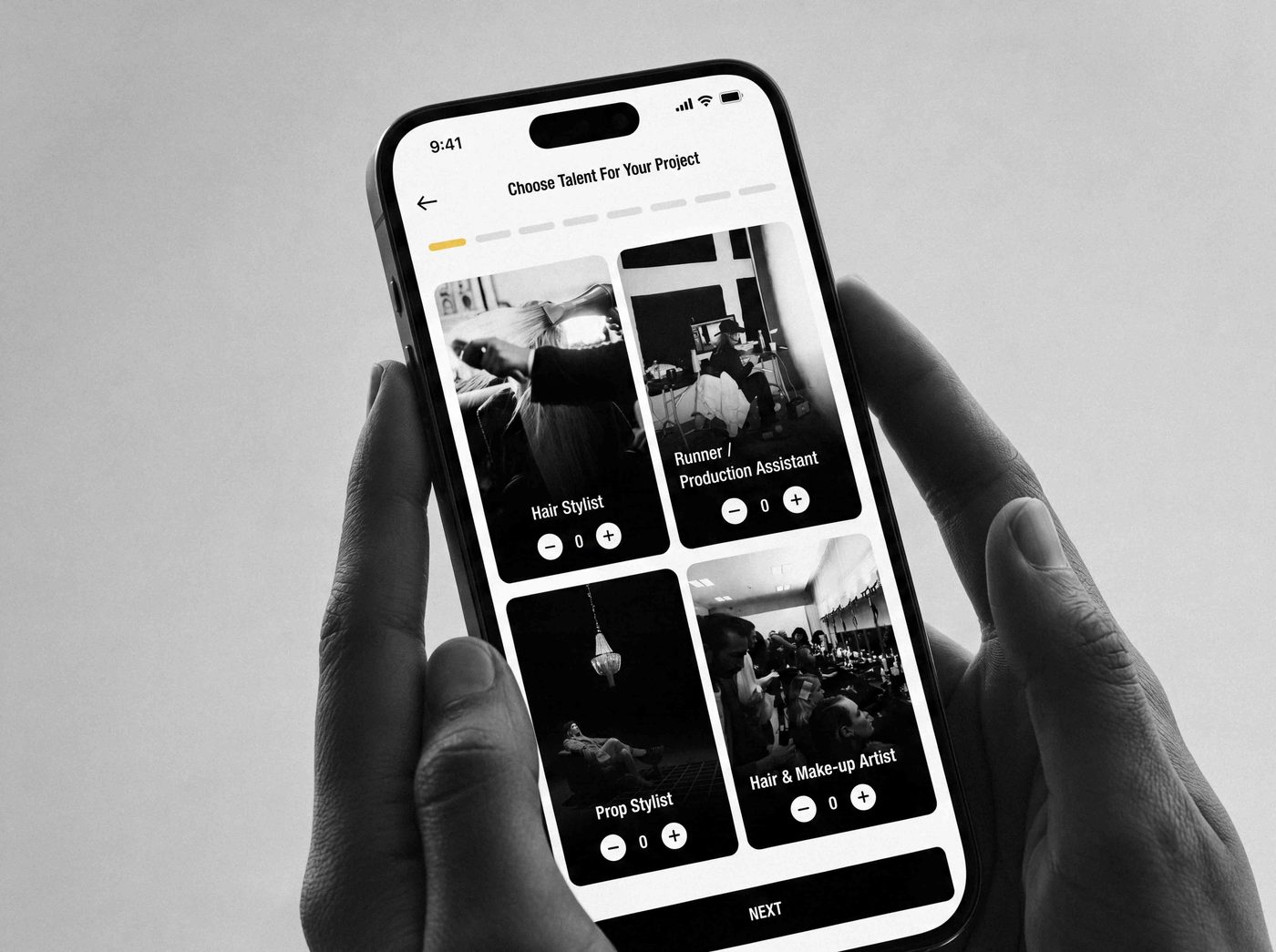
Post a job on the ANT Talent App and let approved talent come to you.
- Every profile approved by ANT
- Chat with talent in the app
- Payment held until the job is done

Free on iPhone
- 5.0on Google, 200+ reviews
- Since 2022modelling and talent agency
- Worldwideshoots, events and shows anywhere
- Licensed in Dubai. See our licence and booking terms