
Plan Trade Show Staffing: Booth Benchmarks, Roles Before Headcount

For most exhibitors, staff by booth size and objective: small booths need 1 to 2 people, medium booths run 3 to 5, and large or island booths call for 6 or more. The principle beneath every number is the same: qualified greeters working a planned rotation outperform a static crew every time. Build the roles first, then set the shifts.
TL;DR:
- Schedule shifts in 90 to 120 minute blocks, place qualified staff at opening and post lunch peaks, thin coverage during lulls, and keep a floater available.
- Brief staff a week ahead on three product points, two or three open ended questions, role assignments, and demo recovery steps.
- Open by asking what brought an attendee to the show, then tag interest and record lead details before the next visitor arrives.
- Track qualified leads, demos, and booked meetings by shift, and capture company, role, timeline, and interest on every lead.
- Route hot leads to sales immediately, send warm leads a recap, and follow up within 24 to 72 hours while the conversation remains fresh.
Table of Contents
- Staffing recommendations by booth size and event goals
- Key roles and clear responsibilities
- Shift scheduling, rotation, and onsite logistics
- Pre-show preparation and briefings
- Attendee engagement tactics that qualify leads fast
- KPIs, measuring performance, and post-show follow-up
- Essential tech and tools for efficient staffing and capture
- ANT perspective: how we staff trade show activations
- What most staffing advice gets wrong
- How ANT Management can help with your staffing plan
- FAQ
- Sources
Staffing recommendations by booth size and event goals
Booth footprint sets the floor for headcount, but your objective (lead generation, live demonstrations, or scheduled meetings) moves the number up or down within that range. A 10x10 booth built purely for brand visibility can run lean; the same footprint hosting a product demo needs a second person just to manage the queue.
A workable allocation looks like this:
- 10x10 booths: typically staffed by a host for greetings and qualification, with additional help during peak hours for overflow conversations.
- 10x20 or inline medium booths: several staff members dividing host, demonstrator, and meeting-manager duties.
- Island or large format booths: a larger team adjusted to demo stations, meeting pods, and foot traffic flow.
- Demo-heavy activations: add one dedicated demonstrator per station so hosts stay free to qualify incoming visitors rather than narrate a product.
- Meeting-driven booths: assign a meeting manager whose only job is scheduling and escorting, since split attention here loses appointments.
Match the team to the goal before you match it to the floor plan. A sparsely staffed island booth wastes square footage; an overstaffed 10x10 crowds the aisle and reads as idle.
Key roles and clear responsibilities
Clear role definitions prevent two common failures: small teams duplicating effort and large teams leaving gaps nobody notices until a lead walks away unqualified. Each role should have one owner and one measurable output.
- Host: greets attendees, asks the opening qualifying question, and routes the conversation.
- Demonstrator: runs the product or service demo and highlights the detail most relevant to the visitor’s stated need.
- Closer: handles deeper conversations with qualified leads and moves them toward a next step.
- Meeting manager: owns the schedule, confirms appointments, and keeps meeting pods on time.
- Floater: covers breaks, overflow, and whichever role is short-handed in the moment.
- Tech support: keeps hardware, lead-capture devices, and demo equipment running.
- Content captor: gathers photo and video for post-show marketing without pulling a salesperson off the floor.
In a two-person booth, the host typically absorbs closing duties and the second staffer covers demo and tech. In larger teams, keep roles separate: assigning one function per person is what lets you measure performance by role later.
Pro Tip: Staff by role first, then by headcount; filling seats without defined jobs is how two people end up pitching the same visitor while three others stand idle.
Shift scheduling, rotation, and onsite logistics
Trade show floors wear staff down faster than a typical workday, and fatigue shows up as flat pitches and missed qualification cues. A rotation plan keeps energy and attention consistent across the hours that matter most.
- Build shifts in 90 to 120 minute blocks with a short off-floor break between them, since sustained standing and pitching degrades performance well before a full shift ends.
- Schedule your strongest, most qualified staff during opening-hour and post-lunch peaks, when traffic density is highest.
- Thin coverage during known lull periods (early morning and the last hour of each day) without leaving the booth empty.
- Confirm check-in times, uniform or branding details, and a named backup for every shift before the show opens.
- Keep one floater on call at all times to cover a late arrival or an unplanned absence.
Pre-show preparation and briefings
A briefing the morning of the show is too late to fix messaging gaps. Run the real preparation the week before, covering objectives, target persona, and the qualifying questions every staffer will use.
- Messaging alignment: confirm the three points every staffer must communicate about the product or offer.
- Qualifying questions: agree on two or three open-ended prompts that reveal budget, timeline, or decision authority without sounding scripted.
- Role assignments: post a written schedule so no one shows up unsure of their job for the day.
- Tech and demo run-throughs: rehearse the full demo flow at least once, including recovery steps if equipment fails.
- Materials checklist: pack one-pagers, charging cables, spare batteries, and backup lead-capture forms in case devices fail.
A brief role-play session before the show helps staff refine their opening questions and prepare for objections, improving real-floor conversations.
Attendee engagement tactics that qualify leads fast
The opening line decides whether a conversation goes anywhere. Research on booth openings shows that a single open-ended, attendee-focused question identifies qualified prospects faster than a scripted pitch, largely because it hands the conversation to the visitor instead of talking at them.
- Ask what brought them to the show or what problem they are trying to solve this year.
- Follow the demo with a direct question about their current process, not a feature recap.
- Tag the conversation immediately in your lead system while the detail is fresh.
- Offer a short, low-friction interactive element (a quick assessment, a hands-on sample) that gives hesitant visitors a reason to stop.
A single open-ended opening question, rather than a scripted pitch, is the fastest way to surface a qualified prospect at the booth line, because it reveals intent before you spend time explaining a product that may not fit.
The flow that works consistently is show, ask, tag, record: demonstrate the relevant feature, ask a qualifying question tied to what you just showed, tag the lead by interest level, and log it before the next visitor arrives.
KPIs, measuring performance, and post-show follow-up
Headcount decisions only pay off if you can measure what each shift produced. Track qualified leads, demos completed, and meetings booked as your core three, since each maps directly to a staffing decision you can adjust next time.
- Qualified leads per shift: tells you which time blocks and which staff pairings perform best.
- Demos completed: flags whether you need another demonstrator or a second station.
- Meetings booked: the clearest signal that your meeting manager role is working.
- Mandatory lead fields: capture company, role, timeline, and interest level on every single lead, no exceptions, so follow-up teams aren’t guessing later.
Follow up within 24 to 72 hours while the conversation is still fresh for the attendee. Route hot leads to sales immediately, send a short recap email to warm leads, and add cooler contacts to a nurture sequence rather than letting the list go stale in a shared drive.
Essential tech and tools for efficient staffing and capture
The right tools change how many people you need on the floor, not just how organized they look. Lead capture apps replace paper forms and mandatory-field gaps; scheduling tools keep shift rotations visible to the whole team; simple reporting dashboards turn raw booth activity into the KPIs above without manual tallying.
- Lead capture apps: reduce the need for a dedicated note-taker and keep data formatted consistently.
- Scheduling and booking tools: cut the time a manager spends juggling shift swaps mid-show.
- Reporting dashboards: surface which roles and hours produced the most qualified leads.
- Content-capture tools: let one person handle photo and video without diverting a selling role.
A comparison of lead-capture approaches is worth reviewing before you commit to software or an agency-managed system, since the choice affects how much onsite tech support you need versus how much you can hand to a booth management partner.
ANT perspective: how we staff trade show activations
We approach trade show staffing the way we approach any booked talent assignment: curation first, briefing second, performance measured on the floor. Our services span talent booking, event staffing, and talent selection, coordination, and briefing, alongside structured development through ANT Camp for staff who need to sharpen demo delivery or qualification technique before show day.
When a client needs a host who can hold a conversation in three languages or a demonstrator comfortable on camera for content capture, our curated international network means the right fit arrives trained rather than improvised. We treat briefing as part of the booking, not an afterthought layered on at check-in.

What most staffing advice gets wrong

Most staffing guidance treats headcount as the whole plan, as if filling seats solves attendee engagement. It does not. The data backs a narrower claim than exhibitors usually hear: the exhibition sector overall sat 11.1% below 2019 levels in the most recent CEIR index, yet 39.3% of individual events outperformed their own 2019 benchmark. The gap between those two numbers is staffing quality, not floor traffic.
Exhibitors who over-index on headcount and under-index on role clarity and qualification training tend to land in the underperforming majority. The conventional advice to simply add bodies when a booth feels thin misses that a smaller, well-briefed team with a sharp opening question consistently out-qualifies a crowded booth running on scripted pitches. If you do one thing differently this cycle, make it the briefing, not the budget line for extra staff.
— ANT
How ANT Management can help with your staffing plan
We build staffing plans around curated talent rather than whoever happens to be available that week. Our approach pairs qualified hosts, demonstrators, and meeting managers with the briefing and on-site coordination that turns a booth crew into a measurable sales channel.
- Talent booking and event staffing: sourced from our international network and matched to your booth size and goals.
- Briefing and coordination: messaging, qualifying questions, and role assignments built into the booking, not added later.
- Training through ANT Camp: for staff who need sharper demo or engagement skills before show day.
Start by reviewing our event staffing and talent booking services to see which roles fit your next activation.
FAQ
What is a staffing plan?
A staffing plan is a written schedule that assigns specific roles, headcounts, and shift times to a trade show booth based on its size and goals. It typically covers role responsibilities, shift rotation, briefing requirements, and backup coverage for no-shows.
Are trade shows declining?
The exhibition industry overall was 11.1% below 2019 levels as of the most recent CEIR index, but 39.3% of individual events exceeded their 2019 performance. The industry shows recovery momentum, with forecasts extending through 2027 supporting continued exhibitor investment.
How do I find qualified trade show staff for a booking?
Look for agencies with a curated talent network and a defined briefing process rather than general staffing pools, since role fit and preparation matter more than raw availability. UFI Barometer data indicates many event organizers and service providers plan to hold or expand workforce levels, so experienced staffing resources remain broadly accessible.
What do trade show staff actually do during a show?
Staff greet attendees, ask qualifying questions, run product demonstrations, manage scheduled meetings, and log lead data consistently throughout the day. Roles are typically divided among hosts, demonstrators, closers, and meeting managers so no single person is covering every function at once.
How many people should staff a small trade show booth?
A standard 10x10 booth generally needs one to two staff, with a second person added during peak traffic hours. The right number depends on whether the booth includes a live demo or focuses purely on quick qualifying conversations.
Sources
- CEIR Q3 2025 Index report shows exhibition industry registers a modest decline amid broader economic concerns
- UFI Barometer 35th Edition
- ExhibitorOnline: Effective booth opening question guidance
Recommended
Planning a shoot in Qatar?
Prefer to book on your phone?
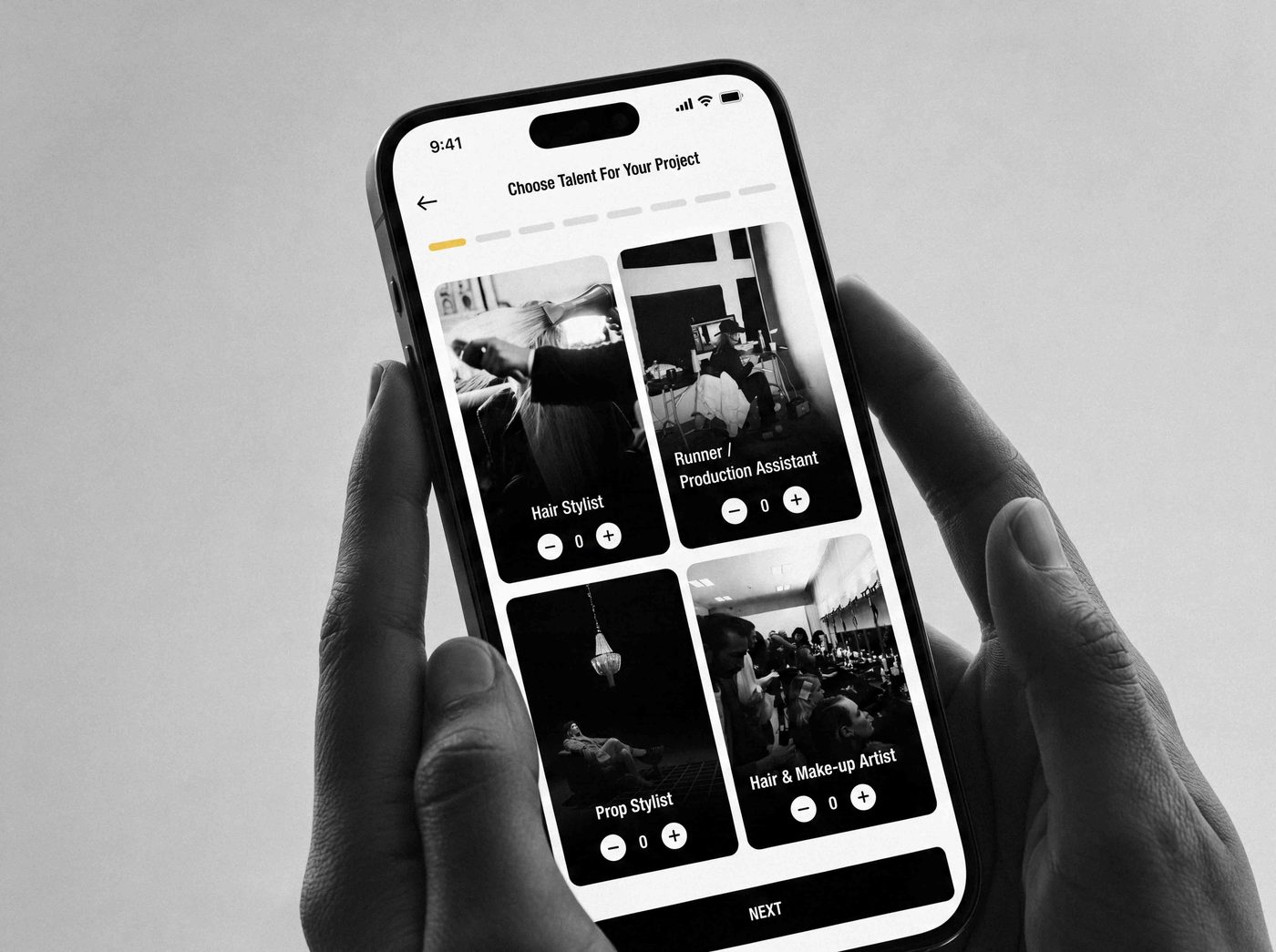
Post a job on the ANT Talent App and let approved talent come to you.
- Every profile approved by ANT
- Chat with talent in the app
- Payment held until the job is done

Free on iPhone
- 5.0on Google, 200+ reviews
- Since 2022modelling and talent agency
- Worldwideshoots, events and shows anywhere
- Licensed in Dubai. See our licence and booking terms