
Modest Fashion Models for Brands & Models: Use a Modesty Charter

Modest fashion models are professional models whose work and wardrobe prioritize full coverage and culturally informed styling, spanning hijab-wearing models, abaya specialists, and non-hijab talent who favor modest silhouettes. You find them on specialist agency rosters, mainstream agencies’ modest boards, and through influencer castings. The fastest route in is a direct search using terms like “modest models roster” or “hijab model agency,” or an inquiry through an agency such as ANT MANAGEMENT.
TL;DR:
- Modest fashion models are primarily recruited through specialized agencies, mainstream agency modest boards, and influencer platforms on Instagram and TikTok.
- Agencies assess modest talent based on a curated portfolio within the modest framework, with clear coverage boundaries and professional digitals.
- Different categories such as hijab, abaya, activewear, and occasionwear demand distinct styling skills and seasonal booking patterns, especially around cultural events.
- Effective briefs must specify coverage level, gender requirements, stylist needs, and usage rights upfront to prevent misconceptions and on-set discomfort.
- Agencies like ANT MANAGEMENT support modest models with dedicated training, portfolio guidance, and client coordination, facilitating sustainable careers in this niche.
Table of Contents
- Where to find modest fashion models and specialist rosters
- Types and specialisms in modest modeling
- How agencies represent modest models and what they look for
- How brands and casting directors should brief and hire modest fashion models
- Challenges and barriers faced by modest fashion models in the industry
- Cultural and religious considerations influencing modest fashion modeling
- Impact of modest fashion modeling on diversity and representation in fashion
- Career pathways and opportunities beyond traditional fashion modeling
- How ANT MANAGEMENT works with modest talent and brands
- ANT Management as your next step in modest fashion modeling
- Sources
- FAQ
Where to find modest fashion models and specialist rosters
Modest modeling talent lives across three overlapping ecosystems: dedicated modest-fashion agencies, mainstream agencies that maintain a modest or hijab-friendly board, and the creator economy on Instagram and TikTok, where influencers double as working models for e-commerce brands. Casting platforms and talent marketplaces sit alongside these, functioning as a fourth channel for shorter commercial bookings.
The practical move is to search with intent rather than browse blindly. Phrases like “join the roster,” “modest model application,” or “hijab-friendly casting” surface agency pages built for exactly this purpose. A roster page that lists categories by coverage level, region, and specialism (hijab, abaya, activewear) signals an agency actually built for this segment rather than one bolting a token board onto a generic roster.
Vetting matters as much as finding. A legitimate application flow asks for digitals, basic measurements, and a short bio, never a fee to “join,” and a real agency responds with next steps rather than an immediate contract. The modest fashion market is large enough to attract both serious operators and opportunistic ones, so the distinction is worth making early.
- Check whether the roster separates modest specialisms by category, not just gender and size.
- Look for a named contact or casting director rather than a generic form with no follow-up.
- Cross-reference the agency’s social presence against its roster to confirm the talent shown is actually represented, not scraped.
Types and specialisms in modest modeling
Modest modeling is not one lane. Hijab and hair-covered modeling covers the largest share of visible bookings, but abaya and occasionwear modeling, modest e-commerce and commercial work, modest activewear, and menswear or non-binary modest fashion each demand different skills and different castings.
Styling requirements shift with the category. Hijab styling calls for a model comfortable with pinning, draping, and camera angles that keep the wrap clean through movement, while activewear modeling asks for range of motion that still preserves coverage under studio lighting. Full-coverage fashion photography often needs slower shoot pacing and more setup between looks than a standard commercial shoot, since fabric volume changes how light and silhouette read on camera.
Demand signals point toward e-commerce and hijab accessories as the categories brands book most consistently, with occasionwear spiking around cultural and seasonal calendars. Vogue Arabia’s coverage of designers like Salma Tahri shows modest fashion functioning as authorship and cinematic styling rather than a restricted category, which is shifting how brands brief these shoots.
- Hijab and hair-covered modeling: the largest specialism, with styling as a core skill alongside posing.
- Abaya and occasionwear: seasonal demand tied to cultural calendars and formal events.
- Modest e-commerce and activewear: high booking volume, favoring models comfortable with movement and quick changes.
- Menswear and non-binary modest fashion: a smaller but growing lane as brands diversify modest lines.
How agencies represent modest models and what they look for
Agencies evaluate modest talent the way they evaluate any roster candidate, on presence, versatility, and bookability, with one addition: clarity about coverage boundaries from the first meeting. A 10 to 15 image portfolio that shows range within a modest framework matters more than volume, and digitals shot in consistent, unstyled light remain the industry standard for a first look.
The typical path into representation follows a familiar sequence:
- Submit digitals and a short bio through the agency’s application page, stating modest specialism where relevant.
- Attend or submit for an initial evaluation, sometimes in person, often by video for international applicants.
- Complete training if requested, covering runway walk, posing, and agency etiquette.
- Sign representation terms that include any modesty-related clauses.
- Begin receiving casting submissions matched to your category and market.
Runway and casting prep tends to include a structured checklist covering walk, timing, and presentation, and many agencies run internal training such as ANT Camp to standardize that preparation before a model faces a client casting.
A “modesty charter,” a contract clause giving the model veto power over specific garments, physical contact during fittings, and image usage, is common practice and should be negotiated before commercial terms are finalized, not after a booking is confirmed.
Pro Tip: Bring your modesty boundaries to the first agency meeting in writing, not as a verbal aside, so they become part of your file rather than a negotiation on set.
How brands and casting directors should brief and hire modest fashion models
A workable brief states coverage level explicitly (hijab, abaya, modest activewear, or general modest styling), names any gender-on-set requirements, and specifies whether a hijab stylist or modest-fashion stylist is needed for the shoot day. Usage rights should be defined at the brief stage, not renegotiated after wrap.
Casting priorities should include tangible evidence: a roster tag confirming modest specialism, a portfolio showing prior modest work, and, where relevant, engagement history as an influencer, since many modest models carry an audience that adds value beyond the shoot itself. Alfiya Karim Khan’s profile in Hindustan Times illustrates how creators reinterpret runway trends into full-coverage looks, a skill set worth casting for directly rather than assuming any model can improvise it.
On-set logistics deserve the same planning as the brief. Private fitting spaces, a hijab stylist role distinct from the general styling team, and a wardrobe continuity plan that accounts for pinning and draping between takes all reduce delay and discomfort on the day.
- Confirm coverage requirements and gender-on-set rules in writing before the call time is set.
- Book a dedicated hijab or modest stylist rather than assigning the task informally.
- Set usage rights and territory in the brief, not as a post-shoot addendum.
Pro Tip: Treat the modesty brief with the same specificity as a wardrobe continuity sheet: vague language on set costs time that a clear brief would have saved.
Red flags include agencies unwilling to confirm a model’s modest specialism in writing, or productions that treat coverage requirements as negotiable once the model has already arrived.
Challenges and barriers faced by modest fashion models in the industry
Modest models still work against a mainstream casting default that treats coverage as a niche request rather than a standard option, which narrows the number of bookings offered compared with conventional roster slots. Many face repeated explanation of basic needs, private changing space, appropriate stylists, modest swimwear or activewear options, on sets not built with those categories in mind.
Career longevity is another pressure point. Editorial work remains comparatively scarce next to commercial and e-commerce bookings, which limits the portfolio variety needed to move from commercial talent into higher-profile campaign work. Mariah Idrissi’s visibility after H&M’s 2015 campaign remains one of the few widely cited breakthroughs into mainstream editorial for a hijab-wearing model, and that scarcity of comparable case studies is itself a barrier for models trying to plan a career path.
There is also the friction of representation without full understanding: brands sometimes cast a modest model for optics without briefing stylists or photographers on coverage, leaving the model to negotiate boundaries mid-shoot rather than beforehand. That gap between intention and execution is where most on-set discomfort originates, and it is largely preventable with the briefing discipline covered earlier.
Cultural and religious considerations influencing modest fashion modeling
Modesty in fashion draws from a range of cultural and religious frameworks, not a single standard, and models, stylists, and casting teams benefit from treating it that way rather than applying one aesthetic across every booking. Hijab styling for a Muslim model, for instance, involves specific draping and pinning conventions that differ by region and personal practice, and a stylist unfamiliar with those conventions can misrepresent the look entirely.

Coverage expectations also vary by context: what counts as modest for a commercial e-commerce shoot may differ from what is appropriate for occasionwear tied to a religious or cultural calendar. Respecting that distinction means asking rather than assuming, and building briefs around the individual model’s practice rather than a generic template.
Consent and comfort intersect with these considerations directly. A model’s boundaries around touch, particularly during hijab adjustments or fittings, are often rooted in religious practice, which is why the modesty charter discussed earlier functions as more than a legal formality. It is a working document that lets cultural and religious considerations sit inside the contract rather than being negotiated informally on the day.
Impact of modest fashion modeling on diversity and representation in fashion
Modest fashion modeling has widened who gets to be visible in mainstream campaigns, moving representation beyond a narrow body-and-coverage standard toward something closer to the range of how people actually dress. Idrissi’s early visibility in a global campaign is often cited as a turning point precisely because it made hijab-wearing models commercially viable to brands that had not previously cast that way.
The modest fashion market’s scale has reinforced that shift commercially: when apparel and e-commerce categories built around modest style attract sustained demand, casting modest models stops being a gesture and becomes a business decision. That reframing matters because representation driven by commercial logic tends to be more durable than representation driven by a single campaign cycle.
Plus-size modest fashion sits inside this same widening lens, since coverage and body diversity are frequently cast together rather than treated as separate boxes. The net effect across categories, hijab, abaya, plus-size, activewear, is a fashion industry slowly recalibrating its default image of who a model is, with modest talent acting as one of the clearest visible markers of that change.
Career pathways and opportunities beyond traditional fashion modeling
Modest fashion modeling increasingly functions as a launchpad rather than an endpoint. Brand ambassadorship is a natural extension for models who already carry an audience, since brands courting modest consumers value a face that can speak credibly to that audience beyond a single shoot.
Social media influencing has become the most visible parallel career path. Alfiya Karim Khan’s work reinterpreting runway trends into full-coverage looks shows how a model with a strong personal style point of view can build a following that outlasts any single campaign, turning modeling work into content that keeps generating bookings.
Other pathways include styling and creative direction for modest lines, consulting for brands entering the modest category without in-house expertise, and training or mentoring newer models entering the space. Each of these draws directly on the same skills, coverage-aware styling, cultural fluency, camera comfort under different fabric volumes, that make someone bookable as a modest model in the first place, which is part of why the transition tends to feel natural rather than like starting over.
How ANT MANAGEMENT works with modest talent and brands
Some agencies represent fashion and commercial talent, influencers, and creatives through a curation process built around long-term fit rather than a single booking, integrating modest specialism within that framework rather than as a separate track. Services relevant to this space include talent booking, talent selection and briefing support, portfolio development, and training through ANT Camp, which prepares models for runway and casting expectations before they reach a client.
For brands, coordinating the details a respectful modest shoot depends on can include roster curation matched to coverage requirements, on-set protocol discussions ahead of call time, and client communication that keeps wardrobe and stylist needs part of the brief rather than an afterthought.
- Talent curation and booking across fashion, commercial, and influencer categories, including modest specialisms.
- Portfolio and digitals guidance for models preparing to enter representation.
- Training covering runway walk, agency etiquette, and casting readiness.
- Client-side coordination for briefing, on-set logistics, and modesty-related requirements.
An agency’s positioning may rest on holistic support, curation, training, and coordination together, rather than booking alone, which can be a key consideration for those weighing representation options in this category.
— ANT
ANT Management as your next step in modest fashion modeling
Aspiring models entering the modest fashion category get more mileage from an agency built around curation and training than from cold-applying to rosters one by one, and that is precisely the gap ANT MANAGEMENT fills. The agency’s approach pairs talent booking with portfolio development and runway preparation through ANT Camp, so a model arrives at casting already matched to the categories, hijab, abaya, e-commerce, activewear, where demand is strongest.
Brands looking to cast respectfully and efficiently find the same value from the other direction. Model booking through ANT MANAGEMENT comes with talent selection, coordination, and briefing support built in, which means coverage requirements, stylist needs, and usage rights get handled as part of the process rather than negotiated on set. Whether the need is a single campaign or an ongoing roster relationship, the practical next step is the same: submit your digitals or brief through Antmgmt and start the conversation from there.
Sources
For market context, the modest fashion market report covers segment growth and e-commerce dominance. For notable profiles, see Mariah Idrissi’s Wikipedia entry, Vogue Arabia on Salma Tahri, and Hindustan Times on Alfiya Karim Khan. For portfolio setup, see Charles Creative’s guide to portfolio websites and Verified’s list of trusted portfolio platforms.
- Mariah Idrissi — Wikipedia
- Salma Tahri — Vogue Arabia
- Modest Fashion Market Research Report 2034 — MarketIntelo
- Meet Indian influencer Alfiya Karim Khan — Hindustan Times
FAQ
Who are some famous modest clothing influencers?
Alfiya Karim Khan has built recognition for reinterpreting runway trends into full-coverage looks, as profiled by Hindustan Times. Mariah Idrissi remains one of the most cited early figures for bringing hijab-wearing modeling into mainstream campaigns, following her role in H&M’s 2015 campaign.
Who are some of the most prominent modest fashion faces in the Arab world right now?
Designers and creators covered by Vogue Arabia, including Salma Tahri, are shaping how modest fashion is styled and photographed across the region. Rather than a single ranking, the space includes designers, models, and stylists working together on increasingly cinematic modest editorials.
Do people respond positively to modestly dressed models and influencers?
Public reception varies by market and platform, but the sustained commercial growth of the modest fashion market suggests strong and growing consumer demand for modest style. Brands entering the category are responding to that demand rather than treating it as a niche experiment.
Which celebrities are known for dressing modestly?
Coverage tends to focus on models, designers, and influencers rather than mainstream celebrities, with figures like Mariah Idrissi and creators such as Alfiya Karim Khan cited most often for consistently modest public styling. Their visibility has helped normalize modest dressing in campaigns that once defaulted to non-modest casting exclusively.
How do I start a career as a modest fashion model?
Build a focused portfolio of 10 to 15 images, apply through an agency’s roster page stating your modest specialism, and expect an evaluation step before representation is offered. Agencies such as ANT MANAGEMENT also offer training programs like ANT Camp to prepare new models for runway and casting before their first booking.
Recommended
Planning a shoot in Kuwait?
Prefer to book on your phone?
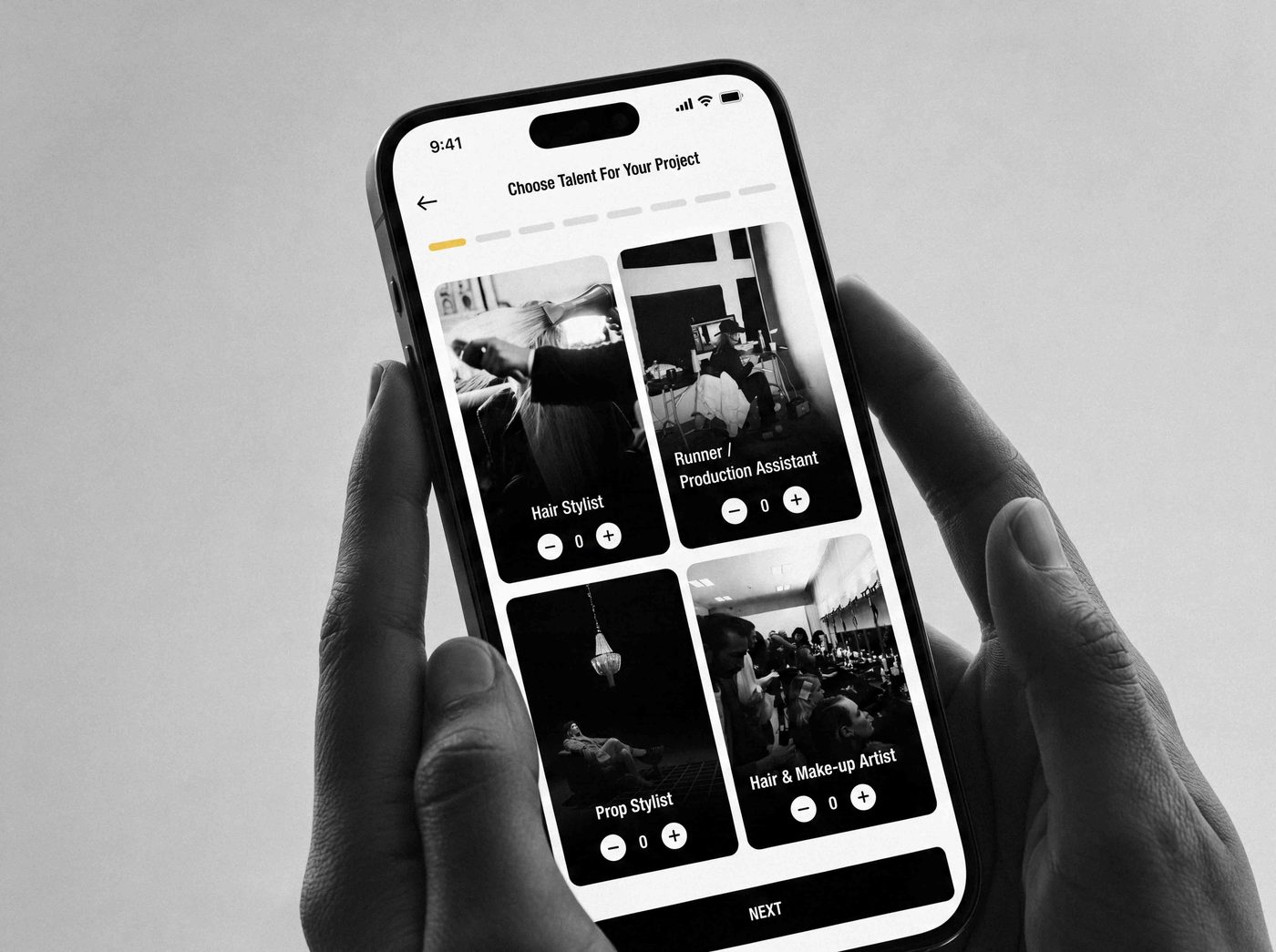
Post a job on the ANT Talent App and let approved talent come to you.
- Every profile approved by ANT
- Chat with talent in the app
- Payment held until the job is done

Free on iPhone
- 5.0on Google, 200+ reviews
- Since 2022modelling and talent agency
- Worldwideshoots, events and shows anywhere
- Licensed in Dubai. See our licence and booking terms