
DOP vs Videographer: Who to Hire for Your Shoot

A DOP (director of photography) designs the look of a production and leads the camera, lighting and grip crew. A videographer captures footage, usually alone or with a very small team, and often handles sound, basic lighting and editing too. If your project needs a visual language built in advance, hire a DOP. If it needs reliable coverage of a real event, an interview or a straightforward piece of content, hire a videographer. Many campaigns need both, at different moments.
The confusion comes from vocabulary. DOP, DP and cinematographer name the same job in most professional settings, while “videographer” describes a different scale of work. What follows separates the titles, shows where authority and responsibility sit, and gives you a practical way to brief the right person.
TL;DR
- DOP, DP and cinematographer are interchangeable titles for the person who owns the photographic look of a production.
- A videographer is typically a one-person or small-crew operator who films, records sound, lights simply and often edits.
- Choose by scope: planning time, crew size, artistic direction and how much of the day is controlled versus unpredictable.
- A DOP works with the director and leads other camera operators. A videographer usually works directly with you.
- ANT Management books creatives, videographers and full production crews for shoots in Dubai, the GCC and anywhere in the world.
Table of Contents
- What DOP and DP actually mean
- DOP vs cinematographer: one job, two names
- What a videographer does
- DOP vs videographer: the practical differences
- Where authority and responsibility sit
- DOP vs camera operator
- When to hire a videographer, a DOP, or both
- How to brief the person you hire
- Common mistakes when hiring camera talent
- Perspective
- Book camera and crew through one agency
- FAQ
- Sources
- Two ways to book
What DOP and DP actually mean
DOP and DP both stand for Director of Photography. ScreenSkills lists DoP, DP and cinematographer as alternative titles for one role and describes it as responsible for the photographic heart of a production. IATSE Local 849 defines DOP/DP the same way and assigns the project’s photographic look to this person, from lighting to lenses.
The spelling varies by region. “DoP” and “DOP” are common in the UK, Canada and across international productions. “DP” is the usual shorthand on American sets and call sheets. Treat them as one title when you read a crew list or a rate card.
The word “director” misleads people. A DOP does not direct the film. The California Film Commission’s industry terminology guide keeps the hierarchy clear: the director holds overall creative responsibility, the DP shapes the photographic execution, and the camera operator physically runs the camera under that direction.
DOP vs cinematographer: one job, two names
The International Cinematographers Guild states that the Director of Photography is also known as the DOP or cinematographer. The California Film Commission’s terminology list likewise gives cinematographer as another term for director of photography.
Some working professionals draw a soft line. “Cinematographer” is used when the conversation is about artistry and the finished image, and “DP” when it is about the job on a call sheet. That is a habit of speech, not a difference in rank. When you brief someone, either title tells them you expect a person who plans lighting, lenses, composition and movement, not only someone who presses record.
The City of Toronto’s production-role guide describes the DP or cinematographer as responsible for the overall look of the production, working with the director on mood and feel and leading the camera, lighting and grip teams. Leading teams is the key phrase for you as a client: a DOP is a department head, so you are hiring a crew architect as well as an eye.
What a videographer does
A videographer typically captures events, interviews and other smaller productions, often as a one-person or small crew. According to Adobe’s comparison guide, videographers commonly operate cameras, manage lighting and capture sound, frequently in conditions that are less predictable and less heavily planned. Indeed’s career guide adds setting up microphones, editing footage and working with clients at events to the list.
That self-contained workflow is a strength. A videographer moves quickly through a conference floor, a product launch, a runway backstage or a founder interview, and delivers an edited piece without a department behind them. For a hospitality brand that needs same-week social content, that rhythm is exactly right.
What a videographer is not hired for is the architecture of a high-end commercial: the lighting plan, lens choices, camera movement and color intent that sit behind a polished brand film. That is the DOP’s territory.
DOP vs videographer: the practical differences
| Factor | DOP / DP / cinematographer | Videographer |
|---|---|---|
| Core job | Shapes the visual language: lighting, lenses, composition, movement, exposure | Captures footage and delivers a finished video |
| Typical scale | Commercials, films, series, multi-camera shoots | Events, interviews, training and social content |
| Team | Leads camera, lighting and grip crews | Often alone or with one assistant |
| Works with | The director, gaffer, camera operators and colorist | The client directly |
| Planning | Reads the script, scouts, plans kit and crew | Light planning, adapts on the day |
| Post-production | Reviews dailies and color grading | Often edits the footage personally |
| Best for | Controlled, designed, high-finish work | Fast, real-time, cost-efficient capture |
The descriptions above follow the research from ScreenSkills and Adobe. The table is a guide to typical practice, and individual professionals often cross over.
Where authority and responsibility sit
Creative authority
The DOP translates a director’s intention into images. ScreenSkills says the DoP reads the screenplay, discusses the look and feel with the director, researches lighting, framing and camera movement and determines the kit and crew required. A videographer rarely has a director above them. On a small job, you or your producer are effectively the director, and the videographer interprets your brief.
Technical work
The California Film Commission defines the DP as responsible for cameras and associated hardware, lighting supervision, camera positions, exposure, focus, composition, filters and collaboration with the director. The International Cinematographers Guild adds visual style and equipment selection, including cameras, lenses, filters, lights and camera platforms.
Crew leadership
In its skills checklist, ScreenSkills says the DoP selects key camera and grip personnel, checks camera specifications, plans lighting with the gaffer, takes part in production meetings, supervises the camera crew and monitors exposure. This is why a DOP changes your budget structure: you are not paying for one pair of hands, you are paying for the person who decides how many hands the image needs.
Across the production timeline
ScreenSkills places the DoP in pre-production planning, in blocking and lighting coordination on set, in rushes review, and in post-production work with the colorist. Adobe describes the same arc: creative direction and crew plans first, supervised visual execution on the shoot, then review of color grading and palette. A videographer’s involvement is usually shorter, concentrated around the shoot and the edit.
DOP vs camera operator
Searchers often ask a neighboring question: how a DOP differs from a camera operator. The operator physically handles the camera and executes movement, framing and focus under the DP’s direction. On a larger set, the DOP may not touch the camera at all and instead lights the scene, approves the frame and guides the operator. A videographer, by contrast, is the operator, the sound recordist and frequently the editor in one person.

If your brief lists several cameras, a moving rig, a gimbal and a lighting plan, a DOP is the person who keeps those elements coherent. For a clear division of responsibilities across a screen crew, this production checklist for crews is a handy companion when you assemble the call sheet.
When to hire a videographer, a DOP, or both
Adobe names four practical factors for choosing between videography and cinematography: project size and scope, team size, time available for pre-shoot planning, and the need for artistic direction. Use them as four questions.
- How large is the project? One location and one deliverable points toward a videographer. Several locations, talent, wardrobe and a hero film point toward a DOP.
- How big is the team? If a director, producer, stylist and talent are all on set, someone must own the image. That is the DOP.
- How much planning time exists? A week allows a videographer to prepare. A DOP expects scouting, a shot list and a lighting plan, which is why a campaign production timeline should place the DOP early.
- Does the image need a distinct look? If the film must feel like your brand and nobody else’s, you need creative control of light and lens.
Choose a videographer for
- Corporate events, panels, launches and activations where moments cannot be repeated.
- Interviews, testimonials and training content.
- Behind-the-scenes coverage for a larger shoot.
- Social clips that need quick delivery, including vertical and horizontal formats from one shoot.
Choose a DOP for
- Brand films, commercials and fashion films.
- Multi-camera or moving-camera productions.
- Projects with talent, styling, set design and a director.
- Anything where the color and light must match across a campaign.
Hire both when
A campaign often has a hero film and a cloud of supporting content. The DOP builds the hero film. A videographer collects event coverage, behind-the-scenes material and quick cutdowns. Briefing them together keeps the language consistent and prevents duplicated kit and time.
How to brief the person you hire
A strong brief saves more money than negotiating a day rate. Send the same core information to a DOP or a videographer, then add the extras each needs.
- Deliverables: the films, aspect ratios, lengths and where they will run.
- References: three to five images or films that show the look you want.
- Locations and permits: addresses, access times and any restrictions.
- Talent and wardrobe: who is on camera, and the call times. A talent coordination checklist helps align this from brief to final payment.
- Shot list: even a loose one. See these shot list examples for film, video and photography.
- Post-production plan: who edits, who grades, and who approves.
For a DOP, add the director’s treatment, scouting dates and a request for a kit list. For a videographer, add the editing expectations and the delivery deadline. If your shoot also needs stills, a photography brief with nine clear points stops reshoots, and a photoshoot production checklist aligns the on-set flow. For the wider team beyond the camera, every production crew role is mapped in one place.
Common mistakes when hiring camera talent
Hiring a videographer to deliver a film. The footage may be sharp, but without lighting design and lens planning, a branded film can read as documentation instead of direction.
Hiring a DOP for a simple event. A full camera department is unnecessary when the job is coverage of a talk, and the unpredictable pace suits a nimble operator better.
Skipping the conversation between director and DOP. The DOP’s value comes from the shared look. Schedule a pre-production call before anyone books kit.
Forgetting the rest of the frame. Light, lens and location only work when talent, wardrobe and set serve them. Styling matters, and what a stylist does on a shoot is worth reading before you finalize your crew.

Underestimating action. If the film includes stunts, bring in a coordinator early. These are the stunt coordinator requirements to demand before you sign.
Perspective
Every production we staff begins with the same question: who owns the image? Where a brand wants an editorial sensibility, light shaped with intent and movement composed like choreography, the answer is a director of photography with a crew built around them. Where it wants immediacy and a clean, finished edit, the answer is a videographer who can move with the moment.
Because we book models, kids, actors, stunt performers, stylists, photographers, videographers and full production crews through one agency, we see how the camera role changes everything in front of it. Talent performs differently under a considered lighting plan. Wardrobe reads differently when a DOP has chosen the lens. Our clients benefit when the camera team, the talent and the logistics are briefed together instead of in separate conversations.
We work on shoots, events and shows in Dubai, across the GCC and anywhere in the world, and we would rather help you define the right camera role at the start than repair it on set.
ANT
Book camera and crew through one agency
ANT Management books creatives and full production crews for brands, agencies, producers and event companies, alongside models, actors, influencers and stunt performers. Send a brief and you get a shortlist of available talent within an hour in working hours. Prefer to book directly? Post a job on the ANT Talent App and book vetted talent in minutes, with verified profiles and escrow-protected payment processed by Stripe, across the UAE, Kuwait, Qatar and Saudi Arabia. Current prices are shown in the app.
Clients who prefer a managed service can book through ANT Management directly at info@antmgmt.com. See our booking terms for overtime, cancellation and payment conditions.
FAQ
Is a DOP the same as a cinematographer?
In practice, yes. The International Cinematographers Guild says the Director of Photography is also known as the DOP or cinematographer, and the California Film Commission lists the terms as equivalent. Some people use “cinematographer” when emphasizing artistry, but the job is the same.
Is a cinematographer the same as a videographer?
Not quite. A cinematographer plans and controls the visual language of a production, usually with a director and a larger crew. A videographer typically captures events, interviews or smaller productions as a one-person or small team, often handling sound and editing too.
What does DOP stand for in filmmaking?
DOP stands for Director of Photography. DP means the same thing, and ScreenSkills lists both alongside cinematographer as alternative titles. The role is responsible for the photographic look of a production, from lighting to lenses.
Do I need both a DOP and a videographer?
Only if your project has both a designed hero piece and supporting, real-time content. A brand film with a director, talent and a lighting plan needs a DOP. Event coverage and behind-the-scenes material suit a videographer. Briefing both together keeps the look consistent.
Sources
- ScreenSkills: Director of photography (DoP) job profile
- ScreenSkills: Director of photography skills
- IATSE Local 849: Acronyms and glossary
- International Cinematographers Guild: Category overviews
- City of Toronto: Production roles
- California Film Commission: Film industry terminology
- Adobe: Videography vs. cinematography
- Indeed: Videographer vs cinematographer
Two ways to book
- Send a booking request to ANT Management.
- Post a job on the ANT Talent App and book vetted models, actors, influencers and creatives in Dubai in minutes, with escrow-protected payment.
Recommended
Planning a shoot in Qatar?
Prefer to book on your phone?
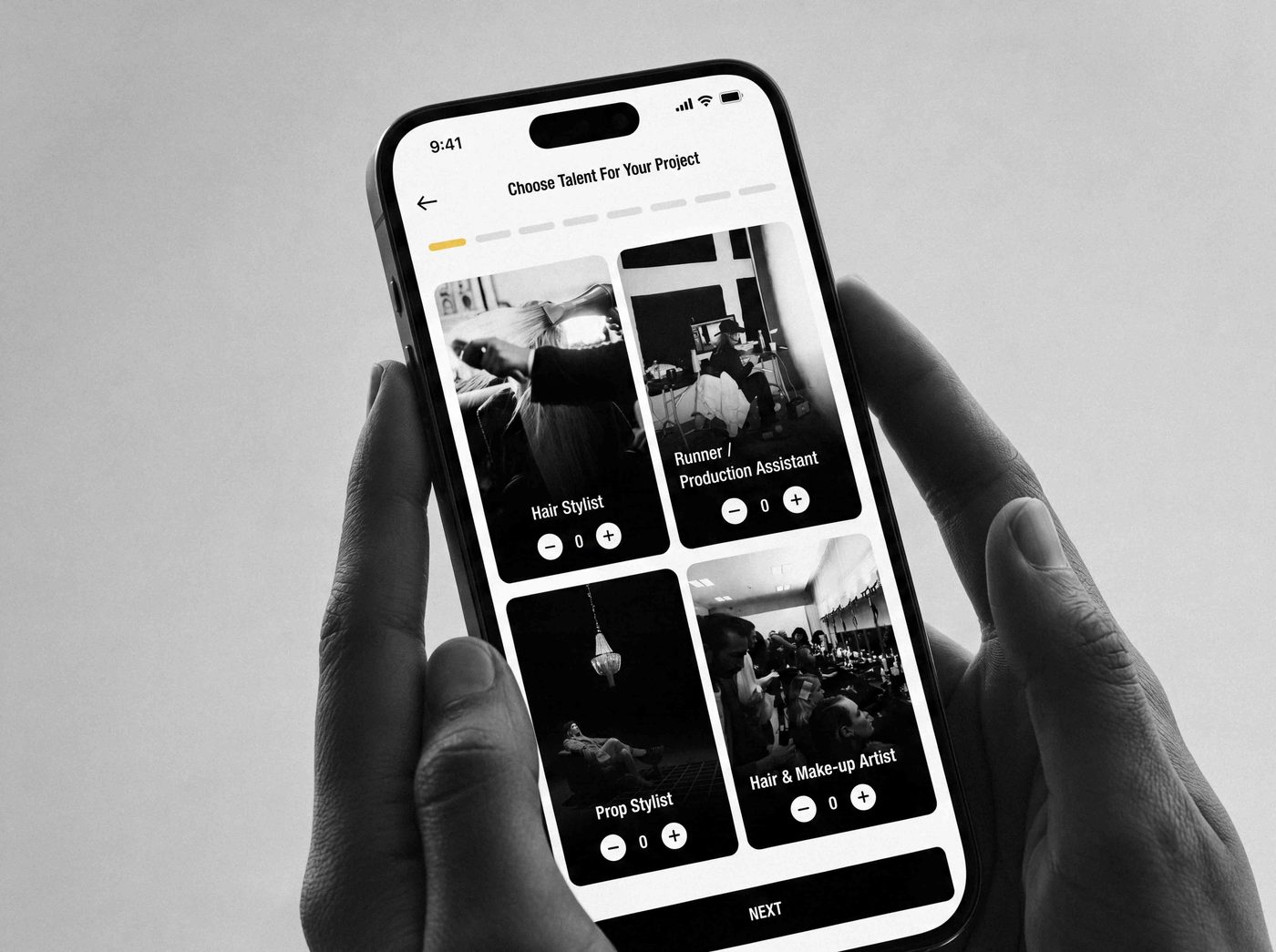
Post a job on the ANT Talent App and let approved talent come to you.
- Every profile approved by ANT
- Chat with talent in the app
- Payment held until the job is done

Free on iPhone
- 5.0on Google, 200+ reviews
- Since 2022modelling and talent agency
- Worldwideshoots, events and shows anywhere
- Licensed in Dubai. See our licence and booking terms